Why Does My Child Have “Double Teeth”? Understanding Double Rows of Teeth in Kids
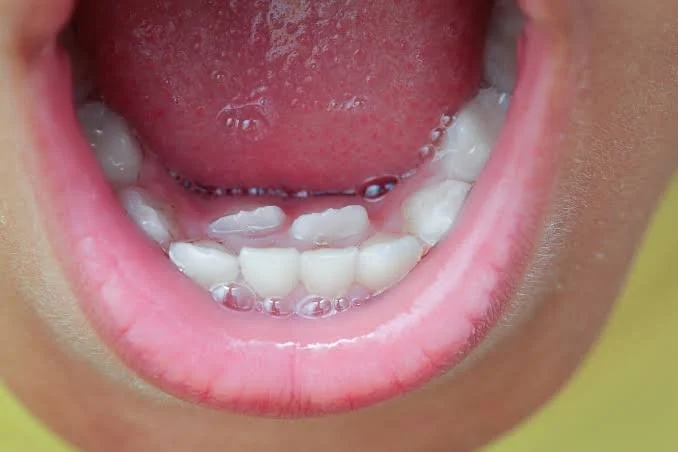
As a parent, noticing what looks like two rows of teeth in your child’s mouth can be surprising—and maybe even a little alarming. You may wonder, “Is something wrong?” or “Why is my child’s permanent tooth growing behind the baby tooth?”
The good news is that this is a relatively common occurrence in children. These extra-looking rows of teeth are often called “shark teeth” because of their resemblance to the multiple rows of teeth found in sharks.
But why does this happen, and when should you contact a pediatric dentist?
What Are “Double Teeth” in Children?
“Double teeth” is a term parents often use when they see a permanent tooth growing behind or in front of a baby tooth before the baby tooth has fallen out.
Normally, baby teeth become loose as the permanent teeth develop underneath them. The roots of the baby tooth gradually dissolve, allowing it to fall out and make room for the permanent tooth.
Sometimes, however, the permanent tooth doesn’t emerge directly underneath the baby tooth. Instead, it may come in slightly behind it, creating the appearance of two rows of teeth.
This is particularly common with the lower front teeth, although it can happen in other areas of the mouth as well.
Why Do “Shark Teeth” Happen?
There are several reasons a child may develop a double row of teeth.
1. The permanent tooth is growing in a different position
Permanent teeth don't always follow a perfectly straight path as they erupt. If a permanent tooth develops slightly behind the baby tooth, it may become visible before the baby tooth has fallen out.
2. The baby tooth isn't loose enough yet
Sometimes the baby tooth simply hasn't lost enough of its root to fall out naturally. Meanwhile, the permanent tooth continues moving toward its final position.
3. Crowding can affect tooth eruption
Children with limited space in their mouths may be more likely to have permanent teeth emerge in unusual positions. Dental crowding can affect how and where new teeth erupt.
Are Double Teeth Normal?
In many cases, yes!
Seeing a permanent tooth behind a baby tooth can look unusual, but it doesn't automatically mean there is a serious dental problem. In many children, the baby tooth eventually becomes loose and falls out, and the permanent tooth gradually moves toward the correct position.
However, every child's mouth is different. A pediatric dentist can determine whether the tooth is erupting normally or whether intervention may be necessary.
What Should Parents Do If They See Two Rows of Teeth?
First, don't panic—and don't try to pull the baby tooth out yourself.
If the baby tooth is already very loose, your child may naturally wiggle it out over time. Encourage normal brushing and good oral hygiene around both teeth.
If the baby tooth isn't becoming loose, the permanent tooth continues to grow in, or your child is experiencing pain or discomfort, it's a good idea to schedule an appointment with a children's dentist.
A pediatric dentist can examine your child's teeth and determine whether simply monitoring the situation is appropriate or whether the baby tooth needs to be removed.
When Should You Call a Pediatric Dentist?
Contact your child's dentist if you notice:
A permanent tooth has erupted but the baby tooth is still firmly in place
Your child has pain, swelling, or significant discomfort
The permanent tooth appears severely crooked or out of position
Your child has difficulty biting or chewing
The gums around the tooth look swollen or irritated
You're concerned about crowding or the development of your child's permanent teeth
The situation doesn't seem to be improving as the baby tooth becomes loose
When it comes to children's dental health, it's always better to ask a professional if you're unsure.
Can Double Teeth Cause Problems?
Most cases don't result in serious problems, especially when the baby tooth eventually falls out on its own.
However, if the baby tooth remains in place for too long, it can sometimes affect the position of the permanent tooth. Depending on the child's age, tooth position, available space, and stage of dental development, a dentist may recommend monitoring the tooth or removing the baby tooth.
Early evaluation can help your child's dentist identify potential orthodontic or dental development concerns before they become more complicated.
Should I Pull My Child's Baby Tooth Out?
It can be tempting to help when you see a permanent tooth growing behind a baby tooth, but don't force the baby tooth out.
If the tooth is naturally loose, your child can gently wiggle it with their tongue or clean fingers. If it isn't loose, your pediatric dentist can determine whether it is ready to come out.
Trying to remove a firmly attached tooth at home can cause unnecessary pain, bleeding, or injury to the surrounding gums.
Helping Your Child Maintain Good Oral Hygiene
When children have two teeth occupying the same area, brushing can sometimes be more challenging. Food and plaque can become trapped around the teeth, making good oral hygiene especially important.
Encourage your child to:
Brush twice a day with fluoride toothpaste
Brush gently around both the baby and permanent teeth
Floss between teeth where possible
Maintain regular dental checkups
Drink plenty of water
Limit sugary snacks and drinks
Good oral hygiene during the transition from baby teeth to permanent teeth can help establish healthy habits that last into adulthood.
What Happens at a Pediatric Dental Visit?
If you're concerned about your child's double teeth, a pediatric dentist will typically examine the teeth and gums and evaluate how the permanent tooth is developing.
Depending on what they see, the dentist may recommend simply watching the tooth for a while. In other situations, an X-ray may be useful to understand the position of the developing permanent teeth and determine whether additional treatment is needed.
The goal is always to support healthy tooth development while avoiding unnecessary treatment.
Double Teeth: When in Doubt, Have Them Checked
Seeing a permanent tooth appear behind a baby tooth can definitely catch a parent's attention. But in many cases, “shark teeth” are simply part of the normal process of losing baby teeth and developing permanent teeth.
If you're unsure whether your child's double row of teeth is normal, a pediatric dentist can give you peace of mind and make sure your child's teeth are developing properly.
For families looking for kids dentistry in Paradise Valley, AZ, regular dental visits are an important part of monitoring your child's oral development—from their first baby teeth through the arrival of their permanent smile.
Remember: every child's dental development is unique. If something in your child's mouth looks unusual, don't hesitate to ask your children's dentist. A quick evaluation can help you understand what's happening and whether any treatment is necessary.
Frequently Asked Questions About Double Teeth in Children
Are double teeth normal in children?
Often, yes. A permanent tooth may erupt behind a baby tooth before the baby tooth falls out. This is commonly known as “shark teeth.”
Should I be worried if my child's permanent tooth is growing behind a baby tooth?
Usually, there is no reason to panic. However, if the baby tooth isn't becoming loose or the permanent tooth appears significantly out of position, your child should be evaluated by a pediatric dentist.
Will the permanent tooth move into the correct position?
In many cases, the permanent tooth naturally moves forward after the baby tooth falls out. Your child's dentist can monitor its development and determine whether additional treatment is needed.
Can I pull out my child's baby tooth?
If it is naturally very loose, it may fall out on its own. Avoid forcing a tooth that isn't ready to come out. Your pediatric dentist can advise you if removal is necessary.
What are shark teeth in children?
“Shark teeth” is a friendly nickname for a situation where a permanent tooth erupts behind a baby tooth, creating the appearance of two rows of teeth.
When should my child see a pediatric dentist?
Children should have regular dental checkups, and parents should contact their dentist whenever they notice something unusual, such as persistent double teeth, pain, swelling, or difficulty eating.
SEO Keywords: double teeth in children, double row of teeth, shark teeth in kids, permanent tooth growing behind baby tooth, baby tooth not falling out, children's dentist, pediatric dentist, kids dentistry, children's dental health, permanent teeth eruption, baby teeth, tooth eruption, pediatric dentistry Paradise Valley AZ, kids dentist Paradise Valley AZ.
