Manual vs. Electric Toothbrushes for Kids: Which One Really Cleans Better? | Kids Dentistry in Paradise Valley, AZ
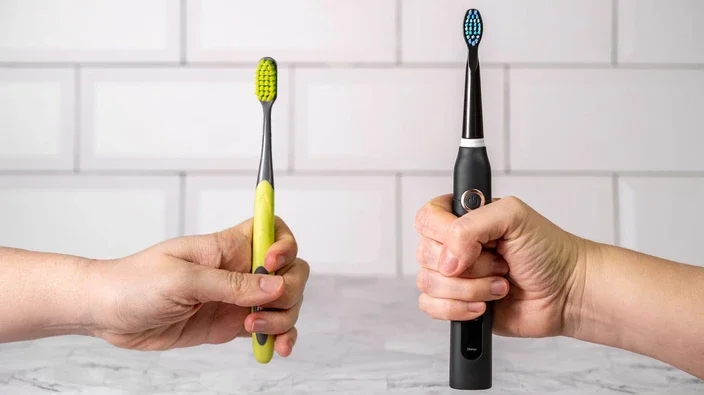
Walk into any store and you'll find dozens of toothbrushes designed for children. Some have colorful characters, some play music, and others promise advanced cleaning technology. With so many choices, deciding which toothbrush is best for your child can feel surprisingly complicated.
When it comes to helping your child brush their teeth, you may have wondered: Is a manual toothbrush enough, or should I buy an electric toothbrush?
Walk into any store and you'll find dozens of toothbrushes designed for children. Some have colorful characters, some play music, and others promise advanced cleaning technology. With so many choices, deciding which toothbrush is best for your child can feel surprisingly complicated.
The good news? Both manual and electric toothbrushes can be effective when used correctly. The most important thing is that your child brushes thoroughly, twice a day, using fluoride toothpaste and the right technique.
So, which toothbrush should parents choose?
Let's compare manual and electric toothbrushes and look at what parents should consider when choosing the best toothbrush for their child's smile.
Manual vs. Electric Toothbrushes: What's the Difference?
A manual toothbrush requires your child to move the brush back and forth across their teeth and gums.
An electric toothbrush, on the other hand, uses a motor to move the bristles automatically. Depending on the model, the brush head may rotate, oscillate, or vibrate.
Both types can remove plaque and help prevent cavities when used properly.
The biggest difference isn't necessarily the toothbrush itself—it's how effectively your child uses it.
Are Electric Toothbrushes Better for Kids?
Some research suggests that certain powered toothbrushes can be more effective at removing plaque and reducing gingivitis than manual toothbrushes. However, that doesn't mean every child needs an electric toothbrush.
Electric toothbrushes can be particularly helpful for children who:
Have difficulty using proper brushing technique
Brush too quickly
Don't reach all areas of their mouth
Have orthodontic appliances such as braces
Find brushing boring
Need additional motivation to brush regularly
Have limited dexterity
Some electric toothbrushes also include built-in timers, which can help children brush for the recommended amount of time.
For a child who struggles to brush thoroughly with a manual toothbrush, an electric toothbrush may be a useful tool.
What Are the Benefits of a Manual Toothbrush?
Don't underestimate the humble manual toothbrush!
A manual toothbrush can be an excellent choice for children and has several advantages.
They're Affordable
Manual toothbrushes are inexpensive and easy to replace regularly.
They're Easy to Travel With
No batteries, charging stations, or extra accessories are necessary. Just put the toothbrush in your child's travel bag and go.
They Come in Many Child-Friendly Designs
Colorful handles, fun characters, and small brush heads can make brushing more appealing to younger children.
They Teach Brushing Skills
Using a manual toothbrush can help children learn how to control the brush and develop good brushing habits.
When paired with proper technique and parental supervision, a manual toothbrush can provide excellent cleaning.
What Should Parents Look for in a Children's Toothbrush?
Whether you choose manual or electric, there are several features worth looking for.
Soft Bristles
Soft-bristled toothbrushes are generally recommended for children. Hard bristles aren't necessary to remove plaque and may irritate the gums if a child brushes too aggressively.
Small Brush Head
A smaller head can make it easier for children to reach the back teeth and other hard-to-reach areas.
Comfortable Handle
The toothbrush should be easy for your child to hold and control.
Age-Appropriate Design
Choose a toothbrush designed for your child's age group. Manufacturers often provide age recommendations based on the size of the brush head and handle.
What About Electric Toothbrushes With Timers?
One of the biggest advantages of an electric toothbrush for children is the built-in timer.
Kids are often eager to finish brushing as quickly as possible. A timer can encourage them to brush for the full recommended two minutes.
Some children's electric toothbrushes even divide brushing time into sections, encouraging kids to spend equal time cleaning different areas of the mouth.
For parents who constantly hear, "I'm done!" after 30 seconds, this can be a very helpful feature!
Can Electric Toothbrushes Damage Children's Teeth?
An electric toothbrush isn't automatically safer than a manual toothbrush.
The key is using it correctly.
Children should avoid pressing the brush aggressively against their teeth and gums. Many modern electric toothbrushes have pressure sensors that alert users when they're brushing too hard, which can be a useful feature for older children.
Parents should also supervise younger children to make sure they're using the toothbrush appropriately.
Remember: more pressure doesn't mean cleaner teeth.
Gentle, consistent brushing is what matters.
Should Young Children Use an Electric Toothbrush?
It depends on the child.
Some young children love the vibration and excitement of an electric toothbrush. Others may dislike the sound or sensation.
If your child enjoys using an electric toothbrush and can handle it safely, it can be a great option. If your child prefers a manual toothbrush, that's perfectly fine too.
For younger children, parents should generally help with brushing to ensure all tooth surfaces are cleaned effectively.
As children grow, they can gradually take more responsibility for their own oral hygiene.
What About Kids With Braces?
Orthodontic treatment can make brushing more challenging because food and plaque can become trapped around brackets and wires.
An electric toothbrush may make it easier for some children to clean around braces, but a manual toothbrush can work just as well when used correctly.
Children with braces may also benefit from additional cleaning tools recommended by their dentist or orthodontist, such as interdental brushes or specialized flossing tools.
The goal is to keep plaque from accumulating around the orthodontic appliances.
The Most Important Toothbrush Is the One Your Child Will Actually Use
Here's the biggest takeaway for parents:
The best toothbrush is the one your child will use consistently and correctly.
An expensive electric toothbrush won't help much if it sits in a bathroom drawer.
Likewise, a simple manual toothbrush can do an excellent job when your child uses proper technique and brushes consistently.
If an electric toothbrush makes brushing more fun and helps your child brush for longer, that's a significant benefit.
If your child enjoys their manual toothbrush and does a thorough job, there's no urgent reason to switch.
Don't Forget the Toothpaste!
The toothbrush is only part of the equation.
For children who are old enough to use fluoride toothpaste, parents should follow age-appropriate recommendations from their child's dentist regarding the amount of toothpaste to use.
Fluoride helps strengthen tooth enamel and plays an important role in preventing cavities.
Parents should also encourage children to spit out toothpaste after brushing rather than swallowing it.
If you're unsure how much fluoride toothpaste your child should use, your pediatric dentist can provide personalized guidance.
How Often Should Children Replace Their Toothbrush?
Whether your child uses a manual or electric toothbrush, the brush head needs to be replaced regularly.
A general guideline is to replace a toothbrush or electric toothbrush head about every three to four months, or sooner if the bristles become frayed.
A worn-out toothbrush doesn't clean as effectively as one with intact bristles.
It's also a good idea to replace the toothbrush after an illness if recommended by your child's healthcare or dental provider.
A Simple Brushing Routine for Kids
Want to make brushing easier at home?
Try creating a simple routine:
Morning: Brush after breakfast or according to your child's dental routine.
Night: Brush before bed, making sure all surfaces are cleaned.
Two minutes: Use a timer, song, or electric toothbrush timer to help your child brush long enough.
Two times a day: Consistency is key.
Parents help: Young children often need an adult to brush or assist with brushing to ensure teeth are thoroughly cleaned.
And don't forget about the spaces between teeth! Once your child's teeth touch each other, cleaning between them becomes an important part of their oral hygiene routine.
So, Which Is Better: Manual or Electric?
There isn't one universal answer.
Choose a manual toothbrush if:
Your child enjoys using one.
They can brush thoroughly with proper technique.
You want an inexpensive and convenient option.
You're traveling frequently.
Consider an electric toothbrush if:
Your child struggles with brushing technique.
They tend to brush too quickly.
They need extra motivation.
They enjoy the timer or interactive features.
They have difficulty reaching certain areas.
Both can be excellent choices for children's dental health.
The most important factors are proper technique, consistency, fluoride toothpaste, and regular dental care.
When Should Your Child Visit a Pediatric Dentist?
Even excellent brushing at home doesn't replace professional dental care.
Regular visits with a pediatric dentist in Paradise Valley, AZ allow your child's dental team to monitor their developing teeth, identify cavities early, evaluate their oral hygiene, and provide personalized recommendations.
Your child's dentist can also help you determine whether a manual or electric toothbrush is appropriate based on your child's age, development, oral health, and brushing habits.
Give Your Child's Smile the Right Tools
Choosing between a manual and electric toothbrush doesn't have to be a battle.
Instead, think about what will help your child develop a consistent and effective oral hygiene routine. If an electric toothbrush makes brushing easier and more enjoyable, it's a great option. If your child prefers a manual toothbrush, that's great too.
At the end of the day, healthy teeth aren't created by the fanciest toothbrush. They're created by good daily habits, regular dental visits, healthy nutrition, and a little help from parents along the way.
For families looking for kids dentistry in Paradise Valley, AZ, your pediatric dental team can help you choose the right oral hygiene tools and build a healthy routine that grows with your child.
Because when it comes to children's dental health, the best toothbrush isn't necessarily the most expensive one—it's the one that helps your child keep smiling!
