Why Does My Child Hate Brushing? A Paradise Valley Pediatric Dentist’s Guide to Making Oral Hygiene Fun
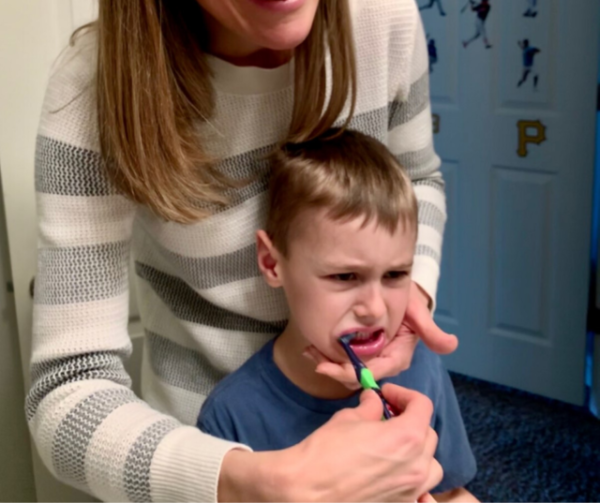
With a little creativity, patience, and the right approach, parents can make brushing more enjoyable while helping children develop healthy habits that can last a lifetime.
If getting your child to brush their teeth feels like a nightly battle, you are definitely not alone. From toddlers who refuse to open their mouths to older kids who somehow “forget” to brush, many parents struggle to turn oral hygiene into a consistent habit.
The good news? Brushing your child’s teeth does not have to be a fight.
With a little creativity, patience, and the right approach, parents can make brushing more enjoyable while helping children develop healthy habits that can last a lifetime. For families looking for a pediatric dentist in Paradise Valley, AZ, understanding why children resist brushing is an important first step.
Why Do Kids Hate Brushing Their Teeth?
Before turning brushing into a game, it helps to understand why your child may be resisting it.
1. They Want to Be in Control
Young children are constantly learning how to become independent. Saying “no” to brushing may have less to do with their teeth and more to do with wanting to make their own choices.
Instead of asking, “Do you want to brush your teeth?” try offering two choices:
“Do you want to use the blue toothbrush or the green one?”
Your child still has a choice, but brushing remains part of the routine.
2. Brushing May Feel Uncomfortable
Some children are sensitive to the sensation of a toothbrush, toothpaste, or even the feeling of someone brushing their teeth.
If your child complains that brushing hurts or consistently avoids certain areas of their mouth, talk with your pediatric dentist. Tooth sensitivity, cavities, irritated gums, or other dental problems can sometimes make brushing uncomfortable.
3. They Simply Find It Boring
Let's be honest: brushing for two minutes probably isn't the most exciting part of a child's day.
That is where parents can get creative.
Turn brushing into a mini adventure rather than another chore.
7 Fun Ways to Make Brushing More Enjoyable
1. Let Your Child Pick Their Toothbrush
Give your child some ownership over their oral hygiene routine.
Let them choose a toothbrush featuring a favorite color, animal, character, or design. You can even let them pick a special cup for rinsing.
A small amount of control can make a surprisingly big difference.
2. Turn Brushing Into a Game
Children love challenges.
Try:
Setting a two-minute brushing timer
Playing a favorite song while brushing
Seeing who can make the funniest brushing face
Pretending to chase “sugar bugs” away
Using a sticker chart for consistent brushing
The goal isn't to make brushing perfect every night. The goal is to make it something your child doesn't automatically dread.
3. Brush Together
Children learn by watching the adults around them.
Try brushing your teeth alongside your child in the morning and before bed. Make it a family routine rather than something your child is being told to do alone.
You might even say:
“Let's see who can find all the teeth hiding in the back!”
When children see parents taking care of their own teeth, brushing becomes a normal part of everyday life.
4. Let Them Brush Your Teeth
This can be especially effective with younger children.
Give your child a spare toothbrush and let them pretend to be the dentist while you brush your own teeth.
Then switch roles.
It turns an ordinary routine into imaginative play while helping your child become more comfortable with the idea of brushing.
5. Tell a Story
Children respond incredibly well to stories.
Instead of saying:
“Time to brush your teeth.”
Try:
“I think there's a little sugar monster hiding behind your back teeth. We need to find it!”
You can create your own characters and adventures around brushing.
This approach can also help children who become anxious about dental care because it shifts the experience from something scary to something familiar and playful.
6. Make the Routine Predictable
Children often do better when they know what comes next.
Try creating the same sequence every morning and night:
Pajamas → bathroom → brush → floss → story → bed
Over time, brushing becomes part of the routine instead of something that requires negotiation every night.
7. Celebrate the Habit—Not Just Perfect Brushing
Positive reinforcement can be more effective than criticism.
Instead of:
“You didn't brush your back teeth again!”
try:
“Great job taking care of your smile tonight!”
You can use stickers, a weekly chart, or another small reward system to encourage consistency.
The objective is to help your child develop an internal understanding that taking care of their teeth is something important they do for themselves.
What About Kids Who Still Refuse to Brush?
Sometimes, despite your best efforts, your child may continue to resist.
Don't turn every brushing session into a power struggle.
Stay calm and consistent. Parents may need to help younger children brush until they have developed the coordination and understanding necessary to do it properly on their own.
If your child consistently refuses to brush, complains about pain, has bleeding gums, or becomes extremely anxious about anything involving their mouth, it may be worth discussing the situation with a pediatric dentist.
A children's dentist can also help identify whether there is an underlying dental issue contributing to the resistance.
Don't Forget Flossing
Brushing is only one part of a healthy oral hygiene routine.
As your child's teeth begin touching each other, cleaning between them becomes important because a toothbrush cannot effectively reach every surface.
Parents should help younger children with flossing and continue supervising until their child has the coordination to do it properly.
Ask your child's dentist for guidance on the best flossing technique and tools for their age.
Why Early Dental Visits Matter
Regular dental visits are about much more than treating cavities.
A pediatric dentist can monitor your child's developing teeth, identify potential problems early, provide preventive care, and help your child become comfortable in the dental environment.
For children who are nervous about dental visits, finding a practice that focuses on creating a positive and welcoming experience can make a meaningful difference.
At Dr. Sugar's Children's Dentistry, the goal is to make dental visits feel more like a positive adventure than something children need to fear. The practice focuses on early childhood dental care, preventive treatments, orthodontics, and care for children with dental anxiety or special needs.
Building Healthy Smiles Starts at Home
Your child's relationship with oral hygiene is being built one brushing session at a time.
There will be mornings when they don't want to brush. There will be nights when they are tired and try to negotiate their way out of it. That's normal.
What matters is creating a consistent routine and helping your child understand that taking care of their teeth is part of taking care of themselves.
With patience, creativity, and a little imagination, brushing can become less of a battle and more of a positive part of your child's day.
And if you're looking for a pediatric dentist in Paradise Valley, AZ, a dental home that focuses on prevention, education, and positive experiences can help your child develop healthy habits that last far beyond childhood.
Ready to help your child build a happier, healthier smile? Schedule a visit with Dr. Sugar's Children's Dentistry and start their journey toward a lifetime of healthy teeth.
