Your Child’s First Loose Tooth: What Parents Should Do (and What to Avoid)
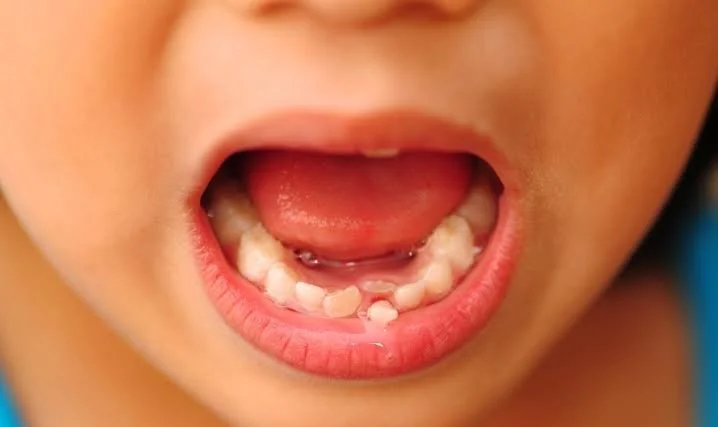
There are few childhood milestones quite as exciting as the first loose tooth. One day your child is happily eating lunch, and the next they are proudly announcing, “Mom, my tooth is moving!”
For kids, a loose baby tooth can be exciting, strange, or even a little scary. For parents, it can bring plenty of questions: Should I pull it? How loose is too loose? What if it falls out while my child is eating? And what happens next?
The good news is that losing baby teeth is usually a normal part of growing up. Understanding what is happening can help you support your child and know when it is time to call a pediatric dentist.
Why Do Baby Teeth Become Loose?
Baby teeth, also called primary teeth, are designed to eventually make room for permanent teeth.
As a permanent tooth develops underneath a baby tooth, it gradually moves toward the surface. The roots of the baby tooth slowly dissolve, or resorb. As the root disappears, the tooth becomes increasingly loose until it eventually falls out.
Most children begin losing their first baby teeth around age 6, although there is plenty of individual variation. The lower front teeth are often among the first to go, followed by the upper front teeth.
So if your child suddenly has a wiggly front tooth, there is usually no reason to panic—it may simply mean their smile is entering its next stage.
Should You Pull a Loose Baby Tooth?
Usually, there is no need to rush it.
If the tooth is only slightly loose, encourage your child to leave it alone and let nature take its course. Once the tooth becomes very loose, it may fall out on its own with little discomfort.
Some children love wiggling their loose tooth with their tongue or a clean finger. That's generally fine as long as they are gentle and have clean hands.
What should you avoid?
Try not to:
Pull a tooth that is only slightly loose.
Constantly wiggle the tooth for your child.
Use string or other DIY methods to remove it.
Give your child something extremely hard to bite in an attempt to make the tooth fall out.
Panic if the tooth comes out unexpectedly.
That last one is important. Baby teeth don't always follow a carefully planned schedule!
What Happens When the Tooth Falls Out?
A little blood can be normal when a baby tooth comes out. Your child may notice a small amount of bleeding around the gum.
Have them gently bite down on a clean piece of gauze or a clean cloth for several minutes if needed. Avoid repeatedly checking the area, since that can disturb the formation of a blood clot.
Once the bleeding stops, your child can usually continue with normal activities.
And yes, this is also when the Tooth Fairy may receive an important assignment.
Can My Child Eat Normally With a Loose Tooth?
Usually, yes.
However, a very loose tooth can make chewing uncomfortable, especially when biting into harder foods. If your child is complaining that the tooth hurts while eating, temporarily choosing softer foods can make mealtimes easier.
It's also important to continue brushing. A loose tooth still needs to be kept clean, along with the surrounding gums and the rest of the mouth.
Your child may be tempted to avoid brushing around the tooth because it feels strange. A soft-bristled toothbrush and gentle brushing can help keep plaque from accumulating around the area.
What If the Tooth Falls Out While Eating?
Don't worry!
If your child accidentally swallows a baby tooth while eating, it will generally pass through the digestive system naturally. It may be impossible to find the tooth afterward, but that doesn't mean anything went wrong.
If your child coughs, chokes, has trouble breathing, or seems to have inhaled the tooth, however, seek medical attention promptly.
What If a Baby Tooth Comes Out Too Early?
Not every missing baby tooth is the result of normal tooth loss.
A baby tooth may become loose because of an accident, tooth decay, infection, or another dental issue. If your child's tooth becomes loose significantly earlier than expected—or becomes loose after an injury—it's a good idea to have it evaluated by a pediatric dentist.
Baby teeth play an important role beyond simply helping children chew. They also help maintain space for permanent teeth and support normal development of the mouth.
Losing a baby tooth prematurely can sometimes affect the position of the surrounding teeth, which is why an evaluation can be helpful.
What If the Permanent Tooth Is Coming In Before the Baby Tooth Falls Out?
Sometimes parents notice something that looks a little surprising: the permanent tooth begins appearing while the baby tooth is still there.
This is particularly common with the lower front teeth and is sometimes described as “shark teeth.” The permanent teeth can appear behind the baby teeth, creating a double row.
In many cases, the baby tooth eventually becomes loose enough to fall out and the permanent tooth moves into a more typical position. However, if you're concerned about how the permanent tooth is developing, your child's pediatric dentist can evaluate the situation and determine whether any treatment is necessary.
When Should You Call a Pediatric Dentist?
Most loose baby teeth don't require an emergency dental visit. But certain situations deserve professional attention.
Contact your child's pediatric dentist if:
A baby tooth becomes loose after a significant injury.
Your child has persistent pain or swelling.
There is significant or prolonged bleeding.
The gum around the tooth looks infected.
A baby tooth becomes loose much earlier than expected.
A permanent tooth is coming in but the baby tooth isn't becoming loose.
Your child has difficulty eating because of the tooth.
You're simply unsure whether what you're seeing is normal.
When it comes to children's dental health, it's perfectly reasonable to ask questions. A quick evaluation can often provide reassurance—or identify a problem before it becomes more complicated.
How Can Parents Make Losing a Tooth Less Stressful?
For many children, the biggest challenge isn't the tooth itself. It's the uncertainty.
Try to keep the experience positive and matter-of-fact. You can explain that baby teeth are temporary and that losing them is part of growing a new adult smile.
Let your child ask questions, and avoid making the process sound painful or frightening. If they're nervous, remind them that they don't have to force the tooth out.
You can also turn the milestone into something fun. Let them keep track of which teeth they've lost, take a picture of their changing smile, or prepare a special Tooth Fairy tradition.
The goal is to help your child associate changes in their smile with growing up—not with fear of the dentist.
A Loose Tooth Is a Growing-Up Milestone
That first wiggly tooth can feel like a big deal—and it is! It marks the beginning of an important transition from your child's baby teeth to their permanent smile.
In most cases, the best approach is simple: let the tooth loosen naturally, keep the area clean, and watch for anything unusual.
And if you aren't sure whether a loose tooth is developing normally, that's exactly what a pediatric dentist is there to help with.
If you're looking for a pediatric dentist in Paradise Valley, AZ, Dr. Sugar's team can help you navigate your child's changing smile and keep their dental development on track.
