Is Your Child’s Palate Too Narrow? Signs Parents Should Know | Pediatric Dentist in Paradise Valley, AZ
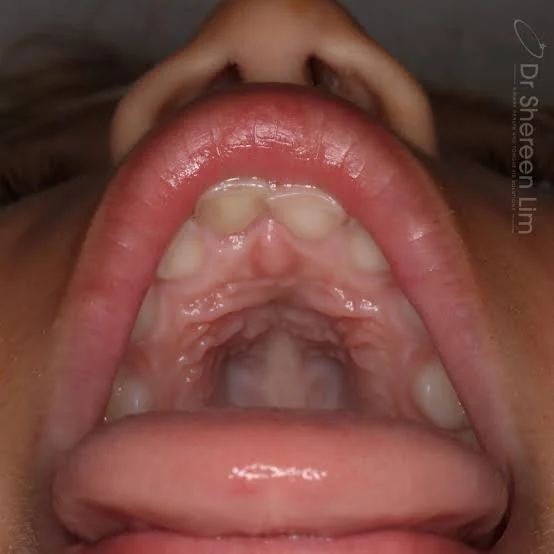
When you think about your child’s smile, you probably notice their teeth first. But healthy dental development involves much more than the teeth themselves. The palate, or roof of the mouth, plays an important role in how the upper jaw develops and how the teeth eventually fit together.
Sometimes, a child’s upper jaw may be narrower than expected. A narrow palate can affect the way the upper and lower teeth meet and may contribute to certain orthodontic concerns as a child grows.
But how can parents tell if their child’s palate may be too narrow?
What Is a Narrow Palate?
The palate forms the roof of the mouth and makes up much of the upper jaw. During childhood, the upper jaw grows and develops along with the rest of the face.
A palate that is relatively narrow may leave less room for the upper teeth to develop properly. In some children, this can contribute to crowding, crossbite, or teeth that erupt in unusual positions.
It is important to remember that every child develops differently. Only a dental professional can determine whether your child’s palate is developing normally and whether any treatment is appropriate.
Signs Parents May Notice
A narrow palate is not always obvious just by looking inside your child’s mouth. However, parents may notice certain signs that are worth mentioning to their pediatric dentist.
1. Crowded or Overlapping Teeth
One of the most noticeable signs can be dental crowding. If there does not seem to be enough room for permanent teeth to erupt, the teeth may overlap, twist, or come in at unusual angles.
Crowding can have several causes, so it does not necessarily mean your child has a narrow palate. A dental examination can help determine what is contributing to the problem.
2. A Crossbite
A crossbite occurs when some of the upper teeth bite inside the lower teeth rather than outside them.
A narrow upper jaw can sometimes contribute to a posterior crossbite, where the back upper teeth sit inside the corresponding lower teeth when your child bites down.
Because bite problems can affect how the teeth come together, they are worth discussing with your child’s dentist.
3. Teeth Appearing Out of Position
If permanent teeth begin erupting significantly toward the inside, outside, or behind other teeth, it may indicate that there is not enough space for normal eruption.
Again, this can happen for many reasons, including normal variations in development. Your pediatric dentist can monitor how your child’s teeth are coming in over time.
4. An Uneven Bite
Take a look at how your child’s upper and lower teeth meet when they gently close their mouth. If the bite appears noticeably uneven or one side seems to fit differently from the other, bring it up during a dental visit.
An uneven bite can have several causes, and early evaluation can help determine whether monitoring or orthodontic evaluation is appropriate.
Can a Narrow Palate Affect Breathing?
Parents sometimes hear that a narrow palate automatically causes breathing problems. The reality is more complicated.
The shape and development of the upper jaw can be associated with the anatomy of the nasal and oral airway, but a narrow palate alone does not diagnose a breathing or sleep disorder.
If your child regularly snores, breathes through their mouth, has restless sleep, or you have other concerns about their breathing during sleep, talk with their pediatrician and dental provider. These symptoms can have many different causes and may require evaluation by more than one healthcare professional.
Why Early Dental Visits Matter
Children’s mouths change rapidly as they grow. Regular visits with a pediatric dentist allow the dental team to monitor the development of the teeth, jaw, and bite over time.
Your child’s dentist may look at:
The width and shape of the upper jaw
How the upper and lower teeth fit together
Available space for permanent teeth
The eruption pattern of adult teeth
Signs of crowding or crossbite
Overall oral and facial development
Not every child with a narrow-looking palate needs treatment. Sometimes the best approach is simply to monitor growth and dental development.
When Might Orthodontic Treatment Be Considered?
If a child has a significant bite problem or insufficient space for developing teeth, the dentist may recommend an evaluation by an orthodontist.
Depending on your child’s individual development, an orthodontist may consider whether an appliance or other treatment could help guide the growth of the upper jaw or create additional space.
The timing of orthodontic treatment is highly individualized. There is no single age at which every child with a narrow palate should begin treatment.
What Parents Can Do
The most helpful thing parents can do is stay consistent with regular dental visits and pay attention to changes in their child’s smile and bite.
If you notice significant crowding, a crossbite, difficulty chewing, or teeth erupting in unusual positions, mention it at your child’s next appointment. Your pediatric dentist can determine whether it is simply part of normal development or something that deserves closer monitoring.
A Healthy Smile Starts With Watching the Whole Picture
Your child’s smile is shaped by more than individual teeth. The palate, upper jaw, bite, and developing permanent teeth all work together as your child grows.
A palate that appears narrow does not automatically mean something is wrong—but noticing potential signs early gives your pediatric dentist in Paradise Valley, AZ an opportunity to monitor your child’s development and recommend the right next step if necessary.
At Dr. Sugar, Children’s Dentistry, our goal is to make dental care a positive part of your child’s growing-up experience while keeping a close eye on their developing smile. If you have questions about your child’s palate, bite, or dental development, schedule an appointment so our team can take a closer look.
