Why Does My Child Keep Getting Canker Sores? A Parent’s Guide to Mouth Sores and Kids’ Dental Health
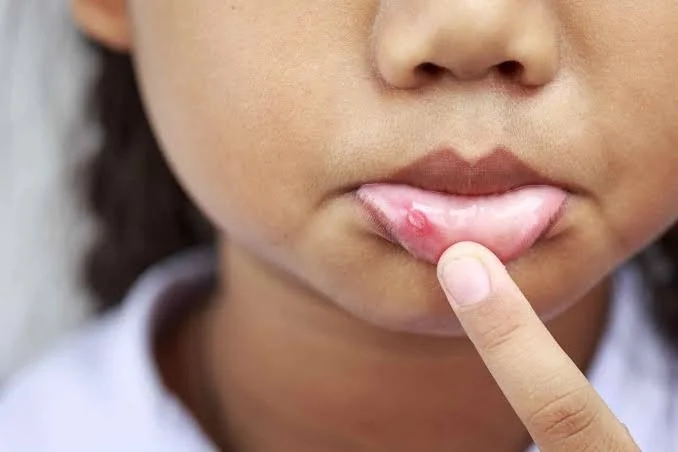
A canker sore is a small, shallow ulcer that develops on the soft tissues inside the mouth.
If your child suddenly complains that their mouth hurts and you spot a small white or yellowish sore inside their cheek, lip, or mouth, you may immediately wonder: What is that? Is it contagious? Does my child need to see the dentist?
One of the most common explanations is a canker sore, also known as an aphthous ulcer. These small mouth sores can be surprisingly painful, especially when children eat, brush their teeth, or enjoy their favorite snacks.
The good news? Most canker sores are harmless and heal on their own. But because several different conditions can cause mouth sores in children, knowing what to look for can help parents decide when it's simply a matter of comfort and when it's time to call a kids dentist in Paradise Valley, AZ.
What Is a Canker Sore?
A canker sore is a small, shallow ulcer that develops on the soft tissues inside the mouth. It may appear on the:
Inside of the lips
Inside of the cheeks
Tongue
Gums
Other soft areas of the mouth
Canker sores often have a white, gray, or yellow center surrounded by a red border. They can be quite painful even though they are usually small.
Unlike cold sores caused by herpes simplex virus, canker sores are not considered contagious. Your child generally does not need to stay home from school simply because they have a typical canker sore.
Why Do Kids Get Canker Sores?
Sometimes there is an obvious reason for a mouth sore, and sometimes there isn't.
A small injury inside the mouth can trigger one. For example, your child might accidentally bite their cheek while eating, brush too aggressively, or scratch the inside of their mouth with a hard or rough food.
Other possible triggers include:
1. Minor Mouth Injuries
Kids are constantly eating, playing, talking, and exploring. A cheek bite or small irritation can sometimes be followed by a canker sore.
Even a toothbrush that is too firm or brushing too aggressively may irritate the delicate tissues inside the mouth.
2. Certain Foods
Spicy, salty, acidic, or otherwise irritating foods can make an existing sore feel much worse. In some children, particular foods may also act as a trigger.
3. Stress and Everyday Changes
Children experience stress too! Changes at school, busy schedules, travel, or other disruptions can sometimes coincide with recurrent mouth sores.
4. Nutrition
Certain vitamin or nutritional deficiencies may be associated with recurrent canker sores. If your child frequently develops mouth ulcers, your pediatrician or pediatric dentist can help determine whether further evaluation is appropriate.
5. Sometimes, There Is No Clear Cause
And that's completely possible. A child may develop a canker sore without an obvious injury, food trigger, or other explanation.
Are Canker Sores the Same as Cold Sores?
Not necessarily—and knowing the difference is important.
Canker sores usually occur inside the mouth and are not contagious.
Cold sores, on the other hand, are associated with herpes simplex virus and commonly appear on or around the lips. A first herpes infection in young children can sometimes cause multiple mouth ulcers along with fever and other symptoms.
If you're unsure what you're seeing, don't worry about trying to diagnose it yourself. A pediatric dentist can examine your child's mouth and help determine what may be causing the sore.
How Long Do Canker Sores Last?
Most uncomplicated canker sores heal on their own within approximately 1 to 2 weeks. There isn't a treatment that makes a typical canker sore disappear immediately, but there are ways to make your child more comfortable while it heals.
During this time, encourage your child to:
Drink plenty of fluids
Continue gentle brushing
Avoid foods that sting the sore
Choose softer foods if chewing is uncomfortable
Avoid picking or biting the sore
If brushing hurts, don't let your child completely stop brushing. Instead, encourage gentle oral hygiene with a soft-bristled toothbrush.
What Can Parents Do for Mouth Sore Pain?
The goal is mainly to keep your child comfortable while the sore heals.
Cool, soft foods may be easier to eat, while citrus, spicy, or salty foods can make the area sting. Keeping your child hydrated is especially important if eating becomes uncomfortable.
Parents should also be cautious about using oral medications or numbing products. For example, the American Academy of Pediatrics specifically warns against using oral lidocaine in young children because it can be absorbed through the mouth and cause serious toxicity.
When in doubt, ask your child's pediatrician or pediatric dentist before using an oral pain-relief product.
When Should a Child See a Dentist for a Mouth Sore?
Most occasional canker sores aren't a dental emergency. However, a professional evaluation is a good idea if:
The sore lasts longer than two weeks
Your child develops several sores at once
Your child has repeated or unusually frequent mouth sores
There is significant swelling
Your child has a fever
Your child has difficulty drinking or appears dehydrated
Your child has sores on the lips or skin around the mouth
The sore is close to a painful tooth
Your child has facial swelling
The sore keeps returning in the same area
The American Academy of Pediatric Dentistry recommends that unusual oral lesions be evaluated as part of a comprehensive oral examination, with diagnosis and management based on the appearance, symptoms, history, and suspected cause.
Could a Mouth Sore Be Related to a Tooth?
Sometimes what looks like a simple mouth sore may actually be connected to irritation from a tooth, dental appliance, or another issue in the mouth.
For example, a sharp edge from a damaged tooth can repeatedly rub against the cheek or tongue. A child may also develop irritation after dental treatment or while adjusting to orthodontic appliances.
That's one reason a pediatric dentist in Paradise Valley, AZ can be a helpful resource when a sore doesn't seem to be healing normally.
Canker Sores and Your Child's Oral Hygiene
One painful sore shouldn't mean putting your child's entire oral hygiene routine on pause.
Keeping teeth clean remains important for kids' dental health. Encourage your child to continue brushing twice a day with a soft toothbrush and to floss as recommended.
If the sore is particularly sensitive, your child may need to brush more gently around the area until it heals.
Regular dental visits are also important because pediatric dentists don't just look for cavities. They evaluate the gums, teeth, soft tissues, bite, and overall development of your child's mouth.
How Can Parents Help Prevent Mouth Sores?
You can't prevent every canker sore, but a few healthy habits can help protect your child's mouth:
Choose a soft-bristled toothbrush.
Aggressive brushing can irritate delicate oral tissues.
Teach gentle brushing.
Kids don't need to scrub their teeth as hard as possible to get them clean.
Offer a balanced diet.
A varied diet supports overall health and provides important nutrients for growing children.
Pay attention to recurring patterns.
If your child repeatedly develops sores after eating a particular food or during certain situations, keep track of what you notice and share that information with your pediatrician or dentist.
Keep regular dental appointments.
Preventive pediatric dentistry allows your child's dentist to monitor their developing smile and identify oral health concerns early.
Canker Sore or Something Else?
A small sore inside your child's cheek may be a simple canker sore—but not every mouth lesion is the same.
Mouth sores in children can also be associated with viral infections, trauma, burns, cold sores, thrush, and other conditions. The American Academy of Pediatrics notes that the number of sores, their location, accompanying symptoms, and the child's overall condition can help distinguish between different causes.
That's why it's important to look at the whole picture, rather than assuming every white spot or mouth ulcer is a canker sore.
The Bottom Line for Parents
Canker sores can look alarming, especially when your child says, "It really hurts!" But most typical canker sores are temporary and heal naturally within a week or two.
The best approach is to keep your child's mouth clean, encourage plenty of fluids, avoid foods that irritate the sore, and watch how it changes.
And if something doesn't look right—or if you're simply unsure—your child's pediatric dentist in Paradise Valley, AZ can help.
At Dr. Sugar, Children's Dentistry, the goal is to make dental care feel comfortable, positive, and even a little fun for children. From preventive care and dental exams to addressing specific oral health concerns, building a trusting relationship with your child's dental team can help establish healthy habits that last a lifetime.
Frequently Asked Questions About Canker Sores in Kids
Are canker sores contagious?
No. Typical canker sores are not considered contagious.
How long does a canker sore last in a child?
Most heal naturally within about 1–2 weeks.
Can my child go to school with a canker sore?
A typical canker sore by itself is not a reason to stay home. However, mouth sores accompanied by fever or other signs of illness may require medical evaluation.
Should my child stop brushing if they have a canker sore?
Generally, no. Gentle oral hygiene is still important. A soft toothbrush and careful brushing around the sore can help maintain good dental hygiene while the area heals.
When should I call a pediatric dentist?
Contact your child's dentist if the sore lasts longer than two weeks, keeps returning, is associated with tooth pain or swelling, or you're concerned about its appearance or your child's symptoms.
Can a dentist tell what kind of mouth sore my child has?
A pediatric dentist can examine the lesion, consider its location and appearance, review your child's symptoms and dental history, and determine whether further evaluation is needed.
Looking for a kids dentist in Paradise Valley, AZ?
Dr. Sugar's Children's Dentistry provides pediatric dental care designed around children's individual needs, with an emphasis on creating positive dental experiences and building lifelong oral-health habits.
