It’s Not Just Candy! 7 Everyday Foods and Drinks That Can Cause Cavities in Kids
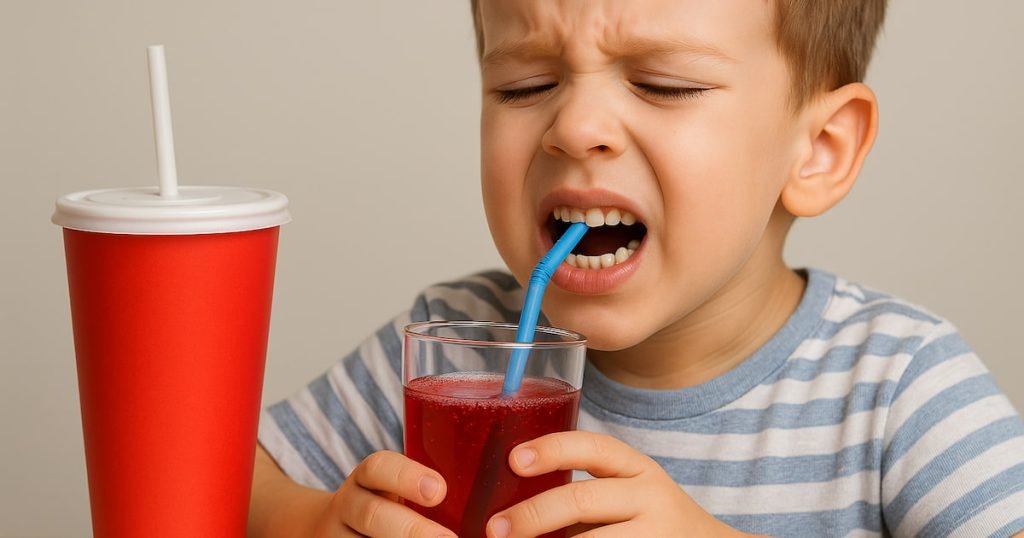
When parents think about cavities in children, candy is often the first thing that comes to mind. And while sugary treats can certainly contribute to tooth decay, candy isn’t the only thing parents should keep an eye on.
Some foods and drinks that seem perfectly harmless—or even healthy—can also contribute to cavities when they contain sugars or carbohydrates that oral bacteria can use to produce acids. How often a child eats or drinks these foods, how long they stay on the teeth, and whether they brush afterward can all make a difference.
At Dr. Sugar, we believe that kids dentistry should be about more than treating cavities. It should also help parents understand how everyday habits affect their child’s dental health.
Here are seven common foods and drinks that may surprise you.
1. Fruit Juice
Fruit juice may contain vitamins and come from fruit, but it can still contain a significant amount of natural sugar. Even 100% fruit juice can expose teeth to sugar and, depending on the type, acids that can contribute to enamel erosion and cavities.
The bigger concern is often how frequently children sip juice. Drinking a small amount throughout the day keeps teeth exposed repeatedly rather than giving the mouth a chance to return to a healthier environment.
A better approach
For everyday hydration, water is the best choice for your child's teeth. If your child drinks juice, consider serving it with a meal rather than allowing them to sip it throughout the day.
2. Dried Fruit
Raisins, dried mango, dried cranberries, and other dried fruits may seem like an easy healthy snack. But removing the water from fruit concentrates its natural sugars—and some dried fruits can be sticky enough to remain on the teeth.
That combination can make dried fruit something parents should consider when thinking about cavities in kids.
A better approach
Fresh fruit is generally a more tooth-friendly snack because it contains more water and is less concentrated. If your child enjoys dried fruit, serving it with a meal and having them rinse with water afterward can help.
3. Crackers and Pretzels
Here's one that surprises many parents: crackers and pretzels aren't candy, but they can still contribute to tooth decay.
These foods contain starches, which break down into sugars in the mouth. Some crackers also become soft and sticky as children chew them, allowing pieces to remain around the grooves of their teeth.
This doesn't mean children need to stop eating crackers. Instead, it's about understanding that a snack doesn't have to taste sweet to affect dental health.
A better approach
Pair crackers with something like cheese or another protein-rich food rather than offering them repeatedly as a stand-alone snack. Encourage your child to drink water afterward.
4. Flavored Milk
Milk itself contains naturally occurring lactose, but flavored milk can contain additional added sugars.
Chocolate milk and other sweetened milk drinks can be particularly easy for children to consume regularly because they still feel like an everyday beverage rather than a "treat."
A better approach
Plain milk and water are generally better everyday choices. If your child enjoys flavored milk, consider treating it more like an occasional sweet drink rather than something they sip throughout the day.
5. Gummy Vitamins
Gummy vitamins are popular with kids because they taste more like candy than medicine. The problem? Some contain added sugar and have a sticky texture that can cling to teeth.
If your child takes a gummy vitamin every day, that's daily exposure to the ingredients that can contribute to tooth decay.
A better approach
Talk with your child's pediatrician or dentist about whether a chewable, liquid, or non-gummy vitamin might be appropriate. If your child does take a gummy vitamin, giving it with a meal and following it with water may help reduce its contact with the teeth.
6. Sports Drinks and Electrolyte Drinks
Sports drinks are often marketed around activity and hydration, but many contain both sugar and acids.
For most everyday activities, children don't need a sugary sports drink to stay hydrated. Water is usually the simplest choice.
A better approach
Save sports drinks for situations where they are actually appropriate rather than making them a routine part of your child's day. After consuming one, encourage your child to drink water.
7. Granola Bars and "Healthy" Snack Bars
Granola bars can vary dramatically from one product to another. Some contain relatively little added sugar, while others are essentially sweet snacks packaged to look like a healthy option.
Many also contain sticky ingredients such as dried fruit, syrups, or other sweeteners that can remain on teeth.
A better approach
Check the nutrition label and ingredient list. Look for options with less added sugar and fewer sticky ingredients. Even better, offer whole-food snacks such as fresh fruit, vegetables, cheese, or nuts when appropriate for your child's age.
So, Should Kids Never Eat These Foods?
Absolutely not!
The goal of children's dental health isn't to eliminate every food that contains sugar or carbohydrates. That's neither realistic nor necessary.
What matters is the overall pattern.
A child who eats a piece of candy occasionally with a meal and then brushes their teeth is in a very different situation from a child who spends the entire day sipping juice, snacking on crackers, and eating sticky foods between meals.
One of the most important concepts for parents to understand is frequency.
Every time your child eats or drinks something containing fermentable carbohydrates, bacteria in the mouth can produce acids that affect the teeth. Repeated exposure throughout the day can give teeth less time to recover.
Simple Ways to Protect Your Child's Teeth
You don't have to completely change your family's diet to support good dental health. A few simple habits can make a big difference:
💧 Make water your child's go-to drink between meals.
🍎 Choose fresh fruit more often than dried fruit.
🥛 Choose plain milk more often than sweetened beverages.
🍽️ Try to keep meals and snacks to defined times instead of constant grazing.
🪥 Help young children brush twice a day with fluoride toothpaste.
🦷 Floss or clean between teeth where appropriate.
🍬 Keep sticky and sugary treats occasional rather than frequent.
👩⚕️ Schedule regular visits with your pediatric dentist.
The Bottom Line for Parents
Candy isn't the only food that can contribute to cavities in children. Juice, dried fruit, crackers, flavored milk, gummy vitamins, sports drinks, and some snack bars can also play a role.
That doesn't mean these foods are "bad" or forbidden. Kids dentistry is about helping families find a healthy balance—not making children afraid of food.
The best strategy is to pay attention to what your child eats, how often they eat it, and how well their teeth are cleaned afterward.
If you're concerned about your child's risk of cavities or want personalized advice about your child's diet and dental habits, a pediatric dentist can help you create a prevention plan that fits your family.
Healthy habits today can help give your child a healthier smile for years to come.
Looking for a Pediatric Dentist in Paradise Valley, AZ?
Dr. Sugar is committed to making children's dental care comfortable, educational, and fun. Our goal is to help parents understand their child's oral health while helping kids develop positive dental habits from an early age.
Schedule a visit with our pediatric dentist in Paradise Valley, AZ, and let’s keep your child's smile healthy—one habit at a time.
