Why Do Kids Need Expanders? How Palatal Expanders Can Help Growing Smiles
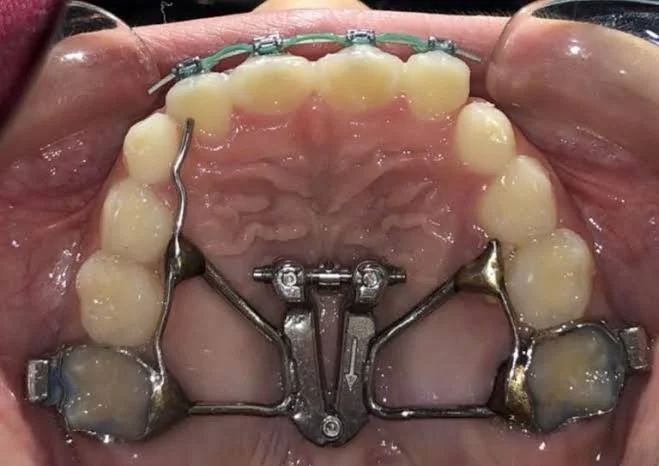
When parents hear that their child may need a palatal expander, one of the first questions is usually, “Why does my child need this?” If your child has crowded teeth, a narrow upper jaw, or certain bite problems, an expander may be recommended as part of early orthodontic treatment.
The good news is that children’s jaws are still developing, which gives orthodontists an opportunity to guide that growth and create more room for permanent teeth to come in properly.
At Dr. Sugar, we believe that understanding your child’s treatment can make the orthodontic experience much less intimidating. So, let’s take a closer look at palatal expanders for kids, why they are used, and how they can help create a healthier, more balanced smile.
What Is a Palatal Expander?
A palatal expander, sometimes called a dental expander or orthodontic expander, is a device used to gradually widen the upper jaw.
The upper jaw is made up of two bones that are connected along the middle of the palate. In growing children, this area is still developing, allowing an orthodontist to gently guide the upper jaw into a wider position.
A palatal expander is different from braces. Rather than moving individual teeth, an expander works primarily to address the width of the upper jaw.
Once the upper jaw has enough room, permanent teeth may have more space to develop and erupt in a healthier position.
Why Would a Child Need a Palatal Expander?
There isn't one single reason a child may need an expander. Orthodontists evaluate the child's teeth, jaw development, bite, and overall facial growth before recommending treatment.
Some common reasons for using a palatal expander for kids include:
1. A Narrow Upper Jaw
Some children have an upper jaw that is narrower than the lower jaw. This can affect how the upper and lower teeth fit together.
An orthodontic expander can help widen the upper jaw and improve the relationship between the two arches.
2. Crowded Teeth
When the jaw does not have enough room for permanent teeth, the teeth may become crowded or overlap.
Expansion can sometimes create additional space within the dental arch, which may help permanent teeth erupt more naturally.
However, every child's situation is different. Expansion isn't automatically the right solution for every case of crowded teeth.
3. Crossbite
A crossbite occurs when some of the upper teeth bite inside the lower teeth instead of outside them.
A narrow upper jaw can contribute to a posterior crossbite. In growing children, an orthodontic expander may be used to correct the underlying width discrepancy.
4. Bite Problems
The way the upper and lower teeth fit together is an important part of your child's oral health.
If the jaws are not developing proportionally, a child may develop an uneven bite. Early orthodontic evaluation can help identify these issues while the jaws are still growing.
5. Creating Room for Developing Permanent Teeth
Children lose their baby teeth and gradually develop their permanent dentition. If the dental arches are too narrow, there may not be enough room for all of the permanent teeth.
An orthodontist may recommend expansion to create a healthier environment for those developing teeth.
Why Is Expansion Often Done While Children Are Growing?
Timing is an important part of kids' orthodontics.
A child's jaw is still developing, and the structures of the palate are more adaptable during childhood and adolescence than they are after growth is complete.
This is one reason an orthodontist may recommend an evaluation at a relatively young age, even if your child still has some baby teeth.
Early evaluation does not necessarily mean your child will immediately need braces or another orthodontic procedure. In some cases, the best approach is simply to monitor how the teeth and jaws are developing.
Does a Palatal Expander Hurt?
This is one of the most common questions parents ask.
A palatal expander applies gentle, gradual pressure to the upper jaw. Children may experience some pressure or temporary discomfort, particularly after an adjustment, but treatment experiences vary from child to child.
Your orthodontic team will provide specific instructions for using and caring for the appliance and can explain what your child should expect during treatment.
If your child experiences significant or persistent pain, it's important to contact the dental or orthodontic office rather than simply assuming that discomfort is normal.
How Long Does a Child Wear an Expander?
The length of treatment varies depending on your child's age, growth, orthodontic needs, and the type of expander being used.
Expansion generally happens gradually rather than all at once. After the desired expansion is achieved, the appliance may remain in place for a period of time to help stabilize the result.
Your child's orthodontist will determine the appropriate treatment schedule and explain how often the expander needs to be adjusted.
What Is It Like to Eat With an Expander?
There can be a short adjustment period when a child first receives an expander.
Your child may notice that the appliance feels strange at first or that speaking and eating feel different. Most children gradually become more comfortable as they get used to it.
Good oral hygiene is especially important while wearing an orthodontic appliance. Food can become trapped around the expander, so children should carefully clean around the appliance according to their dentist's or orthodontist's instructions.
Parents can also help by encouraging their children to avoid particularly sticky or hard foods if their orthodontic team recommends doing so.
Does Every Child Who Needs an Expander Need Braces?
Not necessarily.
A palatal expander and braces serve different purposes.
An expander primarily addresses the width of the upper jaw, while braces are designed to move individual teeth into better positions.
Some children may have expansion as one phase of a larger orthodontic treatment plan that eventually includes braces. Other children may not need braces immediately, or at all, depending on their individual development.
The best way to determine what your child needs is through an orthodontic evaluation.
What Are the Benefits of Early Orthodontic Evaluation?
Parents sometimes assume that they should wait until all of their child's permanent teeth have erupted before seeing an orthodontist.
But an early evaluation can be useful because it allows the orthodontist to observe how the teeth and jaws are developing.
Depending on what they see, the orthodontist may recommend:
Immediate treatment
Monitoring your child's growth
A palatal expander
Braces at a later stage
Another orthodontic approach
No treatment at that time
In other words, an early orthodontic evaluation doesn't automatically mean your child needs orthodontic treatment.
It simply gives you more information about your child's developing smile.
Signs Your Child May Benefit From an Orthodontic Evaluation
Every child develops differently, but parents may want to ask their pediatric dentist or orthodontist about an evaluation if they notice:
Significant crowding or overlapping teeth
Difficulty biting or chewing
An upper or lower jaw that appears unusually narrow
A crossbite
Teeth that don't seem to fit together properly
Permanent teeth erupting in unusual positions
Persistent mouth breathing
Difficulty closing the lips comfortably
Early or late loss of baby teeth
A noticeable difference between the upper and lower jaws
These signs don't necessarily mean that your child needs an expander. They simply provide reasons to have their dental development evaluated.
Helping Your Child Feel Comfortable With Orthodontic Treatment
For some children, the idea of wearing an orthodontic appliance can feel overwhelming.
Parents can help by explaining the treatment in simple, positive terms. Instead of focusing on how strange the appliance may feel, explain that it is helping make room for their growing smile.
It can also help to let your child ask questions and understand what will happen during each appointment.
At a pediatric dental and orthodontic practice, the goal isn't simply to straighten teeth. It's also to make sure children feel comfortable, understood, and involved in their own dental care.
A Growing Smile Deserves Room to Grow
A child's smile changes dramatically throughout childhood. Baby teeth make way for permanent teeth, the jaws continue developing, and the way the upper and lower teeth fit together evolves over time.
For some children, a palatal expander can be an important part of guiding that development.
If your child has crowded teeth, a crossbite, a narrow upper jaw, or another orthodontic concern, an early evaluation can help you understand what is happening and whether treatment may be beneficial.
If you're looking for kids' dentistry or orthodontic care in Paradise Valley, AZ, Dr. Sugar can help you understand your child's developing smile and discuss whether an orthodontic evaluation is appropriate.
Frequently Asked Questions About Palatal Expanders
At what age can a child get a palatal expander?
There isn't one specific age that works for every child. Treatment timing depends on jaw development, dental development, and the orthodontic problem being addressed.
Do palatal expanders replace braces?
No. Expanders and braces perform different jobs. An expander addresses the width of the upper jaw, while braces primarily move teeth into better alignment.
Can my child eat normally with an expander?
Children can generally continue eating, although there may be a brief adjustment period. Your orthodontic team will provide specific recommendations about foods to avoid and how to keep the appliance clean.
How do I know if my child needs an expander?
Only an orthodontic evaluation can determine whether expansion is appropriate. Crowding, crossbite, and a narrow upper jaw are some reasons an orthodontist may consider an expander.
Is early orthodontic treatment always necessary?
No. Some children benefit from early treatment, while others may simply need monitoring until they are older. An early evaluation helps determine the appropriate timing for your individual child.
Give Your Child's Smile Room to Grow
Orthodontic treatment doesn't have to be complicated or intimidating. Understanding why a treatment is recommended can help parents feel more confident about their child's dental care.
If you have noticed crowded teeth, a crossbite, or other changes in your child's developing smile, talk with your pediatric dentist or orthodontic team about whether an evaluation could be helpful.
A healthy smile starts with healthy development—and sometimes, giving growing teeth a little more room can make a big difference.
