Pediatric Dentist vs. General Dentist: Which Is Right for Your Child’s Growing Smile?
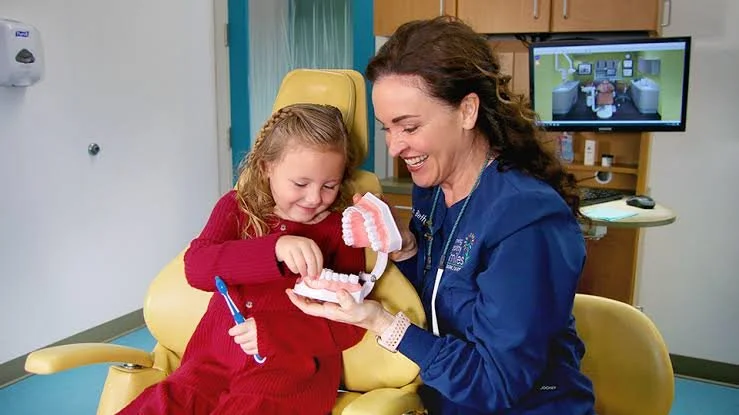
Choosing a dentist for your child can sometimes feel confusing. Should you take your child to the same general dentist you visit, or is a pediatric dentist a better choice?
While both general dentists and pediatric dentists are trained to care for teeth and prevent dental problems, pediatric dentists receive additional training focused specifically on children’s dental health, growing smiles, developing jaws, and the unique emotional needs of young patients.
For parents in Paradise Valley, AZ, understanding the difference can help you choose the right dental home for your child at every stage of development.
What Is a Pediatric Dentist?
A pediatric dentist is a dental specialist who focuses exclusively—or primarily—on treating infants, children, teenagers, and patients with special healthcare needs.
After completing dental school, pediatric dentists receive additional specialized training in areas such as:
Developing teeth and jaws
Infant and toddler dental care
Preventive pediatric dentistry
Childhood cavities
Dental injuries and emergencies
Children’s dental anxiety and behavior
Growth and development
Special healthcare needs
Early orthodontic concerns
This specialized knowledge allows a pediatric dentist to look beyond an individual tooth and consider how your child’s entire smile is developing.
What Does a General Dentist Do?
A general dentist provides comprehensive dental care for patients of many ages. General dentists commonly provide services such as:
Dental exams and cleanings
Cavity prevention and treatment
Fillings
X-rays
Gum care
Crowns and other restorative treatments
Preventive dental education
Many general dentists are perfectly comfortable treating children, particularly older children and teenagers.
However, children aren't simply “small adults.” Their teeth, jaws, behavior, and dental needs change rapidly as they grow.
That is where pediatric dentistry can offer a different approach.
Pediatric Dentist vs. General Dentist: What’s the Difference?
The biggest difference is specialization.
A general dentist is trained to treat a broad range of patients and dental conditions. A pediatric dentist has additional training specifically focused on the developing mouth and the needs of children.
Think about it this way: A general dentist understands children's teeth, but a pediatric dentist spends their professional training focusing on how children's teeth and smiles develop from infancy through adolescence.
Pediatric dental offices are also typically designed with children in mind. The environment, communication style, and approach to dental visits can help children feel more comfortable and confident.
When Should a Child See a Pediatric Dentist?
The American Academy of Pediatric Dentistry recommends that children have their first dental visit when their first tooth appears or by their first birthday.
Early visits aren't only about looking for cavities. They give parents an opportunity to learn about:
Proper brushing and flossing
Fluoride
Nutrition and healthy snacks
Pacifiers and thumb-sucking
Teething
Bottle and breastfeeding habits
Childhood cavities
Dental development
Starting early can also help your child become familiar with the dental office before a dental problem develops.
Does Your Child Need a Pediatric Dentist?
There isn't one answer that applies to every child. Some children may receive appropriate routine care from a general dentist, while others can benefit from the specialized experience of a pediatric dentist.
A pediatric dentist may be especially helpful if your child:
Has Frequent Cavities
Children can develop cavities quickly because their teeth are still developing and their brushing skills are still improving.
A pediatric dentist can help identify risk factors and create an age-appropriate cavity prevention plan.
Is Nervous About the Dentist
Dental anxiety is common among children.
Pediatric dentists are trained to communicate with young patients and use age-appropriate techniques to make dental visits less intimidating.
Creating positive experiences early can help children develop healthy attitudes toward dental care as they grow.
Has Special Healthcare Needs
Children with developmental, behavioral, or medical considerations may benefit from a dental team experienced in adapting care to their individual needs.
Has a Dental Injury
Kids are active, and accidents happen. Falls, sports injuries, and playground accidents can damage baby teeth or permanent teeth.
A pediatric dentist can evaluate the injury and determine whether additional treatment or monitoring is needed.
Has Concerns About Tooth or Jaw Development
Your child's smile is constantly changing.
A pediatric dentist monitors how baby teeth are being replaced by permanent teeth and can identify certain developmental concerns early.
Early evaluation doesn't necessarily mean your child needs orthodontic treatment. It simply allows dental professionals to monitor growth and determine whether further evaluation may eventually be helpful.
What About Teenagers?
Pediatric dentistry isn't only for toddlers.
Pediatric dentists can care for children and adolescents through their teenage years, including patients who are transitioning from baby teeth to permanent teeth and developing lifelong oral hygiene habits.
Teenagers may also have unique dental concerns, including:
Orthodontic treatment
Sports-related dental injuries
Wisdom teeth
Gum health
Nutrition and sugary drinks
Dental hygiene challenges
Increased risk of cavities
Eventually, most teenagers transition to a general dentist—but there is no need to rush that transition simply because they are getting older.
Why Is Early Dental Care So Important?
One of the biggest goals of kids dentistry is prevention.
Regular dental visits allow your child's dentist to monitor changes over time rather than simply treating problems after they appear.
A child's dental appointment may include an evaluation of their teeth, gums, bite, oral hygiene, and overall development. Parents can also receive guidance about brushing, flossing, fluoride, nutrition, and habits that may affect oral health.
In other words, pediatric dentistry isn't just about treating cavities. It's about helping children build the foundation for a healthy smile.
So, Which Dentist Should Your Child See?
For some families, a general dentist may be an appropriate choice for their child's routine dental care.
For others, especially families looking for specialized care for infants, young children, anxious patients, children with special healthcare needs, or children with developing dental concerns, a pediatric dentist may be a better fit.
The most important thing is that your child receives regular, age-appropriate dental care in an environment where they feel safe and comfortable.
If you're looking for pediatric dentistry in Paradise Valley, AZ, choosing a dental practice experienced in caring for growing smiles can help make dental visits a positive part of your child's healthcare routine.
Give Your Child’s Growing Smile the Right Start
Your child's smile changes dramatically throughout childhood. Baby teeth eventually make way for permanent teeth, jaws grow, and oral hygiene habits become lifelong habits.
Whether your child needs their first dental visit, a routine cleaning, cavity prevention, or evaluation of a developing smile, establishing a consistent relationship with a dental professional is an important step toward lifelong oral health.
If you're unsure whether your child should see a pediatric dentist or a general dentist, talk with a dental professional about your child's age, dental history, development, and individual needs.
A healthy smile starts with good dental care—and the right dental team can make the journey easier for both children and parents.
