Top 7 Myths About Children’s Dental Health Every Parent Should Stop Believing
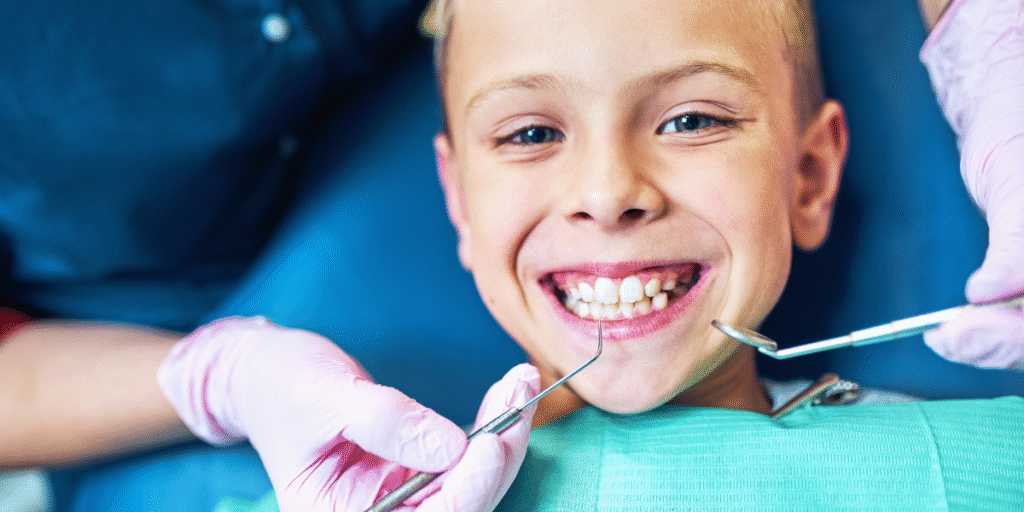
As parents, we hear advice about just about everything—from nutrition and sleep to school and screen time. Dental health is no exception! But when it comes to kids’ teeth, some common beliefs can do more harm than good.
Should you worry about cavities in baby teeth? Is brushing enough to keep your child’s smile healthy? And does your child really need to visit the dentist before all their permanent teeth come in?
If you’ve ever wondered whether something you heard about children’s dental health is actually true, you’re not alone.
At Dr. Sugar’s Kids Dentistry, we believe that informed parents are better equipped to help their children develop healthy smiles that last a lifetime. Let’s bust seven common dental myths and uncover what every parent should know.
Myth #1: Baby Teeth Don’t Matter Because They Eventually Fall Out
The truth: Baby teeth play an important role in your child’s development.
It’s easy to think of baby teeth as temporary placeholders. After all, your child will eventually lose them and grow permanent teeth. But those little teeth have some big responsibilities!
Baby teeth help children chew comfortably, speak clearly, and maintain the space needed for their permanent teeth to emerge properly. When a baby tooth is lost too early because of decay or injury, neighboring teeth may shift, potentially affecting the space available for adult teeth.
Untreated cavities can also cause pain and infection. That’s why keeping baby teeth healthy matters, even if they’re only going to be around for a few more years.
What parents can do:
Brush your child’s teeth twice a day with age-appropriate amounts of fluoride toothpaste.
Begin cleaning between teeth once they touch.
Schedule regular dental checkups to identify potential problems early.
Remember, a healthy permanent smile starts with caring for the teeth your child has today.
Myth #2: If My Child’s Teeth Don’t Hurt, They Must Be Healthy
The truth: Cavities can develop before your child experiences any pain.
Children don’t always tell us when something is wrong with their teeth. Sometimes, they genuinely don’t notice a problem!
Early tooth decay may not cause noticeable discomfort. As a cavity progresses, it can reach deeper layers of the tooth and eventually cause sensitivity, pain, or infection.
That means waiting until your child complains of a toothache may allow a small problem to become a bigger one.
Parents should also watch for changes such as white or brown spots on the teeth, sensitivity when eating, or avoiding certain foods. These signs don’t automatically mean your child has a cavity, but they’re worth discussing with a dentist.
What parents can do:
Keep up with routine dental visits even when your child seems perfectly comfortable. A pediatric dentist can examine your child’s teeth and identify concerns that may not be obvious at home.
Think of dental checkups as preventive maintenance for your child’s smile—not just something to schedule when a problem appears!
Myth #3: Cavities in Baby Teeth Don’t Need Treatment
The truth: Untreated cavities can cause pain, infection, and other complications.
This myth is closely related to the idea that baby teeth don’t matter. Because these teeth eventually fall out, some parents assume a cavity can simply be left alone until that happens.
Unfortunately, tooth decay doesn’t always wait patiently for the Tooth Fairy!
A cavity can grow deeper, damage more of the tooth, and potentially lead to infection. Depending on the tooth and the severity of the decay, treatment may be necessary to relieve discomfort and protect your child’s oral health.
The appropriate treatment depends on your child’s age, the tooth involved, how advanced the cavity is, and how soon the tooth is expected to fall out.
What parents can do:
If you notice a suspicious spot or your child complains of tooth pain, schedule a dental evaluation rather than assuming the problem will resolve on its own.
Early evaluation can help your dentist determine whether monitoring, preventive treatment, or restorative care is appropriate.
Myth #4: Fluoride Toothpaste Is Unsafe for Children
The truth: Fluoride helps strengthen tooth enamel and prevent cavities when used appropriately.
Fluoride sometimes gets a bad reputation, leaving parents unsure whether they should use it when brushing their children’s teeth.
According to the American Dental Association (ADA), fluoride toothpaste is recommended for children because it helps strengthen enamel and protect against tooth decay. The key is using the appropriate amount for your child’s age and supervising brushing to reduce swallowing.
Here’s a simple guide:
Children younger than 3: Use a tiny smear of fluoride toothpaste about the size of a grain of rice.
Children ages 3–6: Use a pea-sized amount and supervise brushing.
Children should be encouraged to spit out toothpaste rather than swallow it. If you have questions about fluoride exposure from toothpaste, drinking water, or other sources, your dentist can help you determine what’s appropriate for your child.
What parents can do:
Choose an age-appropriate fluoride toothpaste and make brushing twice daily part of your family’s routine. If you’re uncertain about the right product or amount, ask your pediatric dentist for guidance.
A little toothpaste goes a long way toward protecting growing smiles!
Myth #5: Brushing Twice a Day Is All My Child Needs
The truth: Brushing is essential, but cleaning between teeth matters, too.
Brushing twice daily is one of the most important habits for preventing cavities. However, toothbrush bristles can struggle to reach the tight spaces between teeth.
When plaque and food particles remain in these areas, they can contribute to tooth decay. That’s why flossing or another dentist-recommended method of cleaning between teeth is important once your child’s teeth touch.
Children also need help brushing effectively. Even if your little one insists they can do it independently, their coordination and brushing technique may still be developing.
What parents can do:
Help your child brush twice a day for two minutes.
Use a soft-bristled, age-appropriate toothbrush.
Clean between teeth daily once they touch.
Supervise brushing until your child can consistently clean all tooth surfaces effectively.
You can make the routine more enjoyable with a favorite song, a two-minute timer, or a colorful toothbrush. Healthy habits don’t have to feel like a chore!
Myth #6: My Child Only Needs to Visit the Dentist When Something Is Wrong
The truth: Regular dental visits help prevent problems and monitor your child’s developing smile.
If your child’s teeth look fine, you might wonder whether a dental appointment is really necessary.
The answer is yes! Dental visits aren't just about treating cavities. They also give your dentist an opportunity to assess tooth development, examine the gums, identify potential risks, and help you improve your child's at-home dental care.
The ADA recommends scheduling a child's first dental visit after the first tooth appears and no later than their first birthday. After that, many children benefit from checkups every six months, although the ideal schedule depends on individual needs and cavity risk.
Regular visits can also help children become familiar with the dental office, making oral healthcare a normal part of growing up rather than something associated only with pain.
What parents can do:
Establish a dental home early and follow the schedule recommended by your child’s dentist. If your child is nervous, use positive language and explain that the visit helps keep their smile healthy.
Prevention is often easier—and more comfortable—than waiting until a dental problem requires treatment.
Myth #7: Only Candy and Sweets Cause Cavities
The truth: Sugar exposure from many everyday foods and drinks can contribute to tooth decay.
Candy and cookies are obvious sources of sugar, but they aren’t the only foods parents should consider.
Juice, sweetened drinks, sugary cereals, crackers, and sticky snacks can also contribute to cavities. Even foods that seem healthy may contain added sugars or leave carbohydrates on the teeth.
The frequency of eating and drinking matters, too. Frequent snacking or sipping sugary beverages throughout the day gives cavity-causing bacteria repeated opportunities to produce acids that weaken enamel.
This doesn’t mean your child can never enjoy a treat. A balanced approach is much more realistic than trying to eliminate every sweet food.
What parents can do:
Offer water regularly, especially between meals.
Choose snacks with little or no added sugar.
Limit frequent sipping of sugary drinks.
Serve sweets with meals rather than allowing repeated snacking throughout the day.
Maintain consistent brushing and flossing habits.
Small, sustainable changes can help reduce cavity risk without turning every snack into a negotiation!
Bonus Tip: Healthy Smiles Start With Small Daily Habits
Debunking dental myths is a great first step, but putting the right information into practice is what makes a difference.
Here’s a quick checklist parents can use to support their child’s oral health:
Brush twice daily with fluoride toothpaste.
Clean between teeth daily once they touch.
Encourage water instead of sugary drinks between meals.
Supervise brushing until your child can do it effectively.
Schedule regular dental checkups.
Ask your dentist about additional preventive options, such as dental sealants, if appropriate.
These simple habits can help children build a positive relationship with oral care and develop routines they can carry into adulthood.
Help Your Child Build a Healthy Smile in Paradise Valley, AZ
When it comes to children’s dental health, separating myths from facts can make a real difference. Baby teeth matter, cavities don’t always hurt, fluoride can help protect enamel, and preventive dental visits are important even when everything seems fine.
The good news? Parents don’t have to figure everything out alone.
At Dr. Sugar’s Kids Dentistry, families can get guidance on preventive care, healthy dental habits, and the unique needs of growing smiles. Whether your child is visiting the dentist for the first time or is ready for their next routine checkup, professional guidance can help you make informed decisions about their oral health.
If you’re looking for a pediatric dentist in Paradise Valley, AZ, contact Dr. Sugar’s Kids Dentistry to learn more about helping your child maintain a healthy, confident smile.
Because when it comes to little teeth, the right information can make a big difference!
