Why Do Kids Grind Their Teeth at Night? What Parents Should Know
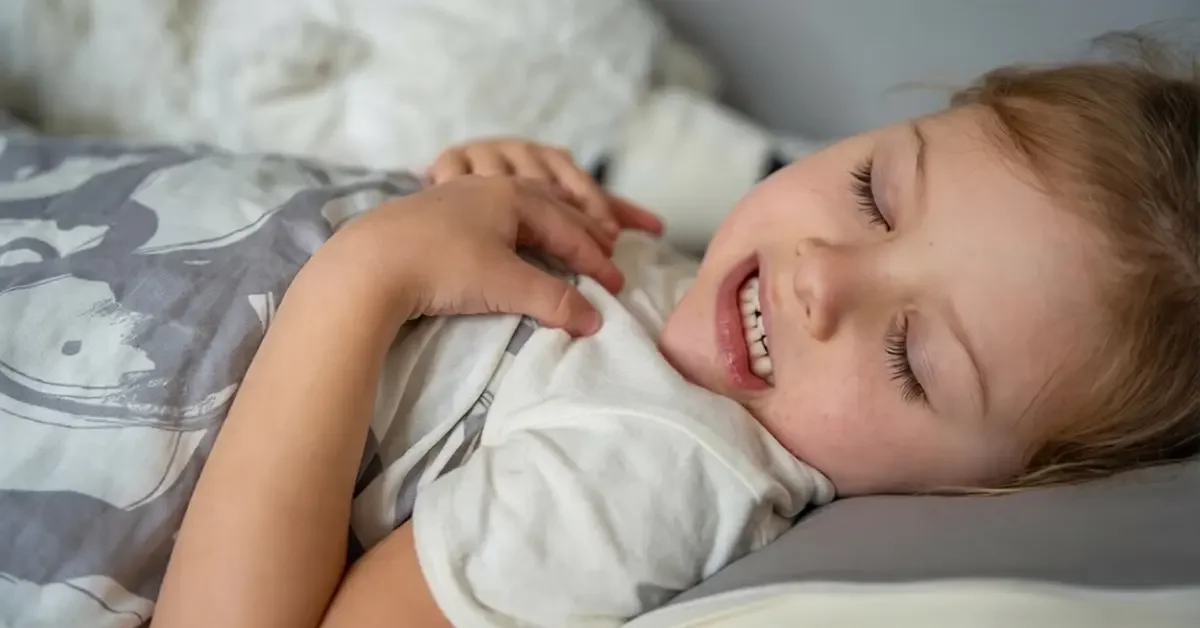
Have you ever heard a strange grinding or squeaking sound coming from your child’s bedroom at night? If you have, you’re not alone! Many parents are surprised to discover that their children grind their teeth while sleeping. This habit, known as bruxism, is relatively common in childhood and can happen even when a child has healthy teeth and a great brushing routine.
But why do kids grind their teeth at night? Is it something parents should worry about, and can it affect their child’s developing smile?
At Doctor Sugar, we believe that understanding your child’s dental health is an important part of helping them grow up with a healthy, confident smile. Here’s what parents should know about nighttime teeth grinding, what signs to watch for, and when to schedule a visit with a pediatric dentist in Paradise Valley, AZ.
What Is Teeth Grinding in Children?
Teeth grinding, or bruxism, occurs when a person clenches their jaw or rubs their upper and lower teeth together. It can happen during the day, but sleep bruxism occurs while a child is asleep, often without them realizing it.
Some children grind their teeth occasionally, while others may do it more frequently. It can happen in toddlers, preschoolers, and school-age children.
The good news? Many children outgrow teeth grinding as they get older. However, persistent or forceful grinding can sometimes lead to tooth wear, jaw discomfort, or other dental concerns. That’s why it’s helpful for parents to recognize the signs and discuss them with a pediatric dentist when needed.
Why Do Kids Grind Their Teeth at Night?
There isn’t always one clear explanation for childhood bruxism. Several factors may contribute, and the cause can vary from one child to another.
1. Changes in Growing Teeth
Children’s mouths change significantly as they grow. Baby teeth emerge, the bite develops, and permanent teeth eventually begin to replace primary teeth.
During these stages, some children may grind their teeth. Although tooth eruption and changes in the bite can coincide with grinding, they don’t necessarily explain every case.
If your child is going through a teething stage or losing baby teeth, mention any noticeable grinding to your pediatric dentist.
2. Stress, Excitement, or Big Emotions
Children experience stress, too, even when they don’t always have the words to explain how they feel. Changes in routine, school challenges, family transitions, or excitement about an upcoming event may affect their sleep and nighttime habits.
Some children clench their jaws when they feel tense. Others may grind their teeth during sleep without any obvious signs of stress.
A calm bedtime routine, consistent sleep schedules, and opportunities to talk about their day can support healthy sleep habits. However, teeth grinding alone doesn’t mean a child is experiencing anxiety or emotional distress.
3. Sleep-Related Factors
Sleep bruxism is associated with activity in the nervous system during sleep. It may also occur alongside certain sleep-related conditions.
If your child snores frequently, breathes noisily, gasps during sleep, or seems unusually tired during the day, talk with their pediatrician. These symptoms deserve attention, especially when they occur together.
Teeth grinding by itself does not establish that a child has a sleep disorder, but sharing your observations can help healthcare professionals determine whether further evaluation is appropriate.
4. Certain Medications or Health Factors
In some cases, medications or other health factors may contribute to teeth grinding. If the habit begins after your child starts a new medication or changes a dose, discuss it with the prescribing healthcare professional.
Never stop or change a prescribed medication without medical guidance. Your child’s pediatrician and dentist can help you determine whether the timing of the grinding may be relevant.
How Can You Tell If Your Child Grinds Their Teeth at Night?
Because children are usually asleep when grinding occurs, parents may first notice the sound rather than the habit itself.
Here are some signs to watch for:
Grinding or clicking sounds: You may hear your child’s teeth rubbing together while they sleep.
Morning jaw discomfort: Your child may complain that their jaw feels tired, sore, or tight after waking up.
Headaches: Some children may experience headaches, although headaches can have many different causes.
Tooth sensitivity: Worn or damaged teeth can sometimes become sensitive to cold, hot, or sweet foods.
Visible tooth wear: A dentist may notice flattened biting surfaces, chipped edges, or other signs of repeated grinding.
Facial discomfort: Your child may mention soreness around the cheeks or jaw muscles.
Not every child who grinds their teeth will experience these symptoms. Some have no noticeable discomfort or damage at all.
If you hear frequent grinding or notice any of these signs, a dental checkup can help determine whether the habit is affecting your child’s teeth.
Is Teeth Grinding Dangerous for Kids?
Occasional teeth grinding is not necessarily a cause for concern. Many children grind their teeth for a period of time and eventually stop without needing treatment.
However, frequent or forceful grinding can put repeated pressure on the teeth and jaw muscles. Over time, it may contribute to:
Excessive wear on tooth surfaces.
Small chips or fractures in teeth.
Increased tooth sensitivity.
Jaw muscle soreness or discomfort.
Discomfort that interferes with eating or daily activities.
Baby teeth are eventually replaced by permanent teeth, but that doesn’t mean dental concerns should be ignored. A pediatric dentist can check for signs of damage and monitor your child’s developing smile.
If your child experiences severe pain, has difficulty opening their mouth, or has a damaged tooth, arrange a prompt dental evaluation.
What Can Parents Do to Help a Child Who Grinds Their Teeth?
If you suspect your child grinds their teeth at night, there are several practical steps you can take at home.
Establish a Relaxing Bedtime Routine
A predictable bedtime routine can help children wind down after a busy day. Consider reading together, taking a warm bath, listening to quiet music, or spending a few minutes talking about the day.
Try to keep bedtime and wake-up times consistent. A relaxing routine supports healthy sleep, although it may not eliminate teeth grinding.
Pay Attention to Sleep Quality
Notice whether your child sleeps comfortably throughout the night. Frequent waking, loud snoring, gasping, or persistent daytime sleepiness are reasons to speak with their pediatrician.
Good sleep habits are important for children’s overall well-being, and these observations can help their healthcare team understand the bigger picture.
Encourage Regular Dental Checkups
Routine dental visits allow a pediatric dentist to monitor your child’s teeth, gums, bite, and jaw development.
If grinding is occurring, your dentist can look for tooth wear or other signs of damage and determine whether monitoring or treatment is appropriate.
Regular checkups are also an opportunity to reinforce brushing with fluoride toothpaste, flossing, and other habits that protect your child’s smile.
Avoid Trying a Night Guard Without Professional Guidance
You might come across mouthguards or night guards marketed for teeth grinding. However, a device designed for adults may not fit a child properly, especially while their teeth and jaws are still developing.
If your child’s grinding is causing tooth damage or discomfort, a pediatric dentist can assess whether a protective appliance is appropriate and ensure that it fits correctly.
Keep Track of What You Notice
You don’t need to become a nighttime detective, but a few simple observations can be helpful.
Make a note of how often you hear grinding, whether your child mentions pain, and whether you notice snoring or other sleep-related symptoms. Share these details with your dentist or pediatrician.
Avoid scolding your child for grinding. Sleep bruxism is generally involuntary, and children often cannot control it.
When Should You Take Your Child to a Pediatric Dentist?
You should consider scheduling a dental appointment if:
Your child grinds their teeth frequently or loudly.
You notice chipped, flattened, or unusually sensitive teeth.
Your child complains of jaw pain, facial soreness, or recurring morning headaches.
Grinding appears to be getting worse or interfering with daily comfort.
You have concerns about your child’s bite or dental development.
Even if your child has no symptoms, mention the grinding during their next routine dental visit. Your dentist can help you understand whether it needs monitoring or further attention.
If grinding occurs alongside frequent snoring, gasping during sleep, or significant daytime tiredness, contact your child’s pediatrician as well.
Protecting Your Child’s Smile Starts With Understanding
Hearing your child grind their teeth at night can be unsettling, but it doesn’t automatically mean something is wrong. Childhood bruxism is common, and many children eventually outgrow it.
The most important things parents can do are watch for signs of discomfort or tooth damage, encourage healthy sleep habits, and keep up with regular dental checkups. If grinding persists, a professional evaluation can help identify any problems and determine the best next steps for your child.
At Doctor Sugar, we’re committed to helping families understand their children’s dental health and feel confident about caring for their growing smiles.
Looking for kids dentistry in Paradise Valley, AZ? Contact Doctor Sugar to schedule your child’s dental visit and discuss any concerns about nighttime teeth grinding. A little knowledge and the right professional guidance can go a long way toward keeping those little smiles healthy!
Frequently Asked Questions About Kids Grinding Their Teeth
Do kids usually outgrow teeth grinding?
Many children do outgrow sleep bruxism as they get older. However, the pattern varies, so persistent grinding or signs of tooth damage should be discussed with a dentist.
Does teeth grinding mean my child is stressed?
Not necessarily. Stress may be one contributing factor, but sleep bruxism can have several possible explanations. Grinding alone is not enough to determine whether a child is experiencing stress or anxiety.
Can teeth grinding damage baby teeth?
Yes. Frequent or forceful grinding can wear down baby teeth or contribute to chips and sensitivity. A pediatric dentist can assess whether any damage is occurring.
Should my child wear a night guard?
Not every child who grinds their teeth needs a night guard. If grinding causes damage or discomfort, a pediatric dentist can determine whether a professionally fitted appliance is appropriate for your child’s age and dental development.
Is teeth grinding connected to sleep apnea?
Teeth grinding and sleep-related breathing problems may occur together in some children, but grinding alone does not mean a child has sleep apnea. If your child snores regularly, gasps during sleep, or has persistent daytime tiredness, discuss these symptoms with their pediatrician.
How can I protect my child’s teeth from grinding?
Keep up with routine dental visits, follow your dentist’s recommendations, and seek an evaluation if you notice tooth wear, sensitivity, or jaw discomfort. If a protective appliance is needed, your dentist can recommend an option suited to your child’s developing mouth.
