The Rare Condition That Can Make Kids Lose Baby Teeth Too Early: Hypophosphatasia
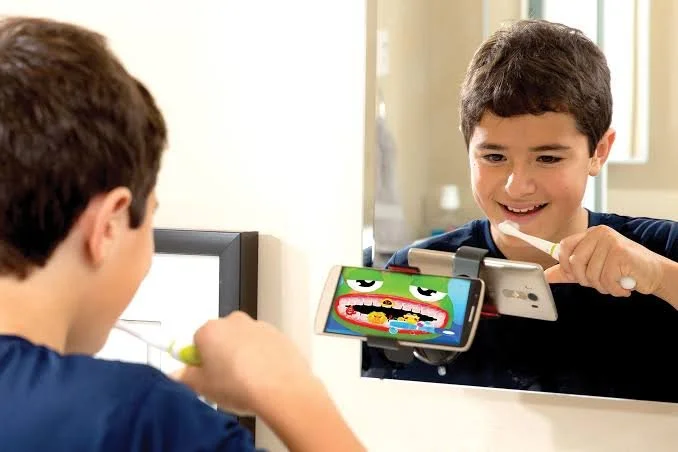
Is your child losing baby teeth unusually early? Learn how hypophosphatasia can affect children’s teeth and why early tooth loss may be an important sign for parents to discuss with a pediatric dentist.
Losing a baby tooth is an exciting milestone for most children. But what happens when a child loses a baby tooth years earlier than expected—especially when there is no obvious injury or severe decay?
While premature tooth loss can have several causes, there is a rare condition that pediatric dentists should be aware of: hypophosphatasia (HPP).
For parents, hearing the name may be unfamiliar or even intimidating. The good news is that hypophosphatasia is rare, and losing a baby tooth early does not automatically mean a child has this condition. However, unusual dental findings can sometimes provide an important clue that deserves further evaluation.
What Is Hypophosphatasia?
Hypophosphatasia is a rare inherited metabolic disorder that affects the body's ability to properly mineralize bones and teeth. It is associated with changes in the ALPL gene, which affects an enzyme called tissue-nonspecific alkaline phosphatase (TNAP). This enzyme plays an important role in the mineralization of hard tissues.
The condition exists on a broad spectrum. Some children can have significant skeletal problems, while others may have primarily dental symptoms, sometimes referred to as odontohypophosphatasia.
That's one reason dental visits can be so important: in some children, the first noticeable sign may appear in the mouth.
Why Can Hypophosphatasia Cause Early Tooth Loss?
One of the most characteristic dental signs of hypophosphatasia is the premature loss of primary teeth.
Normally, baby teeth stay in place until their roots gradually resorb as the permanent teeth develop underneath them. This process usually allows a baby tooth to loosen naturally before its permanent replacement emerges.
With hypophosphatasia, the problem can involve cementum, the mineralized tissue that helps attach a tooth's root to the surrounding supporting structures. Abnormal cementum formation can weaken the attachment of a primary tooth, allowing it to become loose and fall out prematurely.
Research describes premature exfoliation of fully rooted baby teeth as a particularly important dental clue for HPP.
What Does “Too Early” Mean?
This is an important distinction for parents.
Children naturally lose their baby teeth, but timing matters.
A child losing a front baby tooth at age 6 or 7 is generally part of normal dental development. However, losing primary teeth at a much younger age—particularly before approximately 3–5 years old—can warrant investigation, especially when the tooth appears to have a substantial root and there is no obvious explanation.
Some children with HPP may experience mobility of their baby teeth before they actually fall out. The lower front teeth can be among the first affected.
Signs Parents Should Watch For
Premature tooth loss is not the only possible dental finding associated with hypophosphatasia.
Depending on the form and severity of the condition, children may experience:
Baby teeth becoming loose unusually early
Premature loss of primary teeth
Enamel abnormalities
Changes in tooth shape or development
Enlarged pulp chambers
Abnormal or short tooth roots
Reduced supporting bone around teeth
Dental caries
Problems with tooth eruption
In some cases, issues involving permanent teeth
Importantly, not every child with HPP will have all of these symptoms.
Is Early Tooth Loss Always a Sign of Hypophosphatasia?
Absolutely not.
There are many reasons a child might lose a baby tooth earlier than expected. Trauma, severe decay, infection, developmental differences, and other dental or medical conditions can all contribute to premature tooth loss.
That's why parents shouldn't jump to conclusions based on one loose tooth.
Instead, think of unusual early tooth loss as a reason to ask questions and have the child evaluated by a dental professional.
A pediatric dentist can examine the child's teeth, gums, bite, dental development, and—when appropriate—take dental X-rays to look at the roots and surrounding bone.
If the findings suggest something beyond a routine dental issue, the dentist may recommend evaluation by the child's pediatrician or an appropriate medical specialist.
How Can a Pediatric Dentist Help?
Pediatric dentists are in a unique position to notice unusual patterns in children's dental development.
For example, if a very young child loses a baby incisor without significant trauma or infection, a dentist may ask:
How old was the child when the tooth was lost?
Did the tooth become loose first?
Was there an injury?
Was there decay or an infection?
Did the tooth appear to have a normally developing root?
Are other teeth unusually mobile?
Are there other concerns involving growth, bones, or development?
Does the child's dental history suggest a pattern?
These questions can help determine whether the tooth loss is likely to be an isolated dental event or whether additional evaluation may be appropriate.
In fact, dental professionals can sometimes play an important role in recognizing HPP because oral symptoms may precede or even be the primary noticeable manifestation of the condition.
What Happens If Hypophosphatasia Is Suspected?
A dentist cannot diagnose hypophosphatasia simply by looking at a loose tooth.
If HPP is suspected, diagnosis typically involves collaboration between dental and medical professionals. Evaluation can include the child's medical history, physical findings, laboratory testing such as alkaline phosphatase levels interpreted according to age, and potentially genetic testing.
This multidisciplinary approach is important because hypophosphatasia can affect more than just the teeth.
The condition can range from primarily dental involvement to forms that affect bones and other systems.
What Should Parents Do If Their Child Loses a Baby Tooth Very Early?
First, don't panic.
One early tooth loss doesn't mean your child has a rare disease.
Instead:
1. Save the tooth if possible.
If a tooth falls out unexpectedly, keep it and bring it to the dental appointment if your dentist recommends doing so.
2. Contact your child's dentist.
Tell them your child's age, which tooth was lost, and whether there was trauma, pain, swelling, or infection.
3. Pay attention to other symptoms.
Mention any unusual tooth mobility, dental development concerns, or other health or growth concerns to your child's healthcare provider.
4. Follow recommended evaluations.
If your pediatric dentist recommends additional testing or a medical evaluation, follow up promptly.
The Bigger Lesson: Your Child's Mouth Can Tell an Important Story
Most of the time, a loose baby tooth is simply a sign that your child is growing up.
But occasionally, unusual dental development can provide clues about something happening elsewhere in the body.
Hypophosphatasia is a rare condition, but its connection to premature primary tooth loss makes it an interesting example of why regular pediatric dental care matters.
A pediatric dentist isn't just looking for cavities. During routine visits, they can monitor how your child's teeth are developing, identify unusual patterns, evaluate the supporting structures around the teeth, and determine when something may need a closer look.
For families in Paradise Valley, AZ, establishing a relationship with a trusted pediatric dentist can give parents peace of mind while helping children build a healthy foundation for their permanent smiles.
Frequently Asked Questions About Hypophosphatasia and Children's Teeth
Can hypophosphatasia make baby teeth fall out early?
Yes. Premature loss of primary teeth is one of the most characteristic dental findings associated with hypophosphatasia.
At what age is baby tooth loss considered unusually early?
There isn't one age that applies to every child, but premature exfoliation of primary teeth before approximately 3–5 years of age—particularly without an obvious cause—can warrant further evaluation.
Does losing a baby tooth early mean my child has hypophosphatasia?
No. Early tooth loss can have many causes. Hypophosphatasia is rare, and a dental professional should evaluate the specific circumstances before drawing conclusions.
Can hypophosphatasia affect permanent teeth?
Yes. Although premature loss of primary teeth is a classic finding, some individuals with HPP can also experience abnormalities involving permanent teeth.
Why are regular pediatric dental visits important?
Regular kids dentistry appointments allow a pediatric dentist to monitor tooth eruption, development, enamel, gums, bite, and supporting structures over time. They also provide an opportunity to identify unusual findings early and determine whether additional evaluation is appropriate.
A Loose Tooth Can Be More Than Just a Milestone
For most children, losing a baby tooth is simply another exciting step toward growing up.
But when a tooth becomes loose or falls out much earlier than expected, it's worth asking why.
Hypophosphatasia is rare, but it demonstrates an important point for parents: children's dental health and overall health can sometimes be closely connected.
If your child is experiencing unexplained premature tooth loss, talk with a pediatric dentist. Early evaluation doesn't mean something is seriously wrong—it simply gives your child the best opportunity to receive the right care if further investigation is needed.
Healthy smiles start with paying attention to the little things.
