Smart Toys, Healthy Smiles? What Parents Should Know About Tech-Enabled Toys and Kids’ Teeth
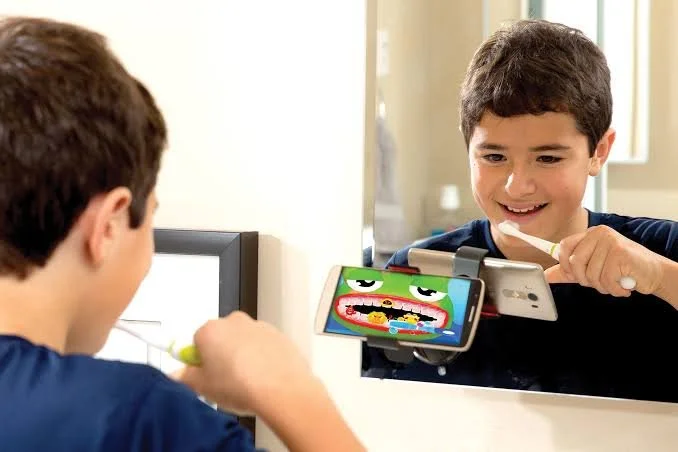
While technology itself isn't harmful to children's teeth, the way children use technology-enabled toys can influence daily routines, eating habits, physical activity, and even how consistently they brush their teeth.
Technology has changed the way children play.
Today's toys can talk, move, light up, respond to voices, connect to apps, and even use artificial intelligence to create interactive experiences. From smart dolls and talking robots to interactive games and connected learning devices, technology-enabled toys are becoming a bigger part of childhood.
But as parents add more high-tech toys to the playroom, there's another question worth asking:
What do smart toys have to do with your child's dental health?
The answer may be more interesting than you think.
While technology itself isn't harmful to children's teeth, the way children use technology-enabled toys can influence daily routines, eating habits, physical activity, and even how consistently they brush their teeth.
For families looking for kids dentistry in Paradise Valley, AZ, understanding these connections can help make technology a healthy part of childhood rather than something that gets in the way of good oral hygiene.
What Are Tech-Enabled Toys?
Tech-enabled toys are toys that incorporate technology to make play more interactive.
They may include:
Voice-activated toys
Programmable robots
Smart dolls
Interactive stuffed animals
Toys connected to smartphones or tablets
Educational coding toys
AI-powered toys
Interactive electronic games
Smart toothbrushes and dental games
Some are designed primarily for entertainment, while others are created to teach children skills such as reading, problem-solving, coding, or creativity.
Technology can be a fantastic learning tool. The key is making sure it doesn't replace other important parts of childhood—including healthy routines.
Can Smart Toys Cause Cavities?
Not directly.
A robot isn't going to give your child a cavity, and an interactive toy doesn't damage tooth enamel simply because it uses technology.
The bigger concern is what happens around the technology.
For example, a child who spends a long period playing with an interactive toy may be more likely to:
Snack frequently while playing
Sip sugary drinks for extended periods
Forget to brush before bed
Spend less time being physically active
Develop inconsistent bedtime routines
These behaviors—not the technology itself—can contribute to an increased risk of tooth decay.
That's an important distinction for parents.
You don't necessarily need to remove technology from your child's playtime. Instead, think about how technology fits into the family's overall routine.
The Snack-and-Screen Connection
One of the easiest habits to overlook is snacking while playing.
Imagine your child sitting on the floor with a favorite interactive robot. They have a tablet nearby, a juice box beside them, and a bowl of crackers within reach.
The problem isn't the robot.
It's the constant grazing.
Every time your child eats carbohydrates or consumes a sugary drink, bacteria in the mouth can produce acids that attack tooth enamel. Frequent snacking gives the teeth less time between acid exposures.
Instead of allowing unlimited snacks during extended play sessions, parents can establish simple routines:
Play → snack → water → play.
And when possible, offer tooth-friendly options such as cheese, vegetables, fruit, or other nutritious snacks rather than sticky or highly sugary foods.
Smart Toys and Bedtime Routines
Another potential issue is timing.
Many children become deeply engaged in interactive games and toys. A child who is supposed to start getting ready for bed at 7:30 may suddenly realize it's 8:15 because they were busy completing "just one more" challenge.
And then comes the familiar:
"I'm too tired to brush my teeth."
A consistent bedtime routine is important for children's dental health.
Parents can establish a predictable sequence:
Turn off the toys → get ready for bed → brush → floss → bedtime.
The technology doesn't have to disappear completely. It simply needs a clear stopping point.
Could Technology Actually Help Kids Brush?
Absolutely.
This is where technology can become a tool for better pediatric dental care.
There are now interactive toothbrushes, brushing apps, timers, games, and educational programs designed to make oral hygiene more engaging for children.
For kids who think brushing is boring, turning it into a challenge can make a difference.
For example, a child might enjoy:
A two-minute brushing game
A visual timer
Earning virtual rewards for consistent brushing
Following an animated character
Learning about different teeth through an interactive app
Tracking brushing habits
Technology works particularly well when it makes a healthy habit more enjoyable rather than replacing the habit itself.
What About AI and Children's Dental Education?
Artificial intelligence is also beginning to change how children interact with technology.
AI-powered tools can create personalized stories, answer age-appropriate questions, generate educational games, and create interactive learning experiences.
Imagine a child asking:
"Why do I have baby teeth?"
An AI-powered educational tool could turn the answer into a story about a tooth traveling through the mouth and making room for a permanent tooth.
Or a child who doesn't want to brush could interact with a virtual character whose mission is to help them defeat the "sugar bugs."
These types of experiences can make dental education for kids more memorable.
However, parents should remember that AI tools should complement—not replace—professional dental advice.
When it comes to your child's actual teeth, bite, oral development, or dental symptoms, your pediatric dentist should always be the trusted source.
Smart Toys Can Encourage Learning—But Kids Still Need to Move
There's another connection between technology and children's health that parents may not immediately associate with dentistry.
Children need plenty of opportunities for physical activity, creative play, outdoor time, and social interaction.
A high-tech toy can be part of a healthy childhood, but it shouldn't become the only way a child plays.
A balanced day might include:
Outdoor play
Sports or physical activity
Reading
Creative activities
Family time
Technology-based play
Dental hygiene
For parents in Paradise Valley, AZ, this can be especially easy to incorporate into family life with outdoor activities and active play.
The goal isn't to eliminate technology.
It's to create balance.
What Should Parents Look For in a Smart Toy?
Before purchasing a new technology-enabled toy, consider more than whether your child will enjoy it.
Ask yourself:
Does it encourage active or passive play?
A toy that encourages your child to build, move, create, or solve problems may offer more benefits than one that simply keeps them watching a screen.
Will it interfere with bedtime?
If your child becomes extremely stimulated by a particular toy, consider whether it belongs in the bedroom or should be used earlier in the day.
Does it encourage constant snacking?
If your child tends to eat whenever they play with a particular toy, establish snack times rather than allowing continuous grazing.
Can it become an educational tool?
Some toys can actually help parents teach children about healthy habits—including brushing and taking care of their teeth.
Is the technology appropriate for your child's age?
Parents should always check recommended ages, privacy settings, and parental controls before introducing connected or AI-enabled toys.
Don't Forget the Most Important Smart Tool: Your Child's Toothbrush
Sometimes the most useful technology in the house isn't the newest robot or AI toy.
It may be the toothbrush.
A child-friendly electric or smart toothbrush can make brushing easier and more engaging, particularly when combined with a timer or interactive brushing program.
But technology doesn't replace technique.
Children still need to learn to clean:
The front and back of their teeth
Their chewing surfaces
Along the gumline
Between their teeth
And younger children generally need help from their parents because they haven't yet developed the dexterity needed to brush thoroughly on their own.
Your children's dentist in Paradise Valley can demonstrate age-appropriate brushing techniques and help determine what works best for your child.
A Smart Toy Can't Replace a Dental Visit
Even the smartest toy can't examine your child's teeth.
Regular visits with a pediatric dentist in Paradise Valley, AZ, allow the dental team to monitor your child's developing smile, look for early signs of tooth decay, evaluate oral hygiene, and answer questions about nutrition, habits, and dental development.
Technology can make learning about dental health fun.
It can make brushing more engaging.
It can even help children become excited about taking care of their teeth.
But the foundation remains simple:
Brush. Floss. Drink water. Eat a balanced diet. Visit the dentist regularly.
Making Technology Work for Your Child's Smile
Parents don't have to choose between technology and healthy habits.
The best approach is to make technology work for your child's health rather than against it.
A smart toy can encourage creativity. An AI game can teach a lesson. A brushing app can make two minutes feel like an adventure.
And a regular visit to a trusted kids dentist in Paradise Valley, AZ can make sure your child's real smile is growing healthy behind the technology.
Because the smartest choice isn't necessarily the newest gadget.
It's teaching your child that taking care of their smile is part of everyday life—even in a world filled with smart toys.
