Rare Tooth Conditions in Children: 5 Unusual Dental Diseases Parents Should Know About
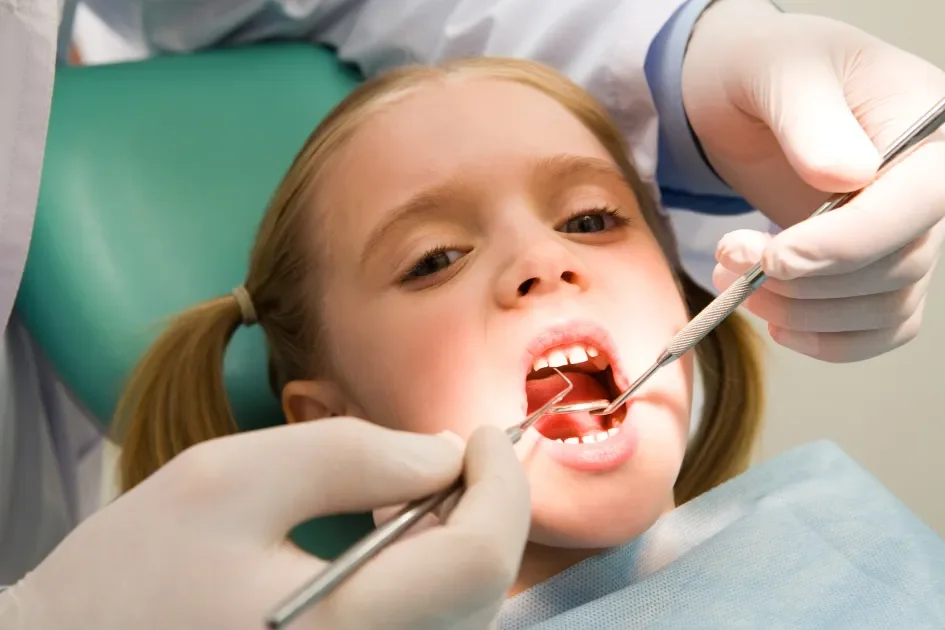
Most parents know about cavities, tooth sensitivity, and the importance of brushing twice a day. But did you know that there are also rare dental conditions that can affect how a child's teeth develop, look, or function?
These unusual tooth diseases are uncommon, but understanding the warning signs can help parents know when something deserves a closer look. Some conditions affect the enamel, while others involve the dentin or the overall development of the teeth.
The good news? A pediatric dentist can often identify unusual changes during a routine dental exam and help families understand what they mean.
Here are five rare tooth conditions parents should know about.
1. Amelogenesis Imperfecta: When Tooth Enamel Doesn't Develop Normally
Amelogenesis imperfecta (AI) is a rare genetic condition that affects the development of tooth enamel. Enamel is the hard outer layer that protects each tooth.
Children with amelogenesis imperfecta may have teeth that look different from typical healthy teeth. Depending on the type and severity, the enamel may be unusually thin, soft, rough, or discolored. Some children may also experience increased tooth sensitivity or teeth that chip and wear more easily.
Parents may notice:
Yellow, brown, or unusually white teeth
Teeth that appear smaller or have an unusual shape
Rough or fragile enamel
Increased sensitivity to hot or cold foods
Teeth that chip or wear down easily
Because enamel protects the deeper parts of the tooth, children with this condition may need additional preventive dental care.
A pediatric dentist can monitor tooth development and recommend ways to protect the teeth as your child grows.
2. Dentinogenesis Imperfecta: Fragile or Discolored Teeth
Another rare inherited condition is dentinogenesis imperfecta, which affects dentin—the layer underneath the enamel.
Children with this condition may have teeth that appear gray, blue-gray, yellow, or brown. The teeth can also be more fragile than usual and may wear down or break more easily.
Parents might notice that their child's teeth:
Have an unusual translucent or opalescent appearance
Look gray, blue, yellow, or brown
Chip or break more easily
Wear down unusually quickly
Seem sensitive or uncomfortable
Because dentin is an important structural part of the tooth, early dental monitoring can be especially helpful.
If your child's teeth look unusually fragile or have a persistent unusual color that isn't explained by food or staining, it's worth mentioning it to a pediatric dentist.
3. Regional Odontodysplasia: The "Ghost Teeth"
The name regional odontodysplasia may sound mysterious—and it is one of the rarer developmental dental conditions.
Sometimes called "ghost teeth," regional odontodysplasia occurs when the enamel and dentin of several teeth in one area do not develop normally.
The affected teeth may look unusually small, yellowish, or brown and can have very thin enamel and dentin. They may also be more susceptible to decay or infection.
Unlike many dental conditions that affect teeth throughout the mouth, regional odontodysplasia typically affects a specific area.
Parents may notice:
Teeth that look unusually small or malformed
Delayed eruption of certain teeth
Teeth with an unusual yellow or brown appearance
Teeth that appear different from neighboring teeth
Dental problems occurring in one specific area of the mouth
Because the condition is rare, diagnosis usually requires a careful dental examination and sometimes dental X-rays.
4. Dentin Dysplasia: When Teeth Develop Differently
Dentin dysplasia is another rare inherited dental disorder involving the development of dentin.
There are different forms of dentin dysplasia, and the appearance and symptoms can vary. In some children, the teeth may look relatively normal from the outside even though their internal structure is different.
In other cases, children may experience:
Unusual tooth color
Short or abnormal-looking tooth roots
Loose teeth
Increased risk of dental infection
Problems affecting the development or stability of teeth
This is one reason regular dental examinations are so important. Not every dental problem is visible when you look at your child's smile.
A pediatric dentist can use an examination and, when appropriate, dental X-rays to evaluate what's happening beneath the surface.
5. Hypophosphatasia: When Baby Teeth Fall Out Too Early
Hypophosphatasia is a rare metabolic disorder that can affect bones and teeth. One of the dental signs can be the premature loss of baby teeth, sometimes without the amount of decay parents would normally expect.
A child may have otherwise healthy-looking teeth that become loose much earlier than expected.
Other possible signs can include:
Baby teeth becoming loose unexpectedly
Premature loss of primary teeth
Difficulty chewing
Changes in bone or muscle health
Early loss of a baby tooth doesn't automatically mean a child has hypophosphatasia. There are many more common reasons a child may lose a tooth early, including dental trauma or severe decay.
However, when premature tooth loss seems unusual or happens without an obvious explanation, it's worth discussing with your child's dentist and pediatrician.
When Should Parents Be Concerned About Their Child's Teeth?
Rare dental diseases are exactly that—rare. Seeing one unusual-looking tooth does not mean your child has a rare genetic or developmental disorder.
Children's teeth can look different for many everyday reasons, including:
Normal variations in tooth development
Dental trauma
Enamel defects
Cavities
Fluorosis
Staining
Delayed eruption
Certain nutritional or medical conditions
The important thing is to pay attention to changes that seem unusual or persistent.
Consider making a dental appointment if you notice:
Teeth that are unusually fragile or constantly breaking
Significant changes in tooth color
Teeth that aren't erupting as expected
A child losing baby teeth much earlier than expected
Several teeth developing differently from the rest
Persistent tooth sensitivity or pain
Swelling or recurrent infections
Why Regular Kids Dentistry Visits Matter
Rare dental conditions can sometimes be difficult to recognize without professional evaluation. That's why regular kids dentistry appointments are about more than simply looking for cavities.
During a pediatric dental examination, a dentist can monitor:
Tooth eruption
Enamel development
Tooth shape and color
Jaw development
Bite development
Signs of decay or infection
Changes that may require additional evaluation
Early identification doesn't necessarily mean your child has a serious problem. It simply gives your dental team more information to work with.
Helping Your Child Build a Healthy Smile
Whether your child has completely typical teeth or a rare dental condition, the basics of children's dental health remain important.
Encourage your child to:
Brush twice a day with fluoride toothpaste
Floss between teeth every day
Drink plenty of water
Limit frequent sugary snacks and drinks
Wear a mouthguard during appropriate sports
Visit the dentist regularly
Tell an adult when something hurts or feels different
And remember: children don't have to have perfect teeth to have a healthy smile. The goal of pediatric dentistry is to help children develop strong, functional teeth while making dental care a positive part of growing up.
Looking for a Pediatric Dentist in Paradise Valley, AZ?
If you've noticed something unusual about your child's teeth, you don't have to figure it out on your own.
At Dr. Sugar, our goal is to help parents understand their children's dental health and provide personalized care as their smiles grow and develop. Whether you're concerned about unusual tooth color, delayed eruption, fragile teeth, or premature tooth loss, a pediatric dental evaluation can help determine what's going on.
If you're looking for kids dentistry in Paradise Valley, AZ, schedule an appointment with Dr. Sugar to have your child's smile evaluated and monitored as they grow.
