1. No Teeth Yet? Why Your Baby’s Oral Care Should Start Before the First Tooth
When you welcome a new baby into your family, dental care probably isn't the first thing on your mind. Between feedings, diaper changes, naps, and endless cuddles, brushing teeth might seem like something you can worry about later.
But here's something many new parents don't realize: your baby's oral care should begin before that first tiny tooth appears!
Even though your newborn doesn't have visible teeth yet, establishing gentle oral hygiene habits early can help you prepare for healthy teeth, build a comfortable daily routine, and recognize the milestones that matter for your baby's developing smile.
For parents exploring kids dentistry in Paradise Valley, AZ, understanding infant oral care is a great first step toward protecting your child's dental health from the very beginning.
Let's look at what parents should know, from cleaning those tiny gums to preparing for the first pediatric dental visit.
1. Why Should You Clean Your Baby’s Mouth Before Teeth Appear?
It might seem unnecessary to clean a mouth without teeth, but early oral care is about more than brushing.
Your baby's mouth naturally contains bacteria, and feeding can leave residue around the gums. Gently cleaning the mouth helps establish a routine that can continue when the first tooth arrives.
It also gives you an opportunity to become familiar with your baby's mouth and make oral care a normal part of everyday caregiving.
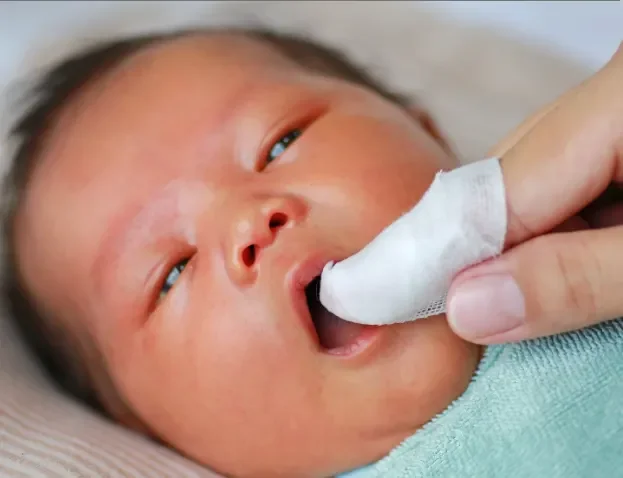
How to clean your baby's gums
You don't need an elaborate routine or special equipment.
Here's a simple approach:
Wash your hands thoroughly.
Use a clean, soft, damp washcloth or piece of gauze.
Gently wipe your baby's gums and the inside of their mouth.
Keep the experience calm and comfortable.
Never scrub or apply unnecessary pressure. If your baby becomes uncomfortable, take a break and try again later.
At this stage, water and a soft cloth are enough. Toothpaste isn't needed until the first tooth begins to emerge.
The goal is to introduce gentle oral care without turning it into a struggle.
2. When Do Babies Usually Get Their First Tooth?
One of the most exciting milestones in a baby's first year is the appearance of that first little tooth!
Many babies get their first tooth around six months of age, although the timing varies. Some babies develop teeth earlier, while others take longer.
The lower front teeth are often among the first to appear, followed by the upper front teeth.
You might notice signs such as:
Increased drooling
A tendency to chew on toys or fingers
Tender or swollen gums
Temporary fussiness
A small white edge appearing along the gumline
Not every baby experiences noticeable teething symptoms, and these signs can have other explanations.
If you have concerns about your baby's symptoms or tooth development, your pediatrician or pediatric dentist can help you determine what's normal for your child's age.
Here's the important part: You don't need to wait for a full set of baby teeth before beginning dental care. Start brushing as soon as the first tooth appears.
3. Your Baby's First Tooth Needs a Toothbrush, Too!
Once that first tooth erupts, it's time to introduce a baby toothbrush.
Choose one designed for infants, with a small head and soft bristles. This makes it easier to reach the tooth without irritating your baby's delicate gums.
The American Dental Association recommends brushing children's teeth twice a day with fluoride toothpaste, using an amount appropriate for their age.
For babies and children younger than three, use a tiny smear of fluoride toothpaste about the size of a grain of rice.
Even though the amount is small, fluoride helps strengthen tooth enamel and protect against cavities.
A few tips for brushing baby teeth
Brush gently around the entire tooth, including near the gumline.
Brush twice daily, especially before bedtime.
Use only the recommended rice-sized smear of fluoride toothpaste.
Help your baby become familiar with the toothbrush gradually.
Continue supervising and performing brushing as your child grows.
You don't need to wait until your baby can spit toothpaste out to begin using fluoride toothpaste. The recommended small amount is designed for young children, who may swallow some toothpaste while learning to brush.
For additional guidance, see the American Dental Association's recommendations for children's toothpaste.
4. Can Babies Get Cavities in Their First Teeth?
Yes! Baby teeth can develop cavities as soon as they erupt.
Although these teeth are temporary, they play important roles in chewing, speech development, and maintaining space for permanent teeth.
Early childhood cavities can develop when bacteria in the mouth interact with sugars from food and drinks, producing acids that damage tooth enamel over time.
This is why establishing healthy habits early matters.
How can parents help prevent early cavities?
Consider these simple habits:
Brush your baby's teeth twice a day with an age-appropriate amount of fluoride toothpaste.
Avoid frequently exposing teeth to sugary drinks.
Don't put juice, soda, or other sugary beverages in a baby's bottle.
Avoid allowing your baby to fall asleep with a bottle containing milk, formula, or sweetened drinks.
Follow your pediatric dentist's recommendations for preventive care.
Breast milk and infant formula provide important nutrition, and parents don't need to feel guilty about normal feeding routines. As teeth emerge, however, it's important to establish appropriate brushing habits and discuss feeding patterns with your pediatric dentist.
For more information about preventing cavities in young children, visit the American Academy of Pediatric Dentistry.
5. When Should Your Baby First Visit a Pediatric Dentist?
Many parents assume their child doesn't need a dental appointment until several teeth have appeared or until the toddler years.
In reality, the recommended timeline is much earlier.
The American Academy of Pediatric Dentistry recommends scheduling a child's first dental visit when the first tooth appears, and no later than their first birthday.
This early appointment isn't just about examining teeth. It's also an opportunity for parents to receive personalized advice about oral hygiene, feeding habits, fluoride, teething, and cavity prevention.
What happens during the first dental visit?
Depending on your baby's age and needs, the pediatric dentist may:
Examine the gums, tongue, and emerging teeth.
Check that oral development is progressing appropriately.
Assess factors that may increase cavity risk.
Demonstrate how to clean your baby's teeth.
Discuss fluoride and age-appropriate toothpaste.
Answer questions about teething and feeding habits.
Early dental visits can also help your baby become familiar with the dental environment before a problem develops.
Think of this appointment as the beginning of a partnership between your family and your child's dental team.
For families seeking a pediatric dentist in Paradise Valley, AZ, early preventive care can help make dental health a natural part of growing up.
6. Are Teething Toys and Gels Safe for Babies?
Teething can be an uncomfortable stage for some babies, and it's understandable to want to help soothe those sore gums.
Fortunately, a few simple options can provide comfort.
What can help?
A chilled teething ring: Choose one designed for babies and cool it in the refrigerator. Avoid freezing it, since an extremely hard or frozen object can injure delicate gums.
Gentle gum massage: With clean hands, gently rub your baby's gums to provide temporary relief.
A cool, damp washcloth: When appropriate for your baby's developmental stage and used under close supervision, a clean, cool washcloth may offer something soothing to chew on.
What should parents avoid?
Avoid teething necklaces and amber necklaces, which can pose choking or strangulation risks.
Don't use frozen teething objects that become rock-hard, and don't apply numbing gels or other medications to your baby's gums without guidance from a healthcare professional. Some products containing benzocaine or lidocaine can be dangerous for infants and young children.
If your baby has a significant fever, persistent diarrhea, or symptoms that seem more severe than ordinary teething discomfort, contact your pediatrician rather than assuming teething is the cause.
7. How Can You Make Oral Care Part of Your Baby's Daily Routine?
The best oral hygiene routine is one you can maintain consistently.
During the early months, gently cleaning your baby's gums can become part of the morning or evening routine. Once the first tooth appears, transition to brushing twice a day.
Here are a few ways to make the process easier:
Choose a calm moment
Try brushing when your baby is comfortable and alert rather than overtired or hungry.
Keep it short and gentle
Babies are still getting used to new sensations. Gentle movements and a relaxed approach can help them become more comfortable over time.
Use the same routine every day
Pair oral care with another familiar activity, such as changing into pajamas or getting ready for bed.
Let your baby explore safely
As your child grows, they may want to touch or hold the toothbrush. You can encourage curiosity while remaining responsible for actually cleaning their teeth.
Be patient
Some days will be easier than others. Consistency matters more than achieving a perfect routine every single time.
Remember, your baby doesn't need to understand why brushing matters yet. You're helping establish a habit that can become second nature as they grow.
Your Baby's Oral Care Checklist
Not sure where to begin? Use this simple checklist to help you remember the essentials.
Gently clean your baby's gums with a clean, damp cloth before teeth appear.
Introduce a soft, infant-sized toothbrush when the first tooth erupts.
Brush twice daily with a rice-sized smear of fluoride toothpaste.
Keep sugary drinks out of your baby's bottle.
Choose safe, age-appropriate ways to soothe teething discomfort.
Schedule the first dental visit when the first tooth appears, or no later than the first birthday.
Ask your pediatric dentist about fluoride, feeding habits, and your baby's individual cavity risk.
Small habits can make a meaningful difference when practiced consistently.
The Bottom Line: Healthy Smiles Start Earlier Than You Think
Your baby's first tooth is an exciting milestone, but you don't have to wait for it to begin caring for their mouth.
Gentle gum cleaning, age-appropriate brushing, healthy feeding habits, and an early dental visit all help establish the foundation for good oral health.
And remember, baby teeth matter. They support chewing and speech development, and they help maintain space for permanent teeth.
If you're a new parent, you don't need to have everything figured out on day one. Start with simple habits, ask questions when you're unsure, and seek professional guidance as your baby's smile develops.
At Dr. Sugar's Children's Dentistry, we believe that helping parents understand their children's dental health is an important part of preventive care. Families looking for kids dentistry in Paradise Valley, AZ, can learn more about caring for growing smiles and building positive dental habits from infancy onward.
Because a healthy smile doesn't begin with the first lost tooth—or even the first tooth that appears. It begins with the care you provide from the very start!
