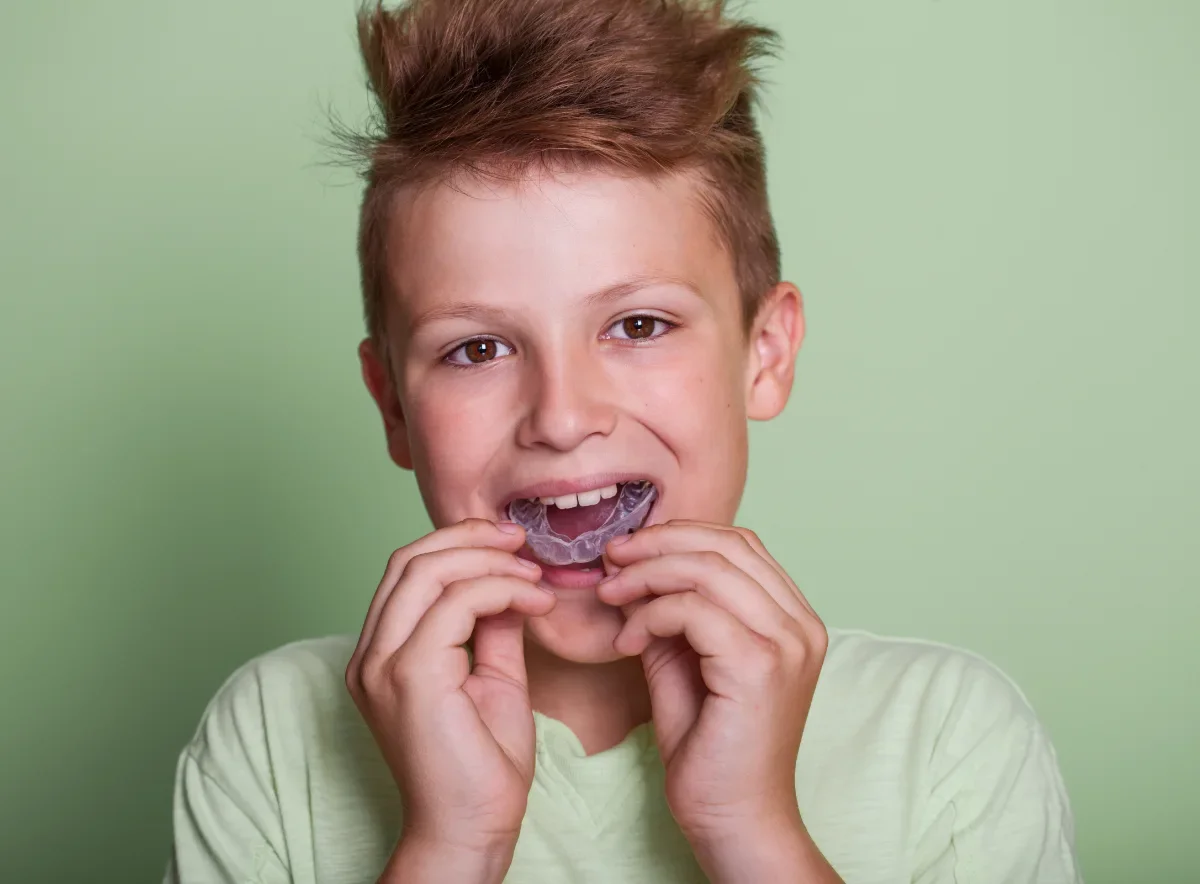
Between soccer practices, basketball games, swimming lessons, and weekend adventures, kids in Paradise Valley, AZ, are always on the move! Sports are fantastic for building confidence, teamwork, and healthy habits. But while parents remember helmets, shin guards, and knee pads, one important piece of protective equipment sometimes gets overlooked: a mouthguard.
A sports-related dental injury can happen in seconds, even during activities that don't seem particularly risky. The good news? With the right precautions and guidance from a pediatric dentist, parents can help protect their children's teeth, gums, and growing smiles.
Let's explore how to keep your young athlete's smile game-ready all season long!
Why Sports Dental Safety Matters for Kids
Children's teeth are still developing, and their mouths change significantly as they grow. During sports and recreational activities, an unexpected collision, fall, or impact from a ball can cause chipped teeth, loosened teeth, cuts to the lips, or other injuries to the mouth.
And it's not just football or hockey that can pose a risk. Basketball, baseball, skateboarding, gymnastics, and other recreational activities can also lead to dental injuries.
According to the American Dental Association, wearing a properly fitted mouthguard can reduce the risk and severity of sports-related dental injuries. That's why sports dentistry and preventive dental care are important parts of keeping young athletes healthy.
Parent tip: Before your child's next practice, take a moment to check that their protective equipment fits properly, including any mouthguard recommended for their sport.
1. Mouthguards: A Small Piece of Equipment With a Big Job
If there's one item parents should discuss with their child's dentist before sports season, it's a mouthguard.
A mouthguard creates a protective barrier over the teeth and helps reduce the risk of injuries to the teeth, lips, cheeks, and other oral tissues. It's especially important for children participating in contact, collision, or other activities with a risk of facial impact.
What Type of Mouthguard Is Best for Your Child?
There are several options to consider:
Stock mouthguards: Ready-made protectors available in standard sizes. Their fit may be less secure and comfortable.
Boil-and-bite mouthguards: These are softened in hot water and molded to the teeth according to the manufacturer's instructions.
Custom-fitted mouthguards: Made by a dental professional to fit an individual's teeth, these may offer improved comfort and retention.
The best choice depends on your child's sport, age, dental development, and individual needs. A pediatric dentist can help you select an appropriate option.
What If Your Child Has Braces?
Children with braces may need special consideration when choosing a mouthguard. A properly selected guard can help protect both the teeth and orthodontic appliances during sports.
Ask your child's dentist or orthodontist which type is appropriate, and have the fit reassessed as the teeth move and the mouth changes.
Remember: Mouthguards help protect against dental injuries, but they do not eliminate every risk and should not be considered a substitute for helmets, face protection, or other sport-specific safety equipment.
2. Dental Checkups Can Help Prevent Sports-Related Problems
Regular visits to a pediatric dentist do more than check for cavities. They also give dental professionals an opportunity to assess your child's developing teeth, bite, gums, and overall oral health.
Before sports season begins, a dental checkup can help identify concerns that may affect your child's smile during athletic activities.
During a visit, your pediatric dentist may:
Examine the teeth and gums for existing problems.
Evaluate the child's bite and developing permanent teeth.
Discuss protective equipment based on the sports your child plays.
Check whether an existing mouthguard still fits properly.
Provide guidance on caring for the teeth and gums throughout the season.
Children grow quickly, and a mouthguard that fit comfortably last year may no longer fit well today. Regular dental visits help parents stay ahead of these changes.
For families looking for a pediatric dentist in Paradise Valley, AZ, preventive visits are a valuable opportunity to discuss sports safety before an injury occurs.
3. What Should You Do If Your Child Injures a Tooth During a Game?
Even with good preparation, accidents can happen. Knowing what to do can help you respond calmly and get your child the appropriate care.
If Your Child Chips or Breaks a Tooth
First, check whether your child has other injuries and control any bleeding with gentle pressure using clean gauze. If you can find the broken tooth fragment, keep it moist and bring it to the dental appointment.
Contact a dentist promptly for advice, especially if your child has pain, sensitivity, or a large fracture.
If a Tooth Becomes Loose or Moves Out of Position
A loose or displaced tooth after an impact needs prompt dental assessment. Avoid wiggling it, pushing it back into place, or allowing your child to chew on it.
The appropriate treatment depends on whether the injured tooth is a baby tooth or a permanent tooth.
If a Permanent Tooth Is Knocked Out
A knocked-out permanent tooth is a dental emergency. Time matters, so seek immediate dental care.
Find the tooth and pick it up by the crown, not the root.
If dirty, gently rinse it with milk or saline. Avoid scrubbing or scraping the root.
If your child is old enough to cooperate safely, and you know how to do so, the tooth may be gently repositioned in its socket. Never force it.
Otherwise, keep it moist in milk or a suitable tooth-preservation solution and get emergency dental care immediately.
Do not reinsert a knocked-out baby tooth.
If your child has difficulty breathing, loses consciousness, has significant facial trauma, or shows signs of a serious head injury, seek emergency medical care immediately.
Important: Do not wait until the next day to seek help for a knocked-out permanent tooth. Prompt professional treatment offers the best chance of saving it.
4. Healthy Habits Help Young Athletes Smile Stronger
Protecting your child's smile involves more than wearing the right equipment. Good daily habits help keep teeth and gums healthy throughout the sports season.
Stay Hydrated With Water
Water helps keep the mouth hydrated and is an excellent everyday drink. Frequent sports drinks, juice, and sugary beverages can increase exposure to sugars and acids that contribute to tooth decay and enamel erosion.
For most routine practices, water is a great choice. Sports drinks may have a role during certain prolonged or intense activities, but they are not necessary for every child or every workout.
Brush and Floss Consistently
Encourage your child to brush twice daily with fluoride toothpaste and clean between the teeth every day. Younger children may need help or supervision to ensure they clean thoroughly.
A busy sports schedule is no reason to skip oral hygiene. Keeping a toothbrush and toothpaste in a sports bag can help older children maintain their routine when they're away from home.
Don't Ignore Dental Pain
If your child mentions tooth sensitivity, gum swelling, or discomfort while chewing, don't automatically assume it's from normal sports activity.
Pain may indicate an injury or another dental concern that needs professional attention. Arrange an assessment rather than waiting for the problem to disappear.
5. Why Choose a Pediatric Dentist for Your Young Athlete?
Pediatric dentists receive specialized training in children's oral health, including the unique needs of growing teeth and developing jaws.
They can help parents understand age-appropriate dental care, evaluate oral injuries, discuss sports mouthguards, and recommend treatment when a dental problem occurs.
For families in Paradise Valley, AZ, establishing a relationship with a children's dentist before an emergency happens can make it easier to know where to turn when an unexpected injury occurs.
A proactive approach helps children build confidence in their dental care while allowing parents to make informed decisions about protecting their smiles.
Keep Your Young Athlete Smiling All Season Long!
From the first soccer practice of the season to the final basketball tournament, your child's smile deserves the same attention as the rest of their athletic gear.
Choosing an appropriate mouthguard, maintaining regular dental checkups, practicing good oral hygiene, and knowing how to respond to dental injuries can all help protect your child's oral health.
If your family is looking for guidance on sports-related dental safety, mouthguards, or preventive care, Dr. Sugar's Children's Dentistry can be a resource for learning about your child's dental needs.
Ready to help protect your child's growing smile? Visit Dr. Sugar's Children's Dentistry to learn more about pediatric dental care and schedule a visit.
