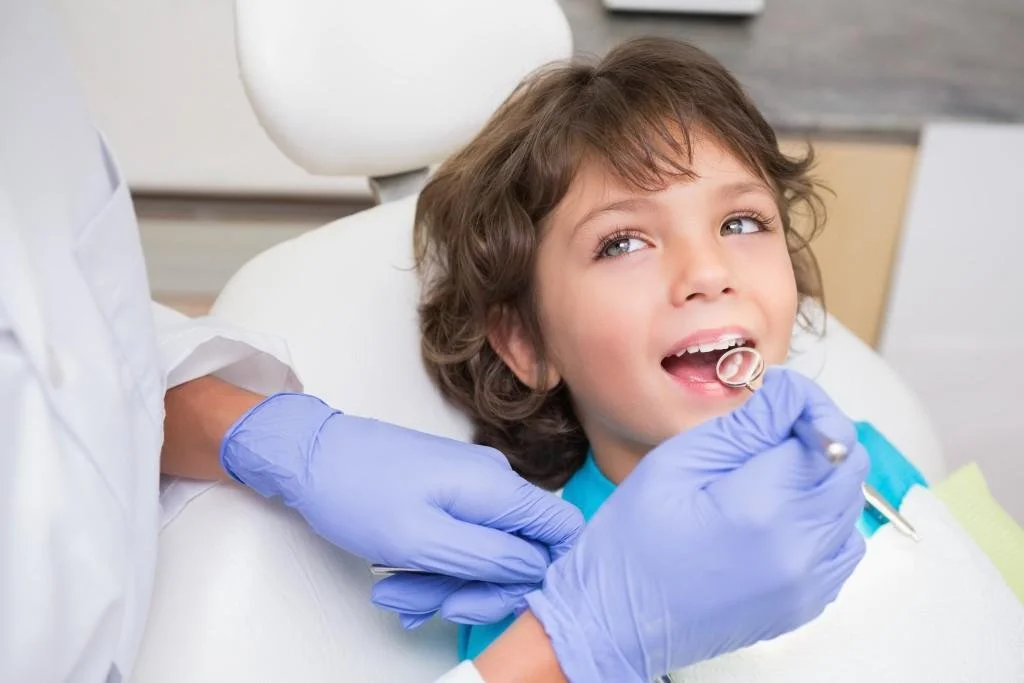
Have you noticed tiny white spots appearing on your child's teeth? While they may look harmless, these chalky patches can sometimes be an early warning sign that your child's tooth enamel is losing important minerals. This process is known as tooth decalcification, and it's something parents should understand to help protect their children's smiles.
The good news? With healthy dental habits, the right nutrition, and regular visits to a trusted pediatric dentist, tooth decalcification can often be prevented or stopped before it develops into a cavity.
At Doctor Sugar, we believe that teaching children good oral hygiene habits early is one of the best ways to build a lifetime of healthy smiles. If you're looking for a kids dentist in Paradise Valley, AZ, here's what you need to know about protecting your child's tooth enamel.
What Is Tooth Decalcification in Children?
Tooth decalcification happens when minerals such as calcium and phosphate are lost from the outer protective layer of the teeth, known as enamel.
Your child's enamel is constantly going through a natural process of losing and regaining minerals. When children eat or drink foods containing sugars and carbohydrates, bacteria in dental plaque produce acids. These acids temporarily weaken the enamel by removing minerals from its surface.
Normally, saliva helps neutralize these acids and restore some of the lost minerals. Fluoride also helps strengthen enamel and supports remineralization.
However, when acid attacks happen too frequently, the enamel may not have enough time to recover. Over time, this can lead to permanent damage and eventually cavities.
What Are the Early Signs of Tooth Decalcification?
One of the earliest visible signs of enamel demineralization is the appearance of white spots on children's teeth.
Parents may notice:
Chalky white patches: Small, opaque areas that look different from the rest of the tooth.
White spots near the gumline: These can sometimes appear where plaque collects along the edges of the teeth.
Changes around braces: Children with orthodontic brackets may develop white spots around the areas where plaque accumulates.
Increased risk of cavities: If mineral loss continues, weakened enamel can eventually develop into a cavity.
Not every white spot means tooth decalcification. Fluorosis, enamel development differences, and other conditions can also cause changes in tooth color. A pediatric dentist can examine the teeth and determine the cause.
7 Ways to Prevent Tooth Decalcification in Children
Protecting your child's enamel doesn't have to be complicated! Small daily habits can make a big difference in keeping their teeth strong and healthy.
1. Brush Twice a Day with Fluoride Toothpaste
Brushing is one of the most important steps in preventing enamel damage.
Fluoride helps strengthen tooth enamel, makes it more resistant to acid attacks, and supports the remineralization process.
Encourage your child to brush for two minutes, twice a day, especially before bedtime. Use the appropriate amount of fluoride toothpaste for their age:
Children younger than 3: A rice-sized smear.
Children ages 3–6: A pea-sized amount.
Parents should supervise brushing to make sure children clean all tooth surfaces and spit out excess toothpaste rather than swallowing it.
2. Limit Sugary Snacks and Drinks
Sugar is one of the biggest contributors to tooth decay.
When bacteria in the mouth consume sugars, they produce acids that attack enamel. The more frequently your child consumes sugary foods and drinks, the more often their teeth are exposed to these acid attacks.
Try limiting:
Candy and chocolate.
Cookies and pastries.
Soda and sports drinks.
Sweetened juices.
Sticky snacks that cling to teeth.
You don't have to eliminate every treat! Instead, try offering sweets occasionally and preferably with meals rather than allowing children to snack on sugary foods throughout the day.
3. Encourage Water Between Meals
Water is one of the best drinks for your child's dental health.
It helps rinse away food particles, supports saliva production, and helps maintain a healthy environment in the mouth.
If your local drinking water contains an appropriate amount of fluoride, it can also provide additional protection against cavities.
Make water your child's go-to drink between meals, especially after playing sports or enjoying a snack.
4. Include Calcium-Rich Foods in Their Diet
Calcium and phosphate are essential minerals for healthy teeth and bones.
A balanced diet that includes calcium-rich foods can support your child's overall dental development.
Some great options include:
Milk and plain yogurt.
Cheese.
Broccoli and leafy green vegetables.
Calcium-fortified foods.
Tofu prepared with calcium salts.
Cheese and other dairy products can also help stimulate saliva production, which plays an important role in protecting enamel.
Remember, healthy eating works best alongside good brushing and regular dental care.
5. Don't Skip Regular Dental Checkups
Regular visits to a pediatric dentist can help identify early signs of enamel demineralization before they become more serious.
During a dental examination, your child's dentist can:
Look for early white spot lesions.
Assess the risk of developing cavities.
Recommend preventive fluoride treatments when appropriate.
Provide personalized brushing and nutrition advice.
Monitor your child's dental development.
Children should generally visit a dentist every six months, although some may need more frequent appointments depending on their individual dental health.
If you live in Paradise Valley, AZ, establishing a relationship with a pediatric dentist can make it easier to stay on top of your child's oral health.
6. Ask Your Dentist About Professional Fluoride Treatments
Sometimes, children need a little extra help protecting their enamel.
Professional fluoride varnish is a preventive treatment that can strengthen enamel and reduce the risk of cavities, particularly in children who are at higher risk.
Your pediatric dentist can determine whether fluoride treatments are appropriate based on your child's age, cavity risk, and dental history.
Avoid giving children fluoride supplements or using concentrated fluoride products without professional guidance. More fluoride is not always better, especially while permanent teeth are developing.
7. Make Brushing a Fun Family Habit!
Let's face it: getting children excited about brushing their teeth isn't always easy!
But building positive routines early can make a big difference.
Try these simple ideas:
Play a two-minute brushing song.
Let your child choose a fun toothbrush.
Use a brushing chart with small rewards.
Brush your teeth together as a family.
Celebrate healthy habits rather than focusing only on cavities.
When children see oral hygiene as a normal part of their daily routine, they're more likely to maintain those habits as they grow.
Can Tooth Decalcification Be Reversed?
Here's some encouraging news: early enamel demineralization can sometimes be stopped or partially reversed through a process called remineralization.
When the enamel surface is still intact, fluoride, saliva, and improved oral hygiene can help restore lost minerals and prevent the lesion from progressing.
However, once a cavity has formed and the tooth structure has physically broken down, the damage cannot be reversed through brushing or toothpaste alone. Professional dental treatment may be necessary.
That's why early detection matters!
If you notice white spots on your child's teeth, don't wait until they experience pain or sensitivity. Schedule a dental evaluation to find out what's happening.
Protect Your Child's Smile with Doctor Sugar in Paradise Valley, AZ
Healthy smiles start with healthy habits! Understanding tooth decalcification is an important step in helping your child avoid cavities and maintain strong enamel.
From fluoride toothpaste and nutritious meals to regular dental checkups, small preventive steps can make a lasting difference.
If you're concerned about white spots on your child's teeth or want to learn more about preventing tooth enamel damage, the team at Doctor Sugar is here to help.
Visit Doctor Sugar to learn more about children's dental health and schedule an appointment with a pediatric dentist in Paradise Valley, AZ.
Give your child a healthy smile that lasts a lifetime!
