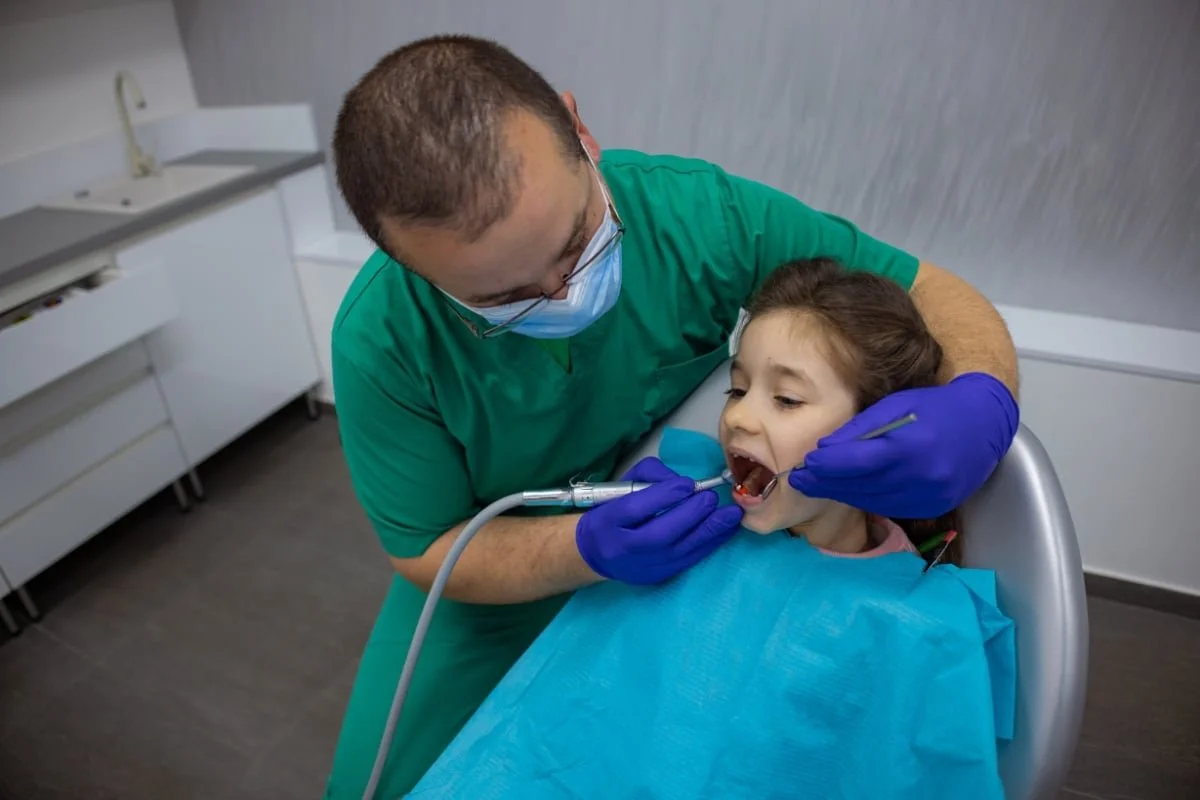
When parents hear the words "root canal," they often imagine a complicated or uncomfortable dental procedure. But did you know that children sometimes need root canal treatment, too?
Although baby teeth eventually fall out, they play an important role in your child's development. They help children chew properly, speak clearly, and maintain the space needed for permanent teeth to grow in the right positions.
Sometimes, deep cavities, dental injuries, or untreated infections can damage the soft tissue inside a tooth, known as the dental pulp. When this happens, a pediatric dentist may recommend a specialized treatment to relieve discomfort, control infection, and potentially save the tooth.
The good news? Recognizing the warning signs early can make a big difference.
If you're a parent in Paradise Valley, AZ, here are five signs that your child may need a pediatric root canal evaluation.
1. Persistent or Spontaneous Toothaches
Occasional tooth sensitivity can happen, but persistent or unexplained tooth pain deserves attention.
If your child frequently complains about a tooth hurting, especially when there is no obvious reason, it could indicate that tooth decay has reached the inner pulp.
Pay attention if your child:
Complains of tooth pain without eating or drinking.
Wakes up during the night because of a toothache.
Experiences pain that comes and goes throughout the day.
Needs frequent pain relief because the discomfort keeps returning.
Pain that occurs spontaneously or wakes a child from sleep can be a warning sign of significant inflammation inside the tooth.
Parent tip: Don't assume the pain will disappear on its own. Even if your child feels better temporarily, the underlying problem may still be present. Schedule an evaluation with a pediatric dentist.
2. Sensitivity to Hot or Cold Foods and Drinks
Does your child suddenly avoid ice cream, cold water, or warm foods because their teeth hurt?
Sensitivity can have several causes, including enamel wear, cavities, exposed dentin, or inflammation of the dental pulp.
One important detail is how long the discomfort lasts.
Brief sensitivity: Pain that disappears quickly after removing the hot or cold stimulus may be associated with a less advanced dental problem.
Lingering sensitivity: Pain that continues after the food or drink is gone may suggest more significant inflammation.
While sensitivity alone doesn't mean your child needs a root canal, persistent symptoms should be evaluated by a dental professional.
A pediatric dentist can determine whether a simple filling, pulp therapy, or another treatment is appropriate.
3. Swollen Gums or a Small Pimple Near a Tooth
Have you noticed a small bump, pimple-like spot, or swelling on your child's gums?
This could be a sign of a dental abscess, which occurs when bacteria cause an infection around the tooth or its root.
Sometimes, an abscess looks like a tiny white or yellow bump on the gum. Other times, you may notice redness, tenderness, or swelling around the affected area.
Other warning signs include:
A small pimple-like bump near a tooth.
Red or swollen gums around one specific tooth.
Pus or an unusual taste in your child's mouth.
Tenderness when touching the area.
A dental abscess should never be ignored. It generally requires prompt professional treatment to address the source of the infection.
Important: If your child develops facial swelling, fever, or appears generally unwell, seek urgent medical or dental attention. Facial swelling associated with a dental infection can require emergency evaluation.
4. A Tooth That Suddenly Turns Gray, Brown, or Dark
A change in tooth color can sometimes tell you more than you think.
If one of your child's teeth suddenly looks gray, brown, or darker than the surrounding teeth, it may indicate previous trauma or damage to the pulp.
For example, children sometimes bump their teeth while playing sports, riding a bike, or falling during everyday activities. Even if the tooth initially appears fine, internal changes can develop over time.
Pay attention if:
A tooth becomes noticeably darker than the others.
The discoloration appears after an accident or dental injury.
The tooth also becomes painful or sensitive.
You notice swelling around the affected tooth.
Not every discolored tooth requires a root canal. However, a pediatric dental examination can help determine whether the pulp is healthy, inflamed, or damaged.
If your child has experienced a dental injury, it's always a good idea to have the tooth evaluated, even if there is no immediate pain.
5. Your Child Avoids Chewing on One Side of Their Mouth
Children don't always know how to explain dental discomfort. Sometimes, their behavior tells you something is wrong before they actually complain.
For example, you might notice that your child:
Chews only on one side of their mouth.
Avoids hard, crunchy, or chewy foods.
Takes longer to finish meals.
Complains when biting down.
Suddenly becomes reluctant to eat certain foods.
These changes may indicate a cavity, a cracked tooth, or inflammation inside the tooth.
When dental decay reaches the pulp, pressure and inflammation can make chewing uncomfortable.
A pediatric dentist can examine the affected area and determine whether your child needs a filling, pulp therapy, or another type of dental treatment.
What Exactly Is a Root Canal for Children?
A pediatric root canal is a dental procedure designed to treat damaged or infected tissue inside a tooth.
Inside every tooth is a soft tissue called the pulp, which contains nerves and blood vessels. When deep tooth decay or an injury damages this tissue, treatment may be necessary to relieve pain and prevent the infection from progressing.
Depending on the child's age and whether the affected tooth is a baby tooth or a permanent tooth, the dentist may recommend different types of pulp treatment.
These include:
Pulpotomy: Removes the affected portion of the pulp while preserving healthy tissue in the remaining part of the tooth.
Pulpectomy: Removes pulp tissue from the crown and root canals of a baby tooth when more extensive treatment is needed.
Root canal treatment: Treats the pulp inside an affected permanent tooth, with the goal of preserving the natural tooth.
The appropriate treatment depends on the extent of the damage, the tooth's development, and the child's individual dental needs. Sometimes, extraction may be the better option.
Why Is Saving Baby Teeth So Important?
You might wonder: Why treat a baby tooth if it's eventually going to fall out anyway?
It's a great question!
Baby teeth serve several important purposes during childhood:
1. They help children chew properly.
Healthy baby teeth allow children to eat a variety of foods and develop good eating habits.
2. They support speech development.
Primary teeth help children form certain sounds and pronounce words correctly.
3. They maintain space for permanent teeth.
Baby teeth act as natural placeholders, helping guide permanent teeth into their proper positions.
4. They support healthy dental development.
Keeping primary teeth healthy can help prevent certain complications associated with premature tooth loss.
Whenever possible, preserving a baby tooth can be beneficial. However, the dentist must evaluate whether the tooth can be safely restored and how long it is expected to remain in place.
How Can Parents Help Prevent the Need for a Pediatric Root Canal?
Prevention is one of the best ways to protect your child's smile.
Although not every dental problem can be avoided, establishing healthy oral hygiene habits can significantly reduce the risk of cavities and dental infections.
Here are a few simple habits to encourage at home:
Brush twice a day: Help your child brush for two minutes using fluoride toothpaste appropriate for their age.
Don't forget to floss: Cleaning between teeth helps remove plaque that toothbrushes cannot reach.
Limit sugary snacks and drinks: Frequent exposure to sugar increases the risk of tooth decay.
Schedule regular dental checkups: Routine visits allow your pediatric dentist to identify cavities and other problems before they become more serious.
Protect their teeth during sports: Use an appropriate mouthguard for activities where dental injuries are possible.
Remember, early detection often means simpler treatment and fewer complications.
When Should You Take Your Child to a Pediatric Dentist?
If your child experiences persistent tooth pain, unusual tooth discoloration, gum swelling, or difficulty chewing, don't wait for the symptoms to disappear.
A pediatric dentist can examine your child's teeth, evaluate the condition of the pulp, and take dental X-rays when appropriate to determine the best treatment.
If your child has facial swelling, fever, or severe pain, seek urgent care rather than waiting for a routine appointment.
You don't need to know whether your child needs a root canal before scheduling a visit. That's what the dental evaluation is for.
Looking for a Pediatric Dentist in Paradise Valley, AZ?
At Dr. Sugar Children's Dentistry, we believe every child deserves a healthy smile and a positive dental experience.
Our goal is to help children feel comfortable during dental visits while educating parents about the importance of preventive dental care.
Whether your child needs a routine checkup, cavity treatment, or an evaluation for a possible dental infection, early attention can make a meaningful difference.
If you've noticed any of the warning signs discussed in this article, consider scheduling an appointment with a trusted pediatric dentist in Paradise Valley, AZ.
A healthy smile starts with early care, good habits, and a little attention from the people who love your child most!
