Why Did My Child Lose Multiple Molars So Close Together? A Pediatric Dentist Explains
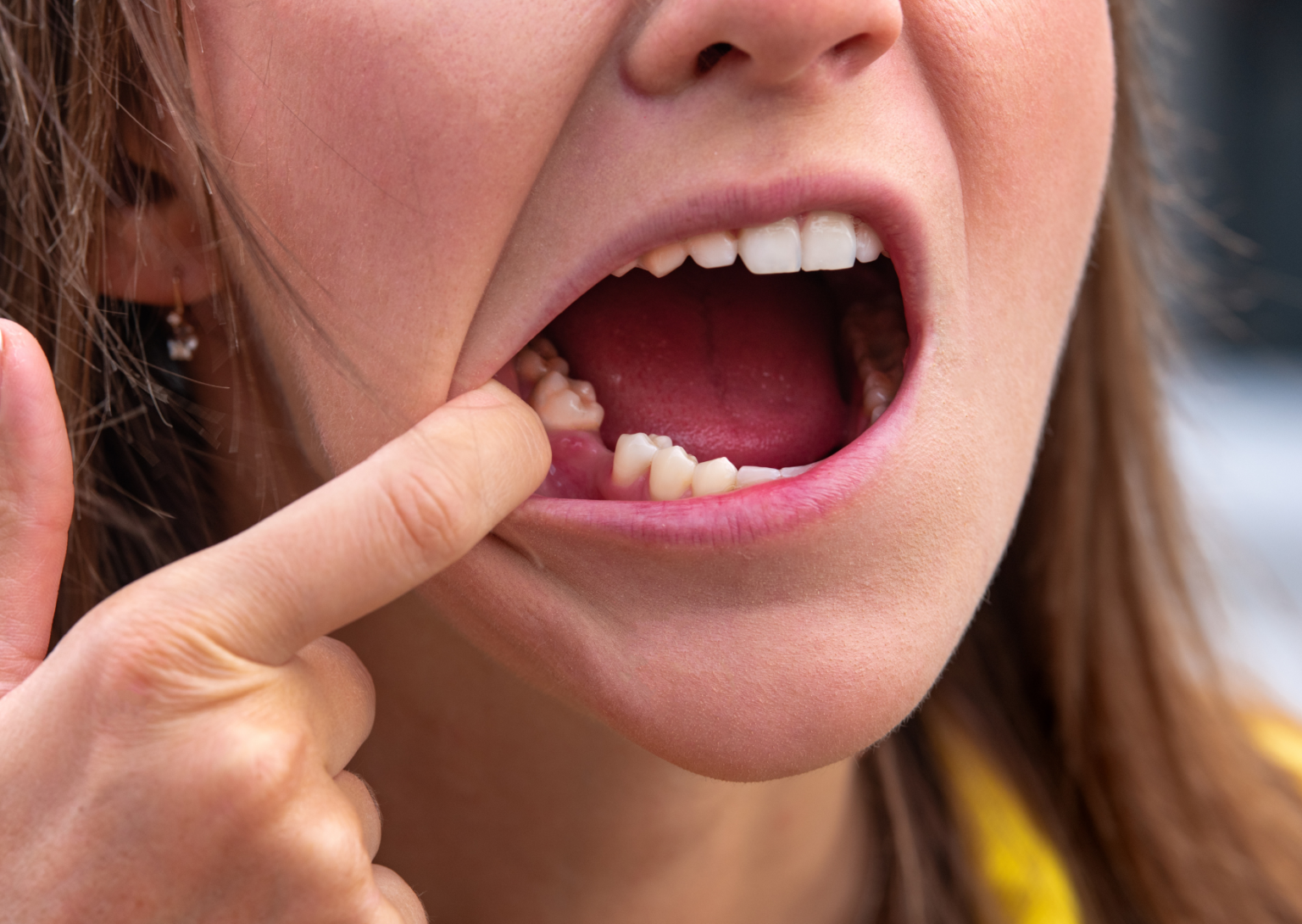
As a parent, it can feel like your child's smile changes overnight. One day they have a full set of baby teeth, and the next they've lost two or even three molars within a matter of weeks. If you're wondering whether this is normal, you're not alone.
The good news is that in many cases, losing multiple baby molars close together is a completely natural part of childhood development. Understanding why it happens can help you feel more confident about your child's dental health and know when it's time to schedule a visit with your trusted kids dentistry provider in Paradise Valley, AZ.
Is It Normal for Multiple Baby Molars to Fall Out Around the Same Time?
Yes! Baby teeth don't always fall out one at a time. While every child develops at their own pace, it's common for several teeth—especially molars—to become loose and fall out within a short period.
Baby molars typically begin falling out between ages 9 and 12, making room for the permanent premolars underneath. Since these teeth often develop in pairs on both sides of the mouth, they may loosen and fall out around the same time.
Why Does This Happen?
Several factors can cause multiple molars to fall out close together:
1. Permanent Teeth Are Erupting
The most common reason is simple: your child's adult teeth are ready to come in. As permanent teeth grow, they dissolve the roots of the baby teeth, causing them to loosen naturally.
2. Natural Growth Patterns
Children often experience growth spurts that affect the timing of tooth eruption. It's perfectly normal for several teeth to follow the same developmental schedule.
3. Genetics
Just like height and eye color, dental development is influenced by genetics. If you or another parent lost several teeth around the same age, your child may follow a similar pattern.
What Can Parents Expect?
When several molars become loose, your child may experience:
Mild tenderness while chewing
Slight gum sensitivity
Temporary gaps in the back of the mouth
Excitement (and maybe a few visits from the Tooth Fairy!)
Most children adjust quickly and continue eating normally after a few days.
Should I Be Concerned?
Although losing multiple baby molars is usually normal, it's a good idea to contact a pediatric dentist if you notice:
Severe pain or swelling
Excessive bleeding
Teeth falling out after an injury
Adult teeth erupting in unusual positions
A baby tooth that seems "stuck" even though the permanent tooth is already visible
Concerns about delayed or unusually early tooth loss
Your pediatric dentist can evaluate your child's dental development and make sure everything is progressing as expected.
How to Help Your Child During This Stage
You can make the process more comfortable by:
Encouraging gentle brushing around loose teeth
Offering softer foods if chewing is uncomfortable
Reminding your child not to forcefully pull out a tooth before it's ready
Maintaining regular dental checkups to monitor healthy tooth eruption
Good oral hygiene remains just as important during this exciting transition.
The Importance of Regular Pediatric Dental Visits
Even when tooth loss appears completely normal, routine exams allow your pediatric dentist to monitor how permanent teeth are coming in. Early evaluation can identify crowding, bite concerns, or spacing issues before they become larger problems.
At Doctor Sugar, our experienced team is dedicated to making every dental visit fun, educational, and stress-free. We proudly provide compassionate kids dentistry in Paradise Valley, AZ, helping families navigate every stage of childhood dental development—from the very first tooth to a confident adult smile.
Schedule Your Child's Next Dental Checkup
If your child has recently lost multiple molars or you have questions about their developing smile, we're here to help. Regular preventive care ensures healthy teeth, healthy gums, and peace of mind for parents.
Contact Doctor Sugar today to schedule an appointment and let our team help your child smile with confidence for years to come.
