What Is the Best Age for Braces? A Pediatric Dentist Explains
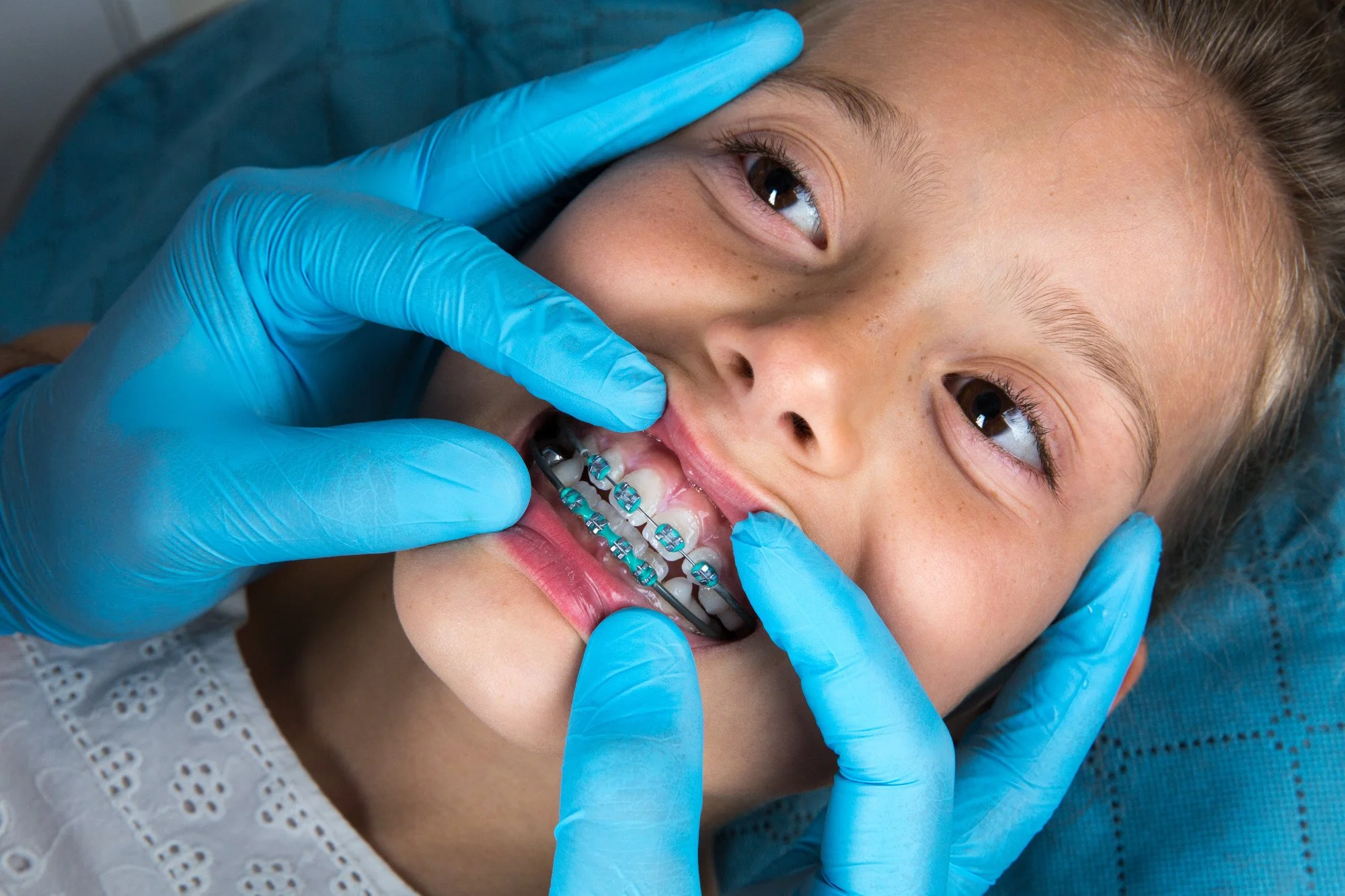
What Is the Best Age for Braces? A Pediatric Dentist Explains
Many parents assume they should wait until all of their child's permanent teeth have come in before thinking about braces. In reality, the best time for an orthodontic evaluation often comes much earlier than most people realize.
At Dr. Sugar, we believe that understanding your child's dental development is one of the best ways to support a healthy, confident smile. If you're wondering when braces might be needed, here's what every parent in Paradise Valley, AZ should know.
Is There a "Perfect" Age for Braces?
There isn't one specific age that's right for every child. Every smile develops differently, and orthodontic treatment depends on factors like jaw growth, tooth eruption, and bite alignment—not just age.
However, many children begin braces between 9 and 14 years old, when most permanent teeth have erupted and the jaw is still growing. During this stage, orthodontic treatment is often more efficient because the teeth are easier to guide into their proper positions.
The key is making sure your child has an evaluation before problems become more difficult to correct.
Why Do Orthodontic Evaluations Start Around Age 7?
Many parents are surprised to learn that the American Association of Orthodontists recommends children have their first orthodontic evaluation by age 7.
By this age, your child typically has:
A mix of baby and permanent teeth
First permanent molars
Permanent front teeth beginning to erupt
Enough jaw development for a dentist to identify potential concerns
An evaluation at age 7 doesn't necessarily mean your child will need braces right away. In fact, many children simply continue with regular monitoring until the timing is right.
Signs Your Child May Need Braces
Some orthodontic concerns are easy to notice, while others are identified during routine dental exams.
You may want to schedule an orthodontic evaluation if your child has:
Crooked or crowded teeth
Large gaps between teeth
Difficulty biting or chewing
Teeth that don't meet properly
Early or delayed loss of baby teeth
Mouth breathing
Thumb sucking that continues beyond the toddler years
Jaws that shift or make noises
Teeth that protrude significantly
Regular visits with your kids dentistry team help detect these issues early.
What Happens During an Orthodontic Evaluation?
An orthodontic evaluation is painless and designed to assess how your child's teeth and jaws are developing.
Your pediatric dentist may evaluate:
Tooth alignment
Bite (how the upper and lower teeth fit together)
Jaw growth
Spacing and crowding
Facial development
Eruption of permanent teeth
Digital X-rays may also be used to see teeth that haven't erupted yet and identify potential concerns before they become visible.
Will My Child Get Braces Right Away?
Not necessarily.
Many children who have an early orthodontic evaluation won't begin treatment for several years. Instead, the dentist may recommend monitoring growth during routine dental visits.
In some cases, however, early orthodontic treatment (Phase 1 treatment) may be beneficial to:
Guide jaw growth
Create space for permanent teeth
Correct severe bite problems
Reduce the risk of trauma to protruding front teeth
Help avoid more complicated treatment later
Every child's needs are unique, which is why personalized care is so important.
Can Waiting Too Long Cause Problems?
Sometimes.
While many orthodontic issues can still be corrected during the teen years, delaying evaluation may allow certain problems to become more severe.
Early monitoring can help identify concerns before they require more extensive treatment, making future orthodontic care simpler and, in some cases, shorter.
How Parents Can Support Healthy Dental Development
Good daily habits play an important role in helping your child's smile develop properly.
Encourage your child to:
Brush twice a day with fluoride toothpaste
Floss daily
Eat a balanced diet rich in calcium and vitamin D
Wear a mouthguard during sports
Attend regular dental checkups every six months
Avoid prolonged thumb sucking or pacifier use as they grow older
Routine preventive care allows your pediatric dentist to monitor changes in your child's bite and recommend orthodontic evaluations at the appropriate time.
Why Regular Dental Visits Matter
Your kids dentistry team is often the first to notice subtle signs that orthodontic treatment may eventually be needed.
By tracking jaw growth and tooth eruption over time, your pediatric dentist can recommend the ideal time for an orthodontic consultation—helping your child achieve the healthiest possible smile with the least amount of intervention.
Helping Paradise Valley Smiles Grow Beautifully
The best age for braces isn't the same for every child, but an early orthodontic evaluation gives your family the advantage of planning ahead. Most children won't need braces at age 7, but many benefit from having their dental development monitored as they grow.
At Dr. Sugar, we're proud to provide compassionate kids dentistry for families throughout Paradise Valley, AZ. Whether your child is ready for braces now or simply needs routine monitoring, our team is here to guide every stage of their smile with personalized, preventive care.
If you have questions about your child's bite, tooth alignment, or whether it's time for an orthodontic evaluation, schedule a visit with Dr. Sugar. Together, we can help your child build a healthy, confident smile that lasts a lifetime.
