What Is a Tongue Tie and How Can It Affect Your Child’s Oral Health?
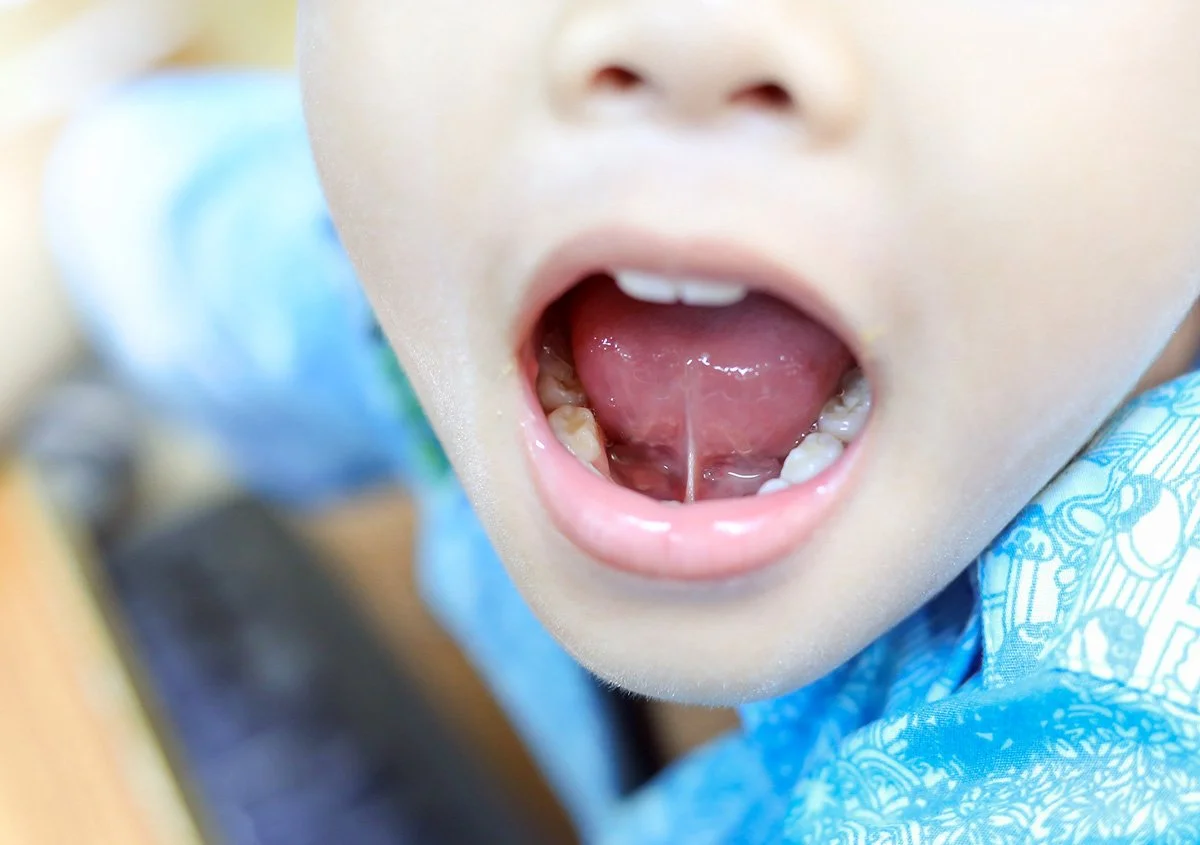
As parents, it’s easy to focus on cavities and brushing habits when thinking about your child’s smile. But sometimes, a small piece of tissue under the tongue — called a frenillo or tongue tie — can have a surprisingly big impact on your child’s oral health, speech, eating habits, and even dental development.
At Dr. Sugar Pediatric Dentistry, families often ask questions about tongue ties and whether treatment is necessary. Understanding the signs early can help parents make informed decisions about their child’s health and comfort.
What Is a Tongue Tie?
A tongue tie, medically known as ankyloglossia, happens when the thin band of tissue connecting the tongue to the floor of the mouth is too short, thick, or tight. This limits how freely the tongue can move.
Some children have very mild tongue ties that cause little or no problem. Others may experience challenges with feeding, speaking, swallowing, or oral hygiene.
Tongue ties are present at birth and can sometimes run in families.
Common Signs of a Tongue Tie in Children
Parents may notice different symptoms depending on their child’s age. Some common signs include:
Difficulty breastfeeding or latching in babies
Clicking sounds while feeding
Trouble sticking the tongue out
Difficulty licking lips or ice cream
Speech challenges with certain sounds
Mouth breathing
Gagging or picky eating
Trouble cleaning food off the teeth naturally with the tongue
Older children may also complain that their tongue feels “tight” or that certain movements are difficult.
How Can a Tongue Tie Affect Oral Health?
Many parents are surprised to learn that a tongue tie can influence kids dentistry and dental development over time.
1. Increased Risk of Cavities
The tongue helps naturally clean the mouth by sweeping away food particles and bacteria. Limited tongue movement can allow more plaque buildup, increasing the risk of cavities and gum irritation.
2. Speech Development Concerns
Some children with tongue ties may struggle to pronounce sounds like:
“L”
“R”
“T”
“D”
“TH”
Not every child with a tongue tie develops speech issues, but some benefit from evaluation by both dental and speech professionals.
3. Bite and Jaw Development
The tongue plays an important role in shaping the mouth as a child grows. Restricted movement may contribute to:
Narrow dental arches
Crowded teeth
Improper swallowing patterns
Orthodontic issues later in life
4. Eating Difficulties
Children with a restrictive frenillo may avoid certain textures or struggle with chewing and swallowing comfortably.
What Is a Frenectomy?
If a tongue tie is causing problems, a pediatric dentist or specialist may recommend a procedure called a frenectomy. This treatment releases the tight tissue under the tongue to improve mobility.
Modern frenectomies are often quick and minimally invasive. Many children recover rapidly and return to normal activities shortly afterward.
Does Every Tongue Tie Need Treatment?
Not always. Some tongue ties are mild and do not interfere with oral function or development. The decision depends on:
Symptoms
Feeding or speech concerns
Oral development
Dental health
Overall quality of life
A professional evaluation can help determine whether monitoring or treatment is the best option.
When Should Parents Schedule an Evaluation?
It may be a good idea to schedule a dental evaluation if your child:
Has feeding difficulties
Shows speech concerns
Struggles with oral hygiene
Snores or mouth breathes frequently
Complains of tongue tightness
Has orthodontic crowding developing early
Early detection can help prevent future complications and support healthier oral development.
Compassionate Kids Dentistry in Paradise Valley, AZ
Every child’s mouth develops differently, and concerns like tongue ties are more common than many parents realize. The good news is that with proper evaluation and guidance, children can often experience significant improvements in comfort, oral health, and function.
At Dr. Sugar Pediatric Dentistry, families in Paradise Valley receive personalized, gentle care focused on helping children build healthy smiles for life. Whether your child has questions about a frenillo, braces, cavities, or preventive care, early attention can make a lasting difference.
