The Weekend Candy Guide for Parents: Which Sweets Are Hardest on Kids’ Teeth?
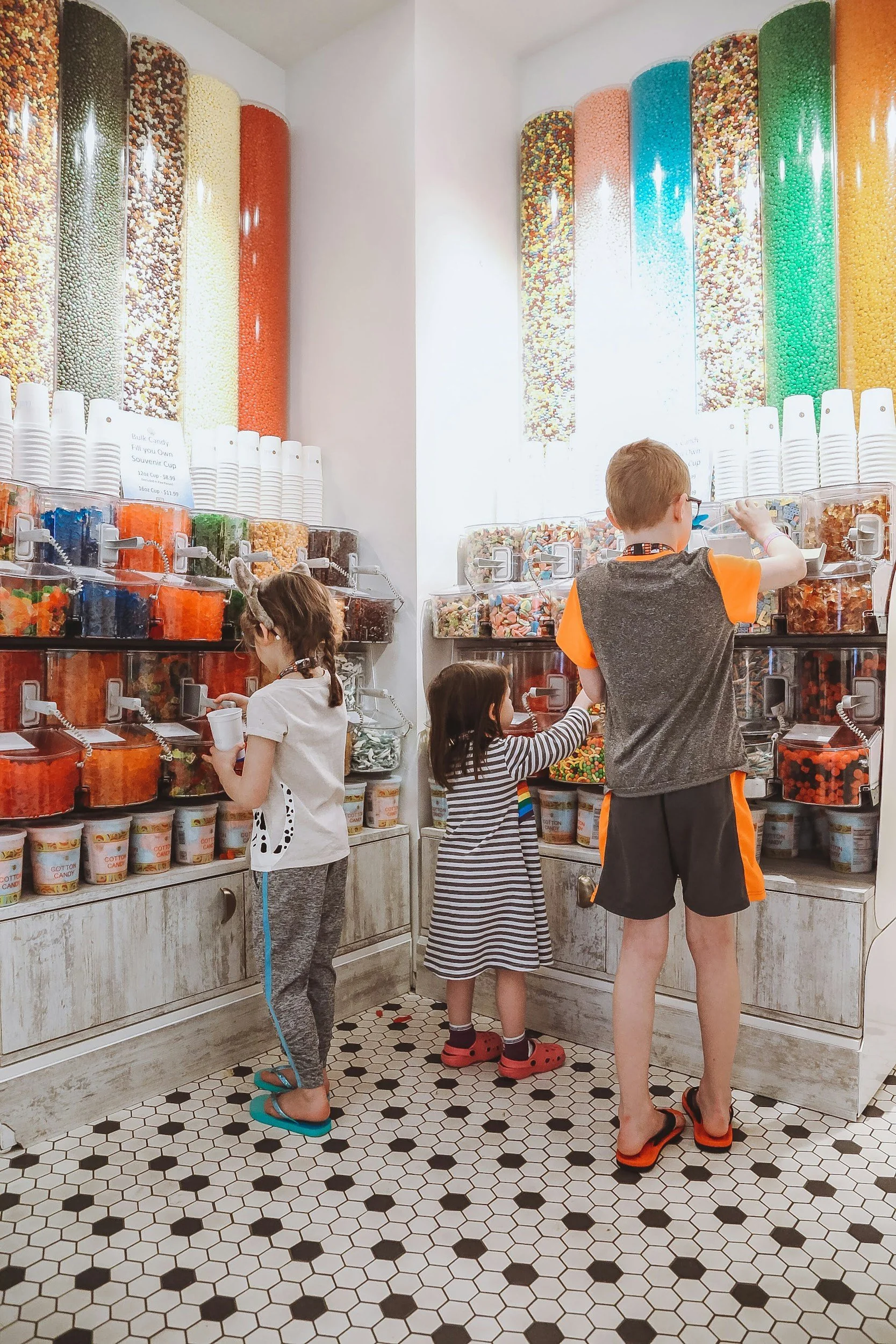
Which candies are actually the hardest on my child’s teeth?
Weekend plans often come with a little extra fun—and for many kids, that means candy. Whether it’s a birthday party, a movie night, a trip to the ice cream shop, or simply a special weekend treat, sweets are a normal part of childhood.
But as a parent, you may wonder: Which candies are actually the hardest on my child’s teeth?
The good news is that you don’t have to ban candy to protect your child’s smile. Understanding which treats are more likely to contribute to cavities can help you make smarter choices while still letting kids enjoy their weekend.
At Dr. Sugar Pediatric Dentistry in Paradise Valley, AZ, we believe children’s dental health is about balance—not taking all the fun out of being a kid.
Why Does Candy Cause Cavities?
The problem with candy isn't simply that it contains sugar.
When children eat sugary foods, bacteria in the mouth can use those sugars to produce acids. These acids can attack tooth enamel and contribute to cavities over time.
One important factor is how long the sugar stays around the teeth.
A piece of candy that dissolves quickly may be less problematic than a sticky treat that clings to the teeth and hides in grooves or between teeth.
Another important factor is frequency.
Eating several pieces of candy throughout the entire afternoon means the teeth are exposed to sugar repeatedly. From a kids dentistry perspective, frequent sugar exposure can be more concerning than having a small sweet treat at one time.
So, what should parents know about different types of candy?
1. Sticky Candy: One of the Toughest on Kids’ Teeth
Think caramel, taffy, chewy fruit candy, gummy candy, and similar treats.
These candies can be especially challenging because they tend to stick to the teeth.
Sticky candy can:
Get trapped between teeth
Stay in the grooves of molars
Remain in the mouth longer
Be difficult for saliva to wash away
Provide a longer-lasting source of sugar for cavity-causing bacteria
This doesn't mean your child can never have gummy or chewy candy. It simply means these treats are better enjoyed occasionally rather than becoming an everyday snack.
2. Hard Candy and Lollipops: The Candy That Lasts and Lasts
Hard candies and lollipops create a different problem.
They may not be as sticky as caramel or gummies, but children often keep them in their mouths for a long time.
The longer a sugary candy stays in the mouth, the longer the teeth are exposed to sugar.
And there's another concern: biting hard candy can put unnecessary stress on teeth.
For children, especially those with developing teeth, it's better to let hard candy dissolve rather than encouraging them to crunch it.
3. Sour Candy: Sweet, Sour, and Tough on Enamel
Sour candies are popular with kids because of their intense flavor. But many sour candies combine sugar with acidity, creating another reason to enjoy them in moderation.
Acid can contribute to enamel erosion, while sugar can feed bacteria that contribute to cavities.
That combination makes sour candy something parents may want to keep as an occasional treat rather than a frequent snack.
4. Chocolate: Often a Better Candy Choice
Here's some good news for chocolate lovers!
Chocolate generally doesn't stick to teeth as long as many chewy or gummy candies.
Plain chocolate that melts relatively quickly can be easier on teeth than a sticky caramel or gummy candy.
That doesn't make chocolate “healthy for teeth”—it still contains sugar—but when choosing between different sweets, a small piece of chocolate may be a more tooth-friendly option than a sticky candy that remains attached to the teeth.
Watch out for chocolate candies filled with caramel, gummies, or other sticky ingredients.
5. Caramel and Toffee: Sticky + Sugary
Caramel and toffee deserve special attention because they combine two things that aren't ideal for children's teeth:
Sugar + stickiness.
They can cling to molars and hide between teeth, making it harder for saliva to naturally clear them away.
If your child enjoys caramel occasionally, encourage them to drink water afterward and maintain their normal brushing and flossing routine.
So, What's the Best Candy for Kids?
There isn't one magical “cavity-proof” candy.
Instead of focusing only on the type of candy, parents should think about three things:
Frequency
Eating candy occasionally is different from having small amounts of candy repeatedly throughout the day.
Stickiness
Sticky candies tend to remain on teeth longer than treats that dissolve or are eaten quickly.
Timing
Having candy as part of or immediately after a meal can be better than allowing children to snack on sugary foods continuously throughout the day.
Meals stimulate saliva production, which helps wash food particles and acids away from the teeth.
The Weekend Candy Rule Parents Can Actually Use
You don't need a complicated system.
Try this simple weekend approach:
Pick a candy time. Enjoy the treat. Drink water afterward. Then return to your normal dental routine.
For example, instead of allowing children to grab one gummy every 30 minutes throughout a Saturday afternoon, consider giving them a small portion of candy after lunch.
This reduces the number of separate sugar exposures while still allowing kids to enjoy their favorite treats.
What Should Kids Drink With Candy?
Water is the easiest choice.
Encourage your child to drink water after eating candy. It can help rinse away some remaining food particles and sugar.
Try to avoid replacing candy with a sugary drink. Juice, soda, sports drinks, and sweetened beverages can add even more sugar exposure throughout the day.
For everyday hydration, water is a simple winner for growing smiles.
What About Brushing After Candy?
Brushing twice a day with fluoride toothpaste remains one of the most important habits for preventing cavities.
But parents don't necessarily need to turn every piece of candy into an immediate brushing emergency.
If your child has just eaten an acidic candy, such as a sour candy, it's generally better to rinse with water and wait before brushing rather than brushing immediately after an acidic exposure.
The bigger goal is consistency: brush twice a day, clean between teeth, drink water, and keep sugary foods from becoming an all-day activity.
A Quick Candy Ranking for Parents
When you're standing in the candy aisle with your child, here's a simple way to think about it:
More challenging for teeth:
Sticky gummies
Caramel
Taffy
Toffee
Sour candy
Hard candy and lollipops
Generally easier to manage:
Small portions of chocolate
Chocolate that doesn't contain sticky fillings
Occasional treats eaten with or after a meal
Remember, this isn't a list of “good” and “bad” foods. It's simply about understanding how different candies interact with children's teeth.
You Don't Have to Say “No” to Every Sweet
One of the most important lessons in children's dental health is that balance matters.
Kids are going to have birthday parties. They're going to eat candy with friends. They're going to discover their favorite dessert.
The goal isn't to make children afraid of sugar.
Instead, parents can teach them that sweets are something to enjoy occasionally—and that taking care of their teeth is part of the deal.
At Dr. Sugar Pediatric Dentistry in Paradise Valley, AZ, we want families to feel confident making everyday decisions about their children's dental health.
So this weekend, let them enjoy the candy.
Just remember:
Less grazing. Less stickiness. More water. Good brushing. Happy smiles.
And if you're ever unsure about your child's risk for cavities, your pediatric dentist can help you create a dental care routine that's right for your child's individual needs.
A healthy smile doesn't require a candy-free childhood—it requires smart habits that kids can carry with them as they grow.
