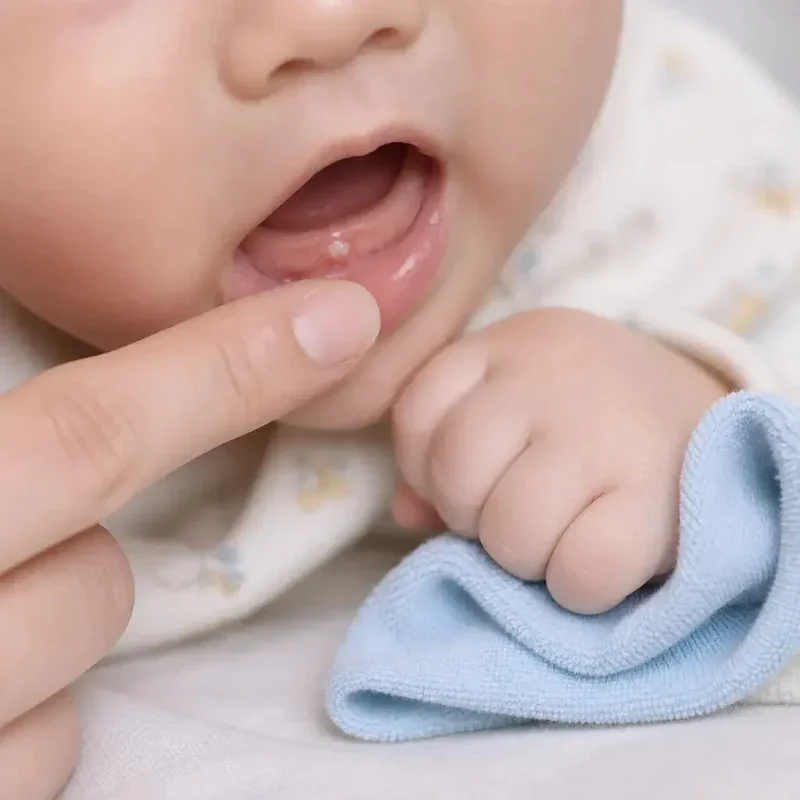
Watching your baby reach new milestones is exciting, and getting that first tiny tooth is certainly one to celebrate! However, teething can also bring a few challenging days and sleepless nights for both babies and parents. From excessive drooling to tender gums and irritability, the teething process can make little ones uncomfortable as their first teeth begin to emerge.
The good news? There are several safe and effective ways to soothe your baby's gums while protecting those precious new teeth. Understanding how teething works and establishing healthy oral care habits early can make a big difference in your child's dental health.
If you're a parent in Paradise Valley, AZ, here's what you should know about helping your baby through teething and building a healthy foundation for a lifetime of beautiful smiles.
When Do Babies Start Teething?
Most babies begin teething around six months of age, although some may get their first tooth as early as three months or closer to their first birthday. Typically, the lower front teeth (central incisors) are the first to appear, followed by the upper front teeth.
By the time children reach approximately three years old, most have a complete set of 20 primary teeth, also known as baby teeth.
Common signs of teething include:
Increased drooling.
Swollen or tender gums.
A strong desire to chew on fingers, toys, or other objects.
Mild irritability or fussiness.
Temporary changes in sleeping habits.
Rubbing the cheeks or ears.
It's important to remember that teething should not cause a high fever, diarrhea, or significant illness. If your baby develops these symptoms, contact your pediatrician rather than assuming they're caused by teething.
7 Ways to Soothe Your Baby’s Gums While Protecting Their First Teeth
1. Offer a Cool (Not Frozen) Teething Toy
A chilled teething ring can provide gentle pressure and help relieve gum discomfort. Choose a solid, baby-safe teething toy made from durable materials, and place it in the refrigerator before offering it to your little one.
Avoid freezing teething toys because extremely cold surfaces can injure sensitive gum tissue. Always supervise your baby while they're using a teether, and inspect it regularly for damage.
2. Gently Massage Their Gums
Sometimes, the simplest solutions work best! Wash your hands thoroughly and gently rub your baby's gums with a clean finger using light pressure.
This gentle massage can temporarily relieve discomfort and help your baby feel more comfortable as teeth begin to emerge.
It's also a wonderful opportunity to get your little one accustomed to having their mouth touched, making future dental care routines easier.
3. Try a Cool, Damp Washcloth
A clean, damp washcloth that has been chilled in the refrigerator can be an excellent teething aid. Let your baby chew on it under close supervision.
The soft texture provides gentle pressure, while the cool temperature helps soothe irritated gums. Make sure the washcloth is clean and free of loose threads or damaged areas.
4. Introduce Age-Appropriate Foods for Babies Who Are Ready for Solids
Once your baby is developmentally ready for solid foods, typically around six months, certain age-appropriate foods may help relieve teething discomfort.
For example, a chilled, soft food offered in a safe texture can provide some relief. Always follow your pediatrician's guidance and supervise your baby during meals.
Avoid hard foods, raw carrots, whole grapes, and other choking hazards. Never leave a baby unattended with food, and don't use food as a teething toy.
5. Keep Their Mouth Clean, Even Before All Their Teeth Appear
Good oral hygiene should begin before your baby's first tooth emerges. Gently clean their gums with a soft, clean, damp cloth after feedings to remove milk residue and help establish a healthy oral care routine.
Once the first tooth appears, start brushing twice a day with a soft-bristled, age-appropriate baby toothbrush and a tiny smear of fluoride toothpaste about the size of a grain of rice.
Although baby teeth are temporary, keeping them clean is essential for preventing early childhood cavities and supporting healthy oral development.
6. Avoid Teething Necklaces and Numbing Products
Not every popular teething remedy is safe for babies. Amber teething necklaces and similar jewelry can present serious choking and strangulation hazards.
Parents should also avoid over-the-counter teething gels containing benzocaine or lidocaine, as well as homeopathic teething tablets. These products may pose health risks and are not recommended for relieving teething discomfort.
If your baby seems especially uncomfortable, ask your pediatrician about safe options rather than experimenting with unverified remedies.
7. Schedule Your Baby’s First Dental Visit
One of the most important steps in protecting your baby's first teeth is scheduling an early dental appointment.
The American Academy of Pediatric Dentistry recommends establishing a dental home when the first tooth appears and no later than your child's first birthday.
During this initial visit, a pediatric dentist can examine your baby's developing teeth, check for early signs of decay, discuss feeding and oral hygiene habits, and help you understand what to expect as more teeth emerge.
Early dental visits also allow parents to ask questions and receive personalized guidance about their baby's oral health.
Why Are Baby Teeth So Important?
It's easy to assume that baby teeth don't require much attention because they'll eventually fall out. However, primary teeth play several important roles in your child's development.
They help children:
Chew and eat comfortably: Healthy teeth allow babies and toddlers to transition to a wider variety of foods as they grow.
Develop clear speech: Baby teeth help children learn to pronounce sounds and form words correctly.
Maintain space for permanent teeth: Primary teeth help guide permanent teeth into their proper positions.
Build confidence: A healthy smile supports positive early experiences as children interact with the world around them.
Untreated cavities in baby teeth can cause pain, infections, difficulty eating, and other complications. That's why establishing good dental habits from the beginning is so important.
Frequently Asked Questions About Baby Teething
Can teething cause a baby to have a fever?
Teething may cause mild gum inflammation and discomfort, but it should not cause a true fever. A temperature of 100.4°F (38°C) or higher should be evaluated by a healthcare professional, especially in young infants.
Should I brush my baby's teeth as soon as they appear?
Absolutely! Begin brushing as soon as the first tooth emerges. Use a soft baby toothbrush and a rice-grain-sized smear of fluoride toothpaste twice daily.
When should my baby first visit a pediatric dentist?
Schedule the first dental visit when the first tooth appears or by your baby's first birthday, whichever comes first. Early appointments help identify potential problems and establish healthy habits.
Can nighttime bottles cause cavities?
Yes. Frequent exposure to milk, formula, juice, or other sugary liquids during sleep can increase the risk of early childhood tooth decay. Avoid putting your baby to bed with a bottle containing anything other than water once appropriate for their age and feeding needs. Never compromise necessary infant feedings; ask your pediatrician or pediatric dentist for guidance.
Give Your Baby's Smile a Healthy Start!
Teething is a natural part of growing up, but that doesn't mean parents have to navigate it alone. From offering chilled teethers and gently massaging tender gums to establishing daily brushing habits, small steps can make a big difference in your baby's comfort and long-term dental health.
Remember, healthy smiles start early! If you're looking for guidance on infant oral care, teething, or your baby's first dental visit, a pediatric dentist can help you feel confident about every stage of your child's dental development.
For families looking for trusted kids dentistry in Paradise Valley, AZ, Doctor Sugar is here to help make early dental care a positive experience for little smiles and their parents. Give your baby's first teeth the attention they deserve and build healthy habits that can last a lifetime!
