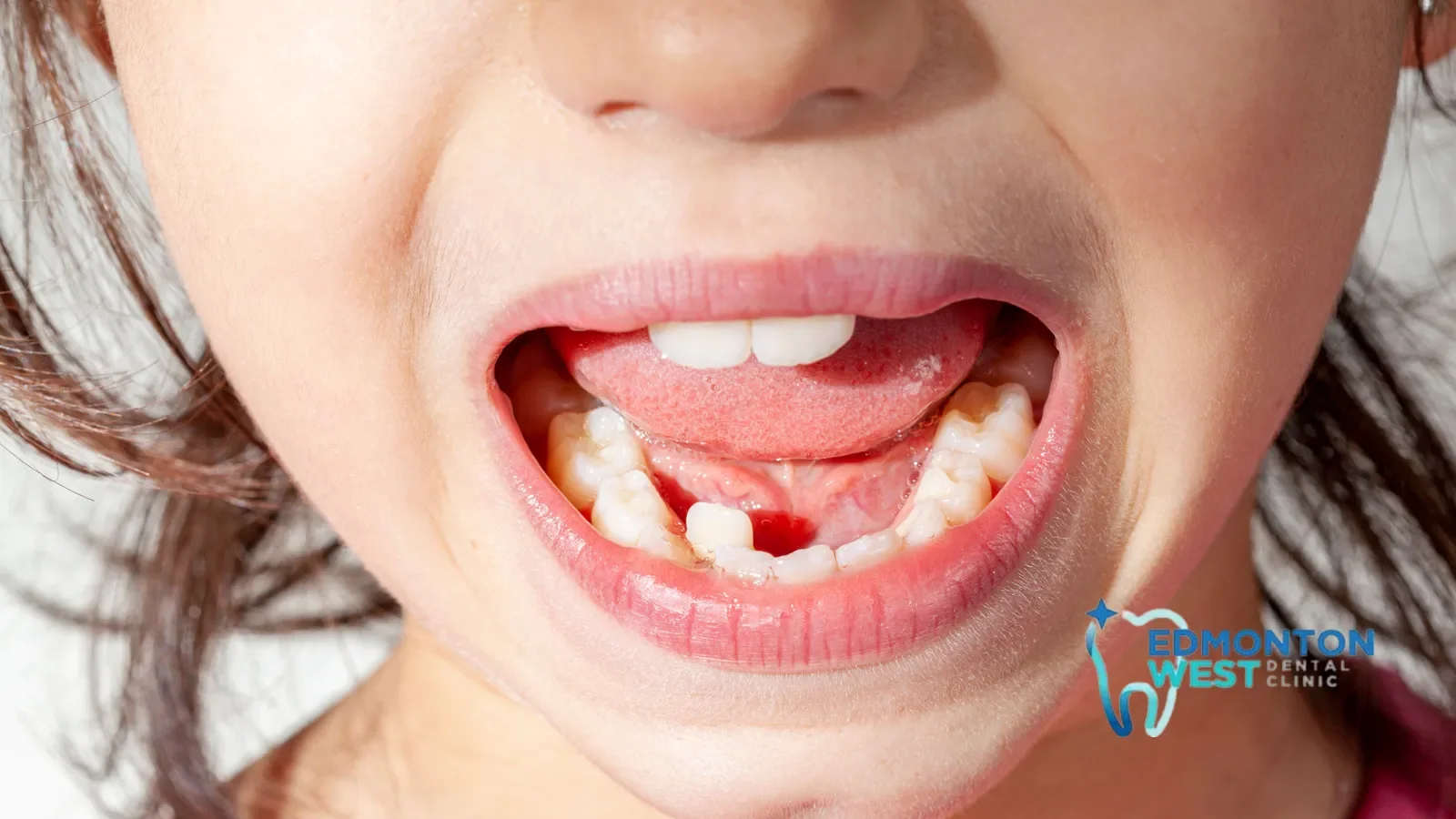
Have you noticed your child's new adult teeth coming in crooked, overlapping, or looking a little too big for their smile? You may wonder whether their mouth is simply too small to fit all those teeth. It's a common question for parents, especially during the years when baby teeth begin making way for permanent ones.
The truth is that jaw development plays an important role in how children's teeth grow, fit together, and align over time. Genetics, tooth size, and the growth of the upper and lower jaws can all influence your child's smile.
For families looking for kids dentistry in Paradise Valley, AZ, understanding these changes can help you recognize what's normal, know which signs deserve attention, and understand when a dental evaluation may be helpful.
Let's explore how children's jaws develop, why crowded teeth happen, and what parents can do to support a healthy, growing smile.
Why Do Some Children Have Crowded Teeth?
Crowded teeth occur when there isn't enough space in the dental arch for all the teeth to align comfortably. Instead of growing in a relatively straight row, teeth may overlap, twist, or erupt out of position.
Several factors can contribute to dental crowding in children.
1. Tooth Size and Jaw Size
One of the most common explanations involves the relationship between tooth size and jaw size.
A child may inherit relatively large teeth from one parent and a smaller jaw from the other. When the permanent teeth begin erupting, there may not be enough room for them to fit into the available space.
This doesn't necessarily mean that the jaw is growing incorrectly. It simply means that tooth size and available space don't always match perfectly.
2. Natural Growth and Development
Children's mouths change significantly as they grow. Their jaws develop, baby teeth fall out, and permanent teeth gradually emerge.
During this transition, a child's smile may temporarily look crowded or uneven. Some changes are part of normal dental development, while others may benefit from closer monitoring.
Your pediatric dentist can evaluate how your child's teeth are erupting and whether the available space appears adequate for the remaining permanent teeth.
3. Early Loss of Baby Teeth
Baby teeth do more than help children chew and speak. They also help maintain space for the permanent teeth developing underneath them.
When a baby tooth is lost earlier than expected because of decay, injury, or another dental problem, neighboring teeth may shift into the empty space. This can reduce the room available for the permanent tooth.
In some cases, a dentist may recommend a space maintainer to help preserve that room until the permanent tooth is ready to erupt.
4. Genetics and Family Dental History
Have you or your partner needed braces? Do crowded teeth seem to run in your family?
Genetics can influence jaw size, tooth size, the timing of tooth eruption, and the way the upper and lower teeth fit together.
Although family history doesn't determine exactly how your child's smile will develop, it can be useful information to share with your pediatric dentist.
How Does Jaw Development Affect a Child's Smile?
The upper and lower jaws provide the foundation for your child's teeth. As these structures grow, they influence the amount of space available for teeth and how the bite comes together.
When the jaws and teeth develop in proportion to one another, the teeth generally have a better opportunity to align within the dental arches.
However, differences in jaw growth or the relationship between the upper and lower jaws can contribute to certain dental concerns, including:
Crowded teeth: Teeth overlap or rotate because there isn't enough room for them to align.
Crossbite: Some upper teeth bite inside the lower teeth instead of outside them.
Overbite or underbite: The upper and lower front teeth overlap too much or the lower teeth sit in front of the upper teeth.
Uneven tooth alignment: Teeth erupt in positions that make the bite look or feel uneven.
Limited space for permanent teeth: Developing adult teeth may have difficulty finding room as they emerge.
These conditions can have different causes, and not every child with crowded teeth has a small jaw. A dental examination is the best way to understand what's happening in your child's individual case.
What Are the Signs That Your Child May Have Limited Space for Their Teeth?
Parents don't need to measure their child's jaw or determine whether their teeth are developing correctly at home. However, there are a few changes worth mentioning during a dental appointment.
Adult Teeth Growing Behind Baby Teeth
Sometimes, a permanent tooth begins emerging behind a baby tooth before the baby tooth has fallen out. This can create the appearance of two rows of teeth, sometimes called "shark teeth."
This is relatively common, particularly with the lower front teeth. In many cases, the baby tooth eventually loosens and falls out naturally.
If the baby tooth remains firmly in place, the permanent tooth appears significantly out of position, or you're unsure what to do, ask your child's dentist to evaluate it.
Teeth That Overlap or Twist
If your child's permanent teeth are coming in at unusual angles or overlapping neighboring teeth, there may be limited space in the dental arch.
Some irregularity is common as permanent teeth emerge, so a crowded-looking smile doesn't automatically mean orthodontic treatment is needed.
A pediatric dentist can monitor the eruption pattern and help determine whether the crowding is likely to improve, remain stable, or require further evaluation.
An Uneven Bite
Pay attention to how your child's upper and lower teeth meet when they close their mouth gently.
If some teeth seem to bite inside others, the jaw appears to shift when biting, or your child regularly struggles to bring their teeth together comfortably, mention it at their next dental visit.
These observations can help the dentist determine whether a bite problem needs further assessment.
Difficulty Chewing Comfortably
Children may occasionally have difficulty chewing because of loose baby teeth or other temporary changes. However, persistent discomfort, difficulty biting into food, or a noticeable change in how your child chews deserves attention.
A dental professional can check whether the concern is related to tooth position, the bite, or another oral health issue.
Can a Child's Jaw Grow Enough to Accommodate Permanent Teeth?
This is one of the biggest questions parents ask when they notice crowded teeth.
The jaws continue developing throughout childhood and adolescence, but natural growth doesn't guarantee that every permanent tooth will have enough room to align properly.
Some children develop enough space as their jaws and dental arches change. Others continue to experience crowding as more adult teeth erupt.
That's why regular dental checkups are important during the transition from baby teeth to permanent teeth. Your child's dentist can observe these changes over time rather than making recommendations based on a single snapshot of their smile.
If the dentist identifies a significant concern, they may recommend an orthodontic evaluation to assess jaw growth, tooth alignment, and bite development.
What Is a Palatal Expander, and Does Every Child With Crowded Teeth Need One?
You may have heard about palatal expanders, orthodontic appliances designed to widen the upper jaw in certain growing children.
A palatal expander may be considered when an orthodontist identifies a narrow upper jaw or a bite problem that could benefit from expansion.
Depending on the child's needs, treatment may help improve the relationship between the upper and lower dental arches and create additional space within the upper jaw.
However, a palatal expander isn't the right solution for every child with crowded teeth. Crowding can result from several different factors, and treatment depends on the specific cause, the child's growth, and the condition of the teeth and bite.
Other children may benefit from monitoring, space maintenance, braces, or a different approach altogether.
The first step is an individual evaluation—not assuming that a particular appliance is necessary.
When Should Parents Consider an Orthodontic Evaluation?
You don't need to wait until every permanent tooth has erupted before asking about your child's jaw and dental development.
The American Association of Orthodontists recommends that children have their first orthodontic checkup by age seven. At this stage, a child usually has a mixture of baby teeth and permanent teeth, allowing an orthodontist to identify certain developing concerns.
An early evaluation doesn't mean your child will need braces immediately. In many cases, the recommendation is simply to monitor growth and determine the most appropriate time for any future treatment.
Consider asking your pediatric dentist whether an orthodontic evaluation may be helpful if your child has:
Noticeable or increasing dental crowding.
A crossbite, underbite, or pronounced overbite.
Permanent teeth erupting significantly out of position.
Baby teeth that are lost unusually early.
Difficulty biting or chewing comfortably.
A bite that appears uneven or shifts when closing.
A family history of significant orthodontic concerns.
Your child's dentist can help determine whether further evaluation is appropriate based on their age, dental development, and individual needs.
How Can Parents Support Healthy Dental Development at Home?
Although parents cannot control every aspect of jaw growth, everyday habits can help protect their children's oral health.
Keep Up With Regular Dental Visits
Routine pediatric dental appointments allow the dental team to monitor tooth eruption, jaw development, bite alignment, and overall oral health.
These visits also provide an opportunity to identify cavities or dental injuries that could affect baby teeth and the space needed for permanent teeth.
Encourage Healthy Oral Hygiene Habits
Help your child brush twice a day with fluoride toothpaste appropriate for their age, and encourage daily flossing once their teeth touch.
Healthy teeth and gums support your child's overall dental development and help reduce the risk of cavities that could lead to premature tooth loss.
Address Prolonged Oral Habits
Thumb sucking and prolonged pacifier use can influence the position of the teeth and the way the bite develops, particularly when these habits continue as a child grows.
If your child still sucks their thumb or uses a pacifier beyond the expected early-childhood years, ask your pediatric dentist for age-appropriate guidance.
Avoid shaming or punishing your child. Gentle encouragement and professional advice can help you decide how to address the habit.
Don't Try to Correct Crowding at Home
If a permanent tooth appears crooked or crowded, don't attempt to push it into position or pull a baby tooth without appropriate guidance.
The safest approach is to have your child's dentist evaluate the situation and recommend the next step if necessary.
Helping Your Child's Smile Grow With Confidence
Crowded teeth can raise questions, especially when permanent teeth seem too large for your child's mouth. But every smile develops differently, and a crowded appearance doesn't automatically mean there's a serious problem or that treatment is immediately necessary.
The important thing is to understand how your child's teeth and jaws are developing over time.
Regular dental visits give your pediatric dentist an opportunity to monitor tooth eruption, identify potential bite concerns, and recommend an orthodontic evaluation when appropriate.
At Dr. Sugar, Children's Dentistry in Paradise Valley, AZ, we believe that helping children develop healthy smiles starts with preventive care, individualized attention, and clear guidance for parents.
If you've noticed crowded teeth, an uneven bite, or changes in your child's developing smile, schedule a dental appointment to discuss your concerns. Our team can help you understand what may be happening and whether additional evaluation is recommended.
A little attention to your child's dental development today can help you make informed decisions about their smile as they grow.
