s Your Child’s Toothbrush Doing Its Job? 7 Signs It’s Time for a Better One
When was the last time you really looked at your child’s toothbrush?
Not just the fun character on the handle or whether your child likes the color, but the bristles, size, shape, and overall condition?
For many parents, the toothbrush is one of those things that gets replaced only when it is completely worn out—or when someone remembers that it has been sitting in the bathroom for way too long!
But your child’s toothbrush is an important part of their daily oral hygiene routine. A brush that is worn, too large, uncomfortable, or difficult for your child to control may make it harder to clean every surface of their teeth effectively.
The good news? You don't need to buy the most expensive toothbrush on the shelf.
You simply need to make sure your child's toothbrush is soft, age-appropriate, comfortable, and in good condition.
Here are seven signs that it may be time for a better toothbrush.
1. The Bristles Are Bent, Frayed, or Flattened
This is probably the easiest sign to spot.
Take a look at your child's toothbrush. Are the bristles still standing fairly straight, or do they look like they have been through a tiny tornado?
If the bristles are:
Frayed
Bent
Flattened
Splayed out to the sides
Missing or damaged
…it is probably time for a replacement.
The American Dental Association recommends replacing toothbrushes approximately every three to four months, or sooner when the bristles become visibly worn. As bristles wear down, the toothbrush becomes less effective at cleaning.
Parent tip:
Make toothbrush replacement easy to remember by connecting it to something that already happens regularly, such as the beginning of a new season, a birthday, or the start of a school term.
2. Your Child Has to Scrub Really Hard
More pressure does not necessarily mean cleaner teeth.
Some children brush as if they are trying to remove permanent marker from a wall!
But brushing aggressively can irritate the gums. Children generally should use a soft-bristled toothbrush and gentle brushing technique rather than relying on force.
If you notice your child pressing extremely hard, try showing them how to use gentle, short movements instead.
You can even make it into a game:
“Can you brush all your teeth without making the toothbrush bend?”
The goal is thorough brushing—not aggressive brushing.
3. The Toothbrush Is Too Big for Their Mouth
Children's mouths come in different sizes, and a toothbrush that is too large can make brushing unnecessarily difficult.
A child-sized toothbrush with a small head can make it easier to reach areas that are easy to miss, including the back teeth. The ADA specifically recommends a toothbrush with a small enough head to maneuver comfortably inside a child's mouth.
If your child constantly struggles to reach their back teeth or says the toothbrush feels uncomfortable, check the size of the brush head.
Sometimes, the problem isn't your child's brushing technique.
It may simply be the wrong-sized toothbrush.
4. Your Child Can't Hold or Control It Comfortably
Have you ever watched your child brush and noticed that the toothbrush seems almost as big as their hand?
A toothbrush handle should be comfortable for your child to hold and control.
If the handle is too thin, too slippery, too bulky, or simply uncomfortable, your child may have trouble maneuvering the brush around their mouth.
This is especially important for younger children who are still developing the coordination needed to brush effectively.
Look for an age-appropriate toothbrush with a handle that feels secure in your child's hand.
And remember: younger children often still need help from an adult.
Learning to brush independently takes time!
5. Your Child Complains That Brushing Hurts
Brushing should not regularly hurt.
If your child frequently says that their toothbrush hurts their gums or mouth, don't automatically assume they are simply trying to avoid brushing.
There may be several possible explanations.
For example, your child could be:
Brushing too aggressively
Using a toothbrush with bristles that are too firm
Experiencing irritated gums
Dealing with tooth sensitivity
Developing a cavity or another dental problem
Soft bristles are generally recommended for children because they clean effectively while minimizing irritation to the gums.
If discomfort continues even after switching to a soft toothbrush and using gentler brushing, talk with your child's pediatric dentist.
Pain during brushing is worth investigating.
6. Your Child Consistently Misses Certain Areas
Here's a simple experiment.
Next time your child brushes, watch—not to criticize, but to observe.
Does your child consistently brush only the front teeth?
Do they rush through the back teeth?
Do they forget the inside surfaces?
Do they brush for 20 seconds and declare themselves finished?
Children are still learning how to clean every part of their mouths. The toothbrush itself can sometimes make that easier or harder.
A small, appropriately sized brush head can help children reach the back teeth and other difficult areas.
And for younger children, parents should continue helping or supervising brushing rather than expecting them to do everything independently.
Think of it as teamwork:
Your child practices. You make sure the job gets done.
7. Your Child Simply Hates Using It
This one may sound less scientific—but it matters.
If your child absolutely refuses to use their toothbrush because it feels uncomfortable, is difficult to hold, or makes brushing unpleasant, changing the toothbrush may make the routine easier.
Of course, not every brushing complaint means the toothbrush is the problem.
Sometimes kids simply don't want to stop playing.
That's normal!
But giving your child some ownership can help. Let them choose between two appropriate toothbrushes, for example:
“Do you want the blue one or the green one?”
Both choices are acceptable, but your child gets to participate in the decision.
A toothbrush doesn't have to be fancy to be effective. Sometimes a comfortable handle, a fun design, and a brush that feels good in your child's mouth are enough to make brushing a little less of a battle.
What Should You Look for in a Children's Toothbrush?
You don't need to spend a fortune to find a good toothbrush.
When choosing a toothbrush for your child, look for:
Soft bristles
Soft bristles are the standard recommendation for children and help minimize irritation to the gums.
A small brush head
The head should be small enough to comfortably move around your child's mouth and reach the back teeth.
A comfortable handle
Your child should be able to hold and control the toothbrush without struggling.
An age-appropriate design
Manufacturers often create different toothbrush sizes for different ages. Follow the manufacturer's age recommendations and your pediatric dentist's advice.
A toothbrush your child will actually use
This might be the most important feature of all.
A toothbrush sitting untouched in the bathroom isn't doing much good!
How Often Should You Replace Your Child's Toothbrush?
A good general rule is every three to four months.
However, don't wait for the calendar if the bristles are already frayed or flattened. Replace the toothbrush sooner if it looks worn.
You should also follow any personalized recommendations from your child's dentist, particularly if your child has orthodontic appliances or specific oral health needs.
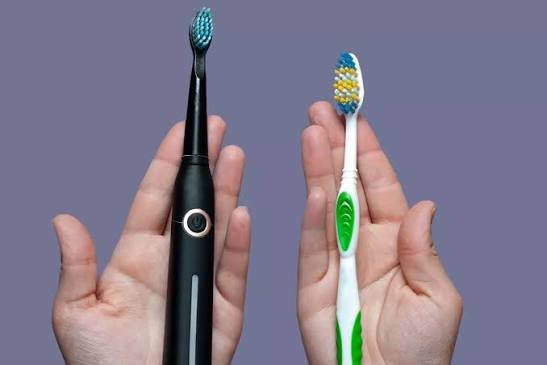
What About Manual vs. Electric Toothbrushes?
Parents often wonder whether they should switch their child to an electric toothbrush.
The answer is: either can work.
Both manual and powered toothbrushes can be effective when used correctly. The important things are proper technique, consistency, brushing twice a day, and using fluoride toothpaste as recommended for your child's age.
An electric toothbrush may be helpful for some children who have difficulty with brushing technique, rush through brushing, or enjoy having a timer.
But a simple manual toothbrush can also do an excellent job.
If you're curious about the differences, your pediatric dentist can help you decide what makes sense for your child.
Don't Forget the Most Important Part: How Your Child Brushes
Even the perfect toothbrush can't replace good brushing habits.
The ADA recommends brushing twice a day for two minutes with fluoride toothpaste. Children should generally use an age-appropriate amount of toothpaste and have adult assistance or supervision depending on their age and ability.
And once your child's teeth touch each other, cleaning between them becomes an important part of their oral hygiene routine.
So when you are checking the toothbrush, check the routine too.
Ask yourself:
Is my child brushing twice a day?
Are they reaching all areas of the mouth?
Are they brushing gently but thoroughly?
Do they still need my help?
These questions are often more important than whether the toothbrush has the latest technology.
When Should Your Child See a Pediatric Dentist?
If your child regularly complains that brushing hurts, has bleeding or swollen gums, develops tooth sensitivity, or you notice areas that are consistently difficult to clean, it is a good idea to mention it to their pediatric dentist.
Regular dental visits allow a pediatric dental team to monitor your child's teeth and gums, identify problems early, and provide personalized advice about brushing and oral hygiene. The American Academy of Pediatric Dentistry recommends regular checkups, with the frequency determined by the child's individual oral health needs.
Your child's dentist can also take a look at their toothbrush technique and help you determine whether a different brush, brushing method, or other oral hygiene tool would be helpful.
The Bottom Line: The Right Toothbrush Makes Brushing Easier
Your child's toothbrush doesn't need to be expensive, complicated, or packed with technology.
It needs to be comfortable, appropriately sized, soft-bristled, and in good condition.
So tonight, take a look at your child's toothbrush.
Are the bristles still in good shape?
Is the brush small enough for their mouth?
Can they hold it comfortably?
Are they able to reach all of their teeth?
And most importantly—are they actually using it?
A few small changes can make the daily brushing routine easier and help your child build habits that support a healthy smile for years to come.
If you have questions about your child's toothbrush, brushing technique, or overall oral health, a pediatric dentist in Paradise Valley, AZ can help you choose the right tools and approach for your child's growing smile.
