Pillow Drool in Children: When It’s Normal and When to See a Kids Dentistry Specialist in Paradise Valley, AZ
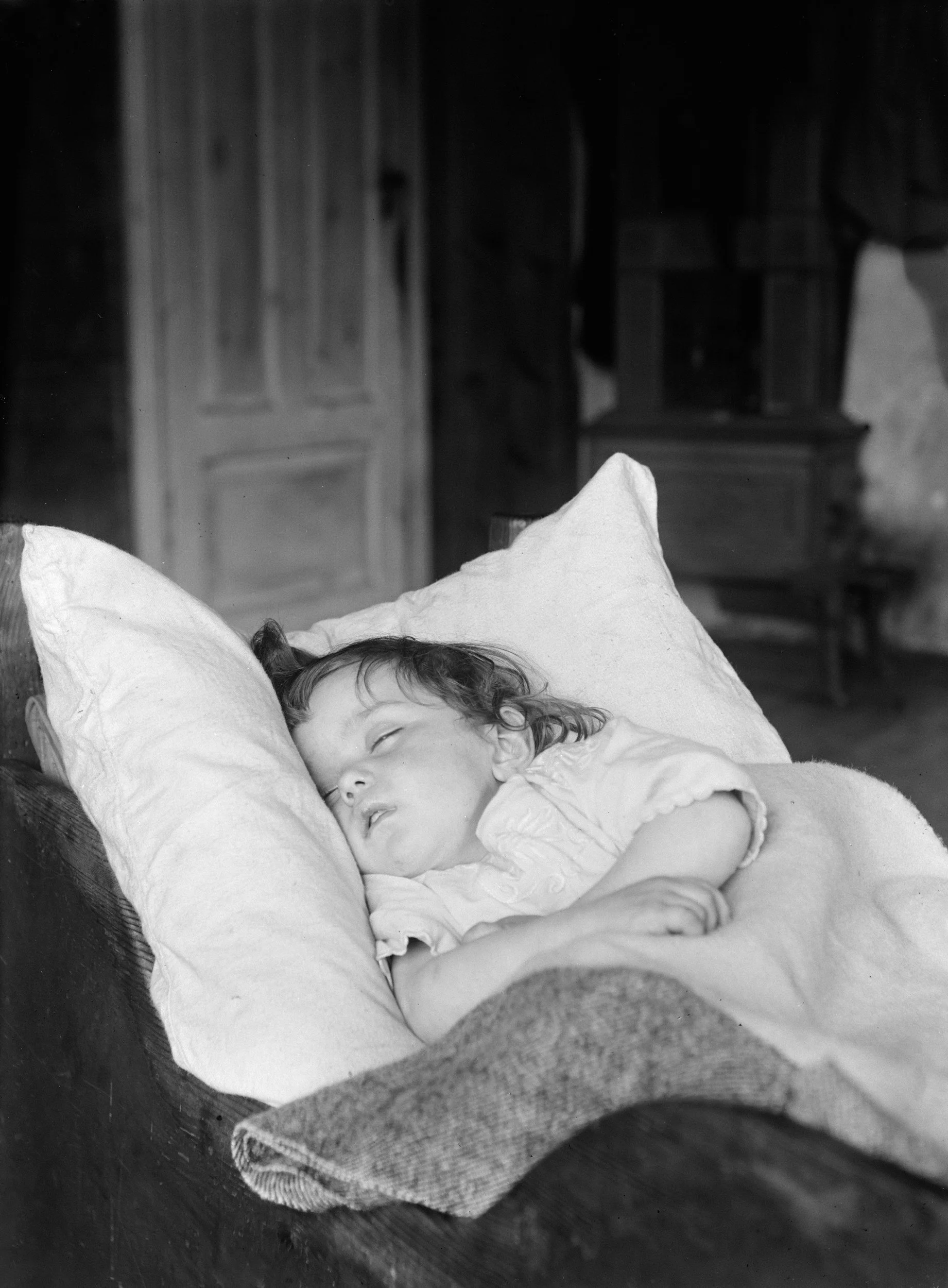
If you’ve ever picked up your child’s pillow in the morning and found a little (or not-so-little!) wet spot, you’re definitely not alone. Pillow drooling is incredibly common in children, especially during deep sleep. But while most of the time it’s nothing to worry about, there are moments when drooling can be a sign of something going on beneath the surface—sometimes even related to their oral health.
As a parent in Paradise Valley, AZ, knowing what’s normal and when to schedule a visit with your kids dentistry specialist can make all the difference. Let’s break it down!
Why Kids Drool at Night: The Common (and Harmless) Reasons
Kids drool in their sleep for several totally normal reasons:
1. Deep Sleep = Relaxed Muscles
During deep sleep cycles, the facial and mouth muscles relax, making it easier for saliva to escape. Kids spend more time in deep sleep than adults—so more drool happens!
2. Sleeping Position
Children who sleep on their sides or stomachs are more likely to drool because gravity does its job. Back sleepers drool less.
3. Teething (for younger ones)
Extra saliva production during teething can lead to drooling—day and night.
4. Allergies or Mild Nasal Congestion
If your child can’t comfortably breathe through their nose, they may sleep with their mouth open, which encourages drooling.
All of these are normal and harmless. But sometimes drooling can hint at something else—especially when it happens a lot or very suddenly.
When Nighttime Drooling Might Be a Dental Health Issue
Excessive drooling can sometimes be linked to issues that a kids dentistry expert in Paradise Valley, AZ should evaluate. Here’s what to watch for:
1. Mouth Breathing
If your child sleeps with their mouth open regularly, this can dry out the mouth and increase drooling.
Mouth breathing can be related to:
Enlarged tonsils or adenoids
Allergies
Bite or jaw development issues
Doctor Sugar’s practice often sees this in growing kids—and early evaluation helps protect healthy facial and dental development.
2. Tongue-Tie or Lip-Tie
A restricted tongue or lip can make proper swallowing difficult, causing saliva to pool and spill during sleep.
3. Bite or Jaw Alignment
If the teeth or jaw aren’t aligned well, it can affect how the mouth closes—leading to nighttime drooling.
4. Acid Reflux
Reflux can increase saliva production in some children, creating nighttime drool.
5. Enlarged Tonsils
This causes difficulty breathing at night, promoting mouth breathing and drooling.
If you notice heavy drooling paired with snoring, restless sleep, bad breath, or daytime fatigue, it’s time to check in with a specialist.
How a Kids Dentistry Specialist in Paradise Valley, AZ Can Help
At Doctor Sugar Kids Dentistry, your child’s oral development, airway health, and comfort are always the priority. A visit can help you understand:
Whether the drooling is normal
If the airway is functioning properly
How the tongue and jaw are developing
Whether early orthodontic intervention might help
If a habit, like mouth breathing, needs attention
Using a gentle, kid-friendly approach, the team can identify the root cause and create a plan to support healthy breathing, sleeping, and dental development.
What Parents Can Do at Home
You can also help minimize nighttime drooling with simple steps:
Encourage nasal breathing during the day
Use a cool-mist humidifier at night
Ensure allergies are managed
Keep up regular dental visits
Encourage good posture and tongue positioning
Small habits can make big improvements!
When Should You Schedule a Checkup?
If your child’s pillow drool is:
Excessive
New or suddenly much worse
Paired with mouth breathing
Combined with snoring, trouble sleeping, or daytime tiredness
Accompanied by speech challenges
Creating skin irritation
—it’s time to see a kids dentistry specialist in Paradise Valley, AZ to rule out oral or airway concerns.
Final Thoughts
Pillow drool in children is usually nothing to worry about—but as a parent, trusting your instincts is key. If something feels off, or if you want peace of mind, scheduling a visit with Doctor Sugar Kids Dentistry can help ensure your child’s teeth, bite, and airway are developing exactly as they should.
