Is Your Child Drinking Enough Water? 7 Signs Dehydration Can Affect Their Teeth
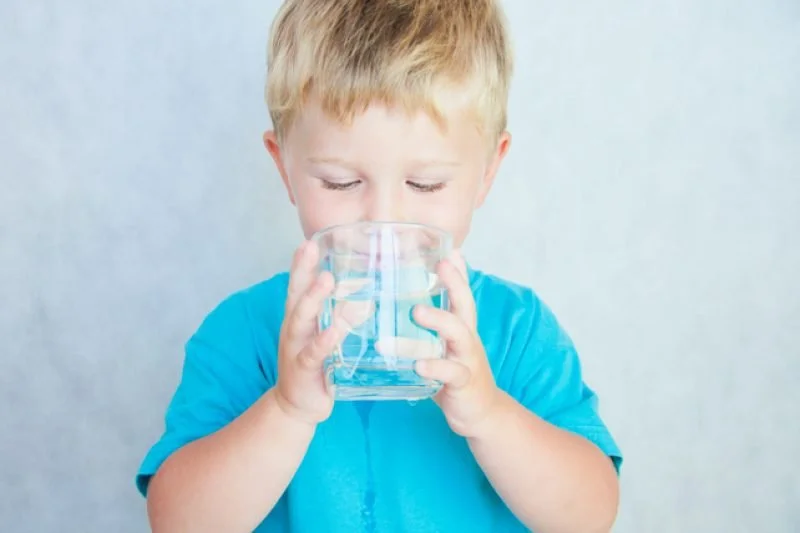
Does your child reach for water throughout the day, or do they usually choose juice, sports drinks, or flavored beverages instead?
Hydration is important for every growing child, but parents may not realize that drinking enough water can also support good oral health. Your child's mouth depends on saliva to help wash away food particles, neutralize acids, and protect the teeth.
When a child becomes dehydrated, their mouth may produce less saliva. This can lead to a dry mouth and create an environment where bacteria and food debris remain around the teeth longer.
For families looking for kids dentistry in Paradise Valley, AZ, understanding the connection between hydration and oral health can help you build healthier habits at home.
Here are seven signs that your child's hydration habits may be affecting their mouth.
1. Your Child Complains of a Dry or Sticky Mouth
One of the most noticeable signs of dehydration is a dry or sticky feeling in the mouth.
Saliva plays an important role in protecting children's teeth. It helps rinse away food particles and provides natural protection against the acids produced by oral bacteria.
When your child isn't drinking enough fluids, saliva production can decrease, leaving the mouth feeling unusually dry.
If your child frequently says, "My mouth feels dry," encourage them to drink water and pay attention to whether the problem continues.
Persistent dry mouth can have several possible causes, so it's worth discussing with your child's pediatric dentist if it doesn't improve.
2. Bad Breath Becomes More Noticeable
Have you noticed that your child's breath smells worse than usual?
Dehydration can contribute to bad breath because a dry mouth provides less saliva to help cleanse the mouth.
Saliva naturally helps remove food particles and bacteria. When there is less of it, bacteria can accumulate more easily on the tongue and around the teeth.
However, persistent bad breath isn't always caused by dehydration. It can also be associated with plaque buildup, gingivitis, cavities, certain foods, mouth breathing, or other conditions.
If your child's bad breath continues despite good brushing and hydration, a dental checkup can help determine the cause.
3. Your Child Drinks Lots of Sugary Beverages Instead of Water
Sometimes the issue isn't simply that a child isn't drinking enough—it is what they're drinking.
Juice, soda, sports drinks, sweetened teas, flavored drinks, and other sugary beverages can expose teeth to sugar and, depending on the drink, acids.
Oral bacteria use sugars to produce acids that can contribute to tooth enamel breakdown and cavities.
Water, on the other hand, doesn't provide sugar for those bacteria.
For everyday hydration, water is one of the simplest choices you can offer your child.
A simple swap
Instead of:
Juice → water
Soda → water
Sweetened sports drink → water
You can also make water more appealing by using a fun reusable bottle or adding naturally flavorful ingredients such as fresh fruit.
4. Your Child Has More Plaque Buildup
Plaque is a sticky film of bacteria that constantly forms on teeth.
Brushing twice a day and cleaning between the teeth help remove it, but saliva also plays an important role in keeping the mouth clean.
When the mouth is dry, food particles and bacteria may remain around the teeth and gums longer.
This doesn't mean that dehydration directly causes plaque, but inadequate hydration can contribute to a dry-mouth environment that makes oral cleanliness more challenging.
If you notice persistent plaque buildup despite regular brushing, talk with your child's children's dentist about their brushing and flossing routine.
5. Your Child's Lips and Mouth Seem Dry
Dry, cracked lips can be one visible clue that your child needs more fluids.
While dry lips aren't specifically a dental diagnosis—and can have many causes—they may occur alongside dehydration and a dry mouth.
Encourage your child to drink water regularly, particularly after physical activity or spending time outdoors.
This is especially relevant in a warm, dry climate like Paradise Valley, AZ, where children can lose fluids through sweating during outdoor activities.
6. Your Child Has Fewer Bathroom Breaks
Dental health isn't the only reason to pay attention to hydration.
If your child is drinking very little and urinating less frequently than usual, it may be a sign that they're not getting enough fluids.
Children who are active outdoors may need to pay particular attention to replacing fluids throughout the day.
A good habit is to make water easily available rather than waiting until your child says they're thirsty.
For younger children, parents can encourage regular water breaks during school, sports, playtime, and family outings.
7. Your Child Is Experiencing More Tooth Sensitivity
Tooth sensitivity has many possible causes, so dehydration shouldn't automatically be blamed.
However, a persistently dry mouth can change the environment inside the mouth and reduce some of saliva's protective functions.
If your child complains that their teeth hurt when they eat something cold, hot, sweet, or acidic, it's worth mentioning it to their dentist.
Sensitivity can sometimes be associated with cavities, enamel wear, gum problems, or other dental concerns that need professional evaluation.
Why Is Saliva So Important for Children's Teeth?
You might think of saliva as something that simply makes it easier to swallow food, but it does much more.
Saliva helps:
Wash food particles away from the teeth
Lubricate the mouth
Support comfortable chewing and swallowing
Help neutralize acids in the mouth
Provide minerals that support tooth enamel
Maintain a healthy oral environment
That's one reason hydration is an important part of children's dental health.
Water doesn't replace brushing, flossing, fluoride, or regular dental visits—but it can support all of those healthy habits.
How Much Water Does Your Child Need?
There isn't one exact amount of water that every child needs.
Fluid requirements vary depending on age, body size, activity level, temperature, diet, and overall health.
Children who are playing sports or spending a lot of time outside in hot weather may need additional fluids.
Rather than focusing only on a specific number of glasses, parents can encourage children to make water their regular drink throughout the day.
If you have questions about how much fluid your child needs, particularly during illness or intense physical activity, talk with your child's pediatrician.
Water vs. Juice: Which Is Better for Teeth?
For everyday hydration, plain water is generally the most tooth-friendly choice.
Juice can contain significant amounts of naturally occurring or added sugars, depending on the product. Even 100% fruit juice contains natural sugars that can contribute to tooth decay when teeth are frequently exposed to them.
This doesn't necessarily mean children can never have juice.
Instead, parents can focus on frequency and portion size while making water the default beverage.
A simple routine might look like:
Breakfast: Water or milk
School: Water
After sports: Water
Between meals: Water
Occasional treat: Juice or another beverage
Small changes can make a meaningful difference over time.
What About Sports Drinks?
Sports drinks are often marketed toward active children and athletes, but they aren't necessarily needed for every activity.
Many contain sugar and acids that can contribute to dental erosion and cavities when consumed frequently.
For most everyday activities, water is a simple way to replace fluids.
If your child participates in prolonged or particularly intense athletic activity, ask their pediatrician or another qualified healthcare professional whether a sports drink is appropriate.
Easy Ways to Help Your Child Drink More Water
Getting children to drink more water doesn't have to become a daily battle.
Try these simple strategies:
Give Them Their Own Water Bottle
Let your child choose a reusable bottle they like. Having water available makes it easier to sip throughout the day.
Keep Water Within Reach
Put a water bottle in your child's backpack, sports bag, or favorite spot at home.
Make Water More Interesting
Add slices of strawberries, oranges, cucumber, or other fruit for natural flavor.
Lead by Example
Children notice what adults drink. If they see parents regularly choosing water, it becomes a normal part of the family's routine.
Create Water Breaks
Encourage a quick drink before school, during outdoor play, after sports, and before bedtime.
Don't Forget the Rest of the Oral Health Routine
Drinking water is helpful, but it isn't a substitute for the basics of kids dentistry.
A healthy children's oral-care routine should include:
Brushing twice a day with fluoride toothpaste
Cleaning between teeth regularly
Choosing tooth-friendly snacks
Limiting frequent sugary drinks and snacks
Drinking water throughout the day
Visiting the dentist regularly
These habits work together to help protect developing teeth.
When Should You Call Your Child's Dentist?
If your child has occasional thirst or a dry mouth after running around outside, offering water may be all they need.
But persistent oral symptoms deserve attention.
Contact your child's pediatric dentist in Paradise Valley, AZ if you notice:
Persistent dry mouth
Ongoing bad breath
Frequent tooth sensitivity
Tooth pain
Visible cavities or dark spots
Bleeding or swollen gums
Difficulty eating because of mouth discomfort
Oral symptoms that don't improve with better hydration and oral hygiene
A dental professional can determine whether the symptoms are related to hydration, oral hygiene, tooth decay, gum health, or another issue.
The Bottom Line: Water Is a Simple Habit for a Healthier Smile
Your child's water bottle may be doing more for their smile than you realize.
Staying hydrated supports saliva production and a healthy oral environment, while choosing water instead of frequently sipping sugary beverages can reduce the amount of sugar and acid that comes into contact with developing teeth.
For parents, the goal doesn't have to be perfection.
Start with simple habits: keep water available, make it the default drink, brush twice a day, clean between the teeth, and keep regular dental appointments.
Together, these everyday choices can help your child build a strong foundation for lifelong oral health.
Looking for Kids Dentistry in Paradise Valley, AZ?
Regular dental visits are an important part of keeping your child's smile healthy as they grow. A pediatric dentist can monitor your child's developing teeth, identify potential problems early, and help your family establish age-appropriate oral-health habits.
If you're looking for kids dentistry in Paradise Valley, AZ, Doctor Sugar is here to help families make children's dental care a positive part of growing up.
