Does Your Child Chew on Everything? What This Habit Could Mean for Their Dental Health | Pediatric Dentist in Paradise Valley, AZ
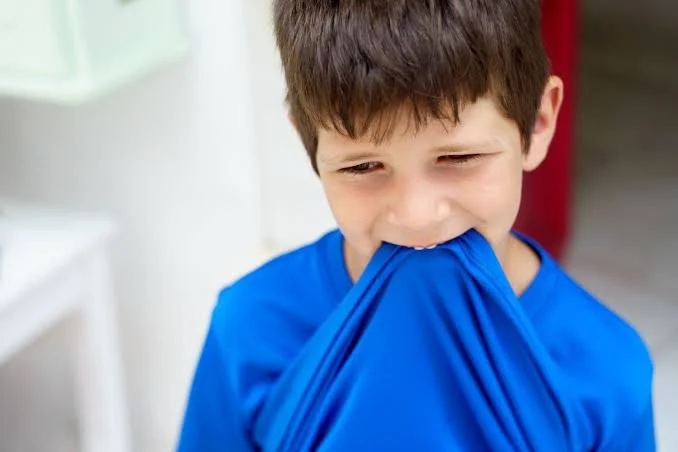
If your child seems to treat every pencil, shirt collar, toy, or random household object like a snack, you’re definitely not alone!
Does Your Child Chew on Everything? What This Habit Could Mean for Their Dental Health
If your child seems to treat every pencil, shirt collar, toy, or random household object like a snack, you’re definitely not alone! Many children go through phases of chewing on things that aren’t food. While occasional chewing can be completely normal, frequent chewing may sometimes tell parents something about their child’s oral habits, development, or dental health.
So, when should you simply laugh it off—and when should you talk to a pediatric dentist in Paradise Valley, AZ?
Let’s take a closer look.
Why Do Kids Chew on Everything?
Children may chew on objects for many different reasons. For younger kids, chewing can be part of normal oral development. Babies and toddlers often explore their environment through their mouths, while older children may continue chewing as a comforting or sensory habit.
Some common reasons children chew on non-food objects include:
Teething: Babies and toddlers may chew to relieve pressure or discomfort in their gums.
Exploration: Young children naturally use their mouths to learn about objects around them.
Self-soothing: Some children chew when they are tired, nervous, bored, or frustrated.
Sensory stimulation: Chewing can provide sensory input that some children find calming or satisfying.
Habit: Sometimes chewing simply becomes a routine that continues after the original reason disappears.
Understanding why your child is chewing can help you determine whether it's simply a passing childhood habit or something worth discussing with a kids dentist in Paradise Valley, AZ.
Is Chewing on Things Bad for Your Child’s Teeth?
It depends on what your child is chewing, how often they do it, and how forcefully they bite.
Soft objects may not cause significant problems, but hard items can potentially damage teeth. Frequent chewing may contribute to:
Chipped or Cracked Teeth
Pencils, hard plastic toys, and other rigid objects can put excessive pressure on children's teeth. A strong bite on a hard object can potentially chip or crack a tooth.
Increased Tooth Wear
Constant chewing can place additional stress on the teeth. Over time, repetitive habits may contribute to unusual wear patterns.
Jaw Discomfort
Chewing constantly or biting down forcefully may place extra strain on the jaw muscles and joints. If your child complains of jaw soreness or has difficulty opening or closing their mouth, it's worth mentioning to their pediatric dentist.
Bacteria Exposure
Some objects children chew aren't exactly clean. Toys, clothing, pencils, and other frequently handled objects can carry bacteria that aren't meant to spend time inside your child's mouth.
What If Your Child Chews Their Clothes?
Chewing on shirt collars, sleeves, or other clothing is surprisingly common among children.
If your child occasionally chews on their clothing, there's usually no reason to panic. However, if it happens frequently, you may want to observe when and why it occurs.
Does your child chew when they're:
Watching TV?
Doing homework?
Riding in the car?
Feeling anxious?
Getting tired?
Concentrating?
Noticing a pattern can help parents understand whether chewing is connected to boredom, concentration, stress, or sensory needs.
If you're concerned, mention the habit during your child's next kids dentistry appointment in Paradise Valley, AZ.
What About Chewing Pencils?
Pencil chewing is another classic childhood habit—and one parents should try to discourage.
Besides potentially damaging teeth, chewing pencils can create a choking hazard or cause injuries if the pencil breaks. Encourage your child to keep pencils out of their mouth and offer an age-appropriate alternative for sensory chewing if appropriate.
A pediatric dentist can also check for signs of tooth wear or small chips that may not be obvious at home.
Could Chewing Be Related to Dental Problems?
Sometimes, unusual chewing behaviors can occur alongside an oral issue.
For example, a child may chew or bite objects because their mouth feels uncomfortable or because they're seeking pressure around their teeth and gums.
Parents should pay attention if chewing is accompanied by:
Tooth sensitivity
Tooth pain
Gum swelling or bleeding
Difficulty eating
Complaints about their bite
Frequent headaches or jaw discomfort
Visible tooth damage
Changes in chewing or eating habits
These symptoms don't necessarily mean there's a serious dental problem, but they are good reasons to schedule an evaluation with a pediatric dentist in Paradise Valley, AZ.
How Can Parents Help Stop the Habit?
The goal isn't necessarily to tell your child, "Stop chewing!" every few minutes. Constant reminders can sometimes make a habit more frustrating for everyone.
Instead, try these strategies:
1. Look for the Trigger
Pay attention to when your child chews. Is it during stressful situations? While concentrating? When they're tired?
Identifying the trigger is often the first step toward changing the habit.
2. Keep Unsafe Objects Out of Reach
Small objects, sharp items, hard toys, and other potentially dangerous objects shouldn't be available for chewing.
3. Offer a Safe Alternative
For children who seek sensory input, an age-appropriate, purpose-designed chewable item may be an option. Ask your child's healthcare provider or pediatric dentist whether one is appropriate.
4. Encourage Positive Habits
Praise your child when they remember to keep objects out of their mouth. Positive reinforcement can work better than repeatedly pointing out the behavior.
5. Keep Up With Regular Dental Visits
Regular kids dentistry appointments allow a pediatric dentist to monitor your child's teeth, gums, bite, and oral development—and identify problems before they become bigger concerns.
When Should You Call a Pediatric Dentist?
Occasional chewing is usually not something parents need to worry about. But it's worth bringing up with your child's dentist if the habit is frequent, persistent, or causing problems.
Schedule a dental evaluation if you notice tooth damage, persistent jaw discomfort, pain, sensitivity, difficulty eating, or significant changes in your child's oral habits.
A pediatric dentist in Paradise Valley, AZ can evaluate your child's smile and help determine whether the chewing is simply a habit or whether something else may be contributing to it.
Healthy Habits Start Early
Kids have plenty of interesting ways of exploring the world—and chewing on everything can be one of them! While many children eventually outgrow the habit, parents can help protect their smiles by encouraging safe behaviors, watching for warning signs, and maintaining regular dental care.
From your child's first teeth through their growing permanent smile, establishing healthy oral habits early can make a big difference.
If you're looking for kids dentistry in Paradise Valley, AZ, regular visits with a pediatric dentist can help keep your child's teeth strong, healthy, and ready for all the adventures ahead.
