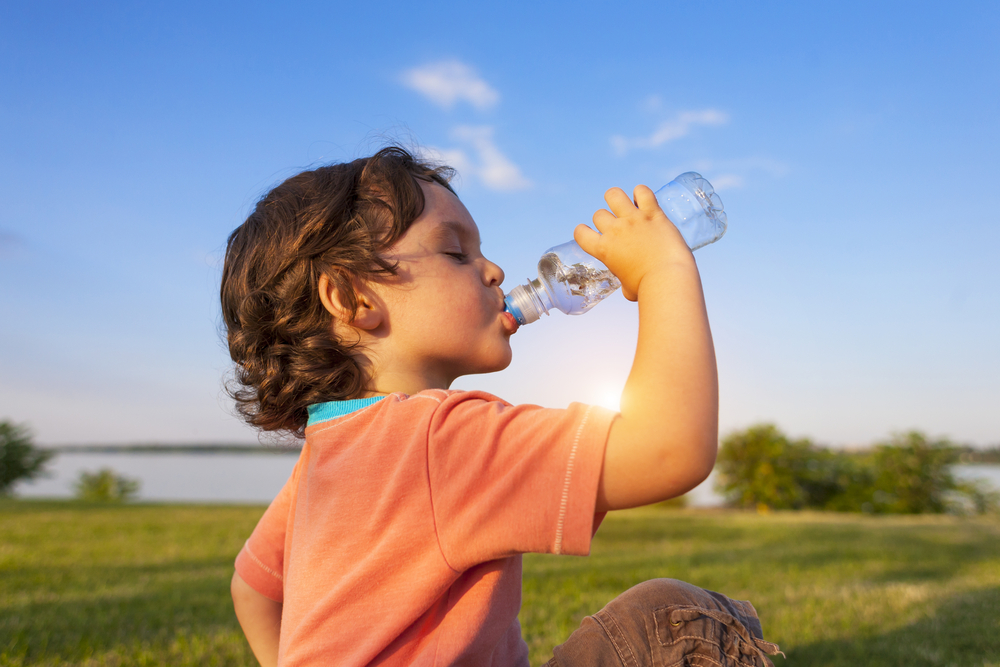
Children love staying active. Whether they play soccer, basketball, hockey, or spend afternoons running around outside, keeping them hydrated is an important part of supporting their health. But when your child reaches for a brightly colored sports drink after practice, have you ever wondered what it might be doing to their teeth?
Sports drinks are often marketed as essential for hydration and athletic performance. However, many contain added sugars and acids that can contribute to tooth decay and enamel erosion when consumed frequently.
The good news? Parents don't have to eliminate every favorite drink to protect their children's smiles. Understanding how sports drinks affect teeth and making a few simple changes can help keep young athletes healthy from the inside out.
At Dr. Sugar's Children's Dentistry, we believe that educating families about everyday habits is an important part of preventive care. If you're looking for practical kids dentistry advice in Paradise Valley, AZ, here's what you should know about sports drinks and your child's dental health.
Can Sports Drinks Cause Cavities in Children?
Yes, sports drinks can contribute to cavities, especially when they contain added sugar and children consume them frequently throughout the day.
Here's how it happens.
Everyone has bacteria naturally living in their mouth. When children consume sugary drinks, certain bacteria use those sugars to produce acids. These acids attack tooth enamel, the protective outer layer of the teeth.
Repeated acid attacks can gradually weaken enamel and increase the risk of tooth decay.
Sports drinks can also be acidic even when they contain little or no sugar. Acidic beverages may soften and wear away enamel over time, a process known as dental erosion.
The important distinction: Cavities and enamel erosion are different problems. Cavities develop when tooth structure breaks down through the decay process, while erosion involves the direct chemical wearing away of enamel by acids.
Some sports drinks can contribute to both.
For parents, the takeaway is simple: the type of drink matters, but so does how often your child consumes it.
5 Ways Sports Drinks Can Affect Your Child's Teeth
1. Added Sugar Can Feed Cavity-Causing Bacteria
Many popular sports drinks contain added sugar to provide carbohydrates during physical activity.
Although these drinks may be useful in certain athletic situations, the sugar can also feed bacteria that contribute to tooth decay.
When children regularly drink sugary beverages, especially between meals or throughout the day, their teeth may experience repeated acid attacks.
Parent tip: Check the Nutrition Facts label before buying sports drinks. Look at both the total sugar and added sugar content. If your child doesn't need a sports drink for their activity, plain water is generally the better everyday option.
2. Acids Can Weaken Tooth Enamel
Sugar isn't the only concern.
Many sports drinks contain acids that give them their tangy flavor and help create their characteristic taste. These acids can soften the enamel surface, particularly when teeth are exposed repeatedly.
Unlike some other tissues in the body, tooth enamel does not grow back once it has been permanently lost.
That makes protecting enamel especially important during childhood, when healthy habits are being established.
Parent tip: Encourage your child to drink water after consuming an acidic beverage. If they've had a sports drink, it's best to wait approximately 30–60 minutes before brushing so softened enamel has time to recover. Your child's dentist can offer personalized advice if enamel erosion is a concern.
3. Sipping Throughout Practice Can Increase Exposure
Imagine your child takes a small sip of a sports drink every few minutes during a long practice.
Even if the total amount seems reasonable, frequent sipping repeatedly exposes the teeth to sugar and acids.
This is one reason pediatric dentists pay attention not only to what children drink, but also to how frequently they drink it.
Parent tip: For ordinary practices and recreational activities, offer plain water throughout the session. If a sports drink is appropriate for prolonged, intense exercise, follow the guidance of your child's healthcare professional or qualified sports nutrition professional and avoid unnecessary sipping long after the activity ends.
4. Dry Mouth During Exercise Can Affect Oral Health
Children often breathe through their mouths during intense physical activity. Combined with fluid loss through sweating, this can leave the mouth feeling dry.
Saliva plays an important role in oral health. It helps neutralize acids, clear food particles, and support the natural repair of early enamel damage.
When saliva is reduced, the mouth may have less protection against acid attacks.
Parent tip: Make regular water breaks part of your child's exercise routine. Staying hydrated supports normal saliva production and helps maintain a healthier oral environment.
5. Sugar-Free Sports Drinks Aren't Always Tooth-Friendly
Choosing a sugar-free sports drink may reduce the risk associated with added sugar, but it doesn't automatically make the beverage harmless to teeth.
Some sugar-free drinks remain acidic and may contribute to enamel erosion with frequent exposure.
This is why reading the label matters. Sugar content and acidity are separate considerations.
Parent tip: Make water the first choice for everyday hydration. If your child uses sports drinks for specific athletic needs, discuss suitable options and consumption habits with their pediatric dentist or healthcare professional.
Do Kids Really Need Sports Drinks After Exercise?
In most cases, children participating in ordinary recreational activities do not need sports drinks to stay hydrated.
For activities such as playing at the park, riding a bike, attending a regular gym class, or participating in a short practice, plain water is generally sufficient.
Sports drinks may have a role during prolonged, vigorous exercise, particularly when children are exercising in hot conditions and losing substantial amounts of fluid and electrolytes through sweat.
However, every child and activity is different. The right hydration strategy depends on factors such as the intensity and duration of exercise, environmental conditions, and individual health needs.
Parents should also remember that sports drinks are not the same as oral rehydration solutions used for medical situations involving significant fluid loss. If a child is ill or dehydrated, follow their healthcare professional's recommendations.
For most everyday activities, water remains the simplest choice for supporting both hydration and children's dental health.
Sports Drinks vs. Water: Which Is Better for Your Child's Teeth?
Here's a quick comparison parents can use when packing a sports bag or lunchbox.
BeverageDental health considerationsPlain waterBest everyday choice for hydration; does not contain sugar or beverage acidsFluoridated tap waterProvides hydration and fluoride that helps strengthen enamel and prevent cavitiesSugary sports drinksCan contribute to cavities and enamel erosionSugar-free sports drinksMay reduce sugar-related cavity risk but can still contribute to enamel erosion if acidicSoda and sweetened soft drinksOften contain sugar and acids that can harm teethFruit juiceContains natural sugars and may also be acidic
The goal isn't to make children afraid of their favorite beverages. It's to help them understand which drinks are best for everyday hydration and which are better reserved for specific occasions or needs.
7 Practical Tips to Protect Your Young Athlete's Smile
Parents can support healthy teeth without making sports and hydration complicated.
Here are seven habits to start practicing today:
Choose water first. Keep a reusable water bottle filled with plain water for school, sports, and outdoor play.
Read beverage labels. Check sugar content and ingredients rather than relying on marketing claims about athletic performance.
Avoid all-day sipping. Repeatedly exposing teeth to sugary or acidic drinks can increase the risk of dental problems.
Offer water after acidic beverages. Rinsing with water helps clear away some residual sugars and acids.
Wait before brushing after acidic drinks. Waiting around 30–60 minutes helps reduce the risk of brushing softened enamel.
Brush twice daily with fluoride toothpaste. Help younger children brush thoroughly, and encourage age-appropriate brushing habits as they become more independent.
Keep regular dental appointments. Routine visits allow a pediatric dentist to monitor enamel, identify early signs of tooth decay, and recommend preventive care based on your child's needs.
Small habits can add up over time. By making water readily available and keeping a consistent dental care routine, parents can help children protect their smiles while staying active.
What Are the Early Signs of Cavities or Enamel Erosion?
Dental problems do not always cause pain in their early stages, so it's important not to rely on symptoms alone.
Possible signs of tooth decay include:
White, chalky spots on the teeth.
Brown or dark areas that were not there before.
Sensitivity when eating or drinking.
Toothache or discomfort when chewing.
Visible pits or holes in a tooth.
Enamel erosion may cause teeth to look more yellow as the underlying dentin becomes more visible. Some children may also experience increased sensitivity or notice that the edges of their teeth appear thinner or more transparent.
These signs do not establish a diagnosis on their own. If you notice changes in your child's teeth, schedule an evaluation with a dentist rather than waiting for pain to develop.
Early assessment can help determine whether the issue is related to tooth decay, enamel erosion, or another dental concern.
How a Pediatric Dentist Can Help Prevent Cavities
Preventing cavities involves more than avoiding candy or sugary drinks.
A pediatric dentist evaluates your child's teeth, considers their dietary habits and oral hygiene routine, and assesses individual risk factors for tooth decay.
Depending on your child's needs, preventive care may include:
Professional dental cleanings.
Fluoride treatments to strengthen enamel.
Dental sealants to protect the grooves of back teeth.
Personalized brushing and flossing guidance.
Recommendations for reducing frequent sugar exposure.
Monitoring for signs of enamel erosion or early tooth decay.
Regular dental visits are especially valuable for active children whose schedules involve school, sports, camps, and frequent snacks.
For families seeking kids dentistry in Paradise Valley, AZ, preventive dental care can help children develop healthy habits that last well beyond their childhood years.
Frequently Asked Questions About Sports Drinks and Children's Teeth
Are sports drinks worse for children's teeth than water?
Yes. Plain water does not contain the sugars or beverage acids found in many sports drinks, making it the better everyday choice for dental health.
Can one sports drink cause a cavity?
A single drink does not automatically cause a cavity. Tooth decay develops through a combination of factors, including repeated sugar exposure, oral bacteria, enamel susceptibility, and oral hygiene habits. Frequent consumption can increase risk over time.
Are sugar-free sports drinks safe for children's teeth?
Sugar-free drinks may reduce the risk of sugar-related tooth decay, but acidic formulations can still contribute to enamel erosion. Water remains the preferred everyday beverage.
Should my child brush immediately after drinking a sports drink?
It's better to wait approximately 30–60 minutes after an acidic beverage before brushing. In the meantime, rinsing with water can help clear residual sugars and acids.
How often should my child visit a pediatric dentist?
Many children benefit from dental checkups every six months, although the ideal schedule depends on their individual oral health and cavity risk. Your child's dentist can recommend an appropriate interval.
Keep Your Child's Smile Healthy at Dr. Sugar's Children's Dentistry
Active children need good hydration, nutritious food, and healthy dental habits. Although sports drinks may be useful in certain athletic situations, they are not necessary for most everyday activities—and frequent exposure to sugar and acids can put growing teeth at risk.
By choosing water whenever possible, limiting frequent sipping of sugary or acidic beverages, brushing with fluoride toothpaste, and maintaining regular dental visits, parents can help protect their children's smiles.
At Dr. Sugar's Children's Dentistry, we are committed to helping families understand children's dental health and feel confident about preventive care.
If you have questions about sports drinks, cavity prevention, or your child's developing teeth, our team can help you explore practical ways to support a healthy smile.
Looking for a trusted pediatric dentist in Paradise Valley, AZ? Contact Dr. Sugar's Children's Dentistry to learn more about preventive dental care and help your child build healthy habits for a lifetime of confident smiles.
Healthy smiles start with everyday choices—and water is a great place to begin.
